
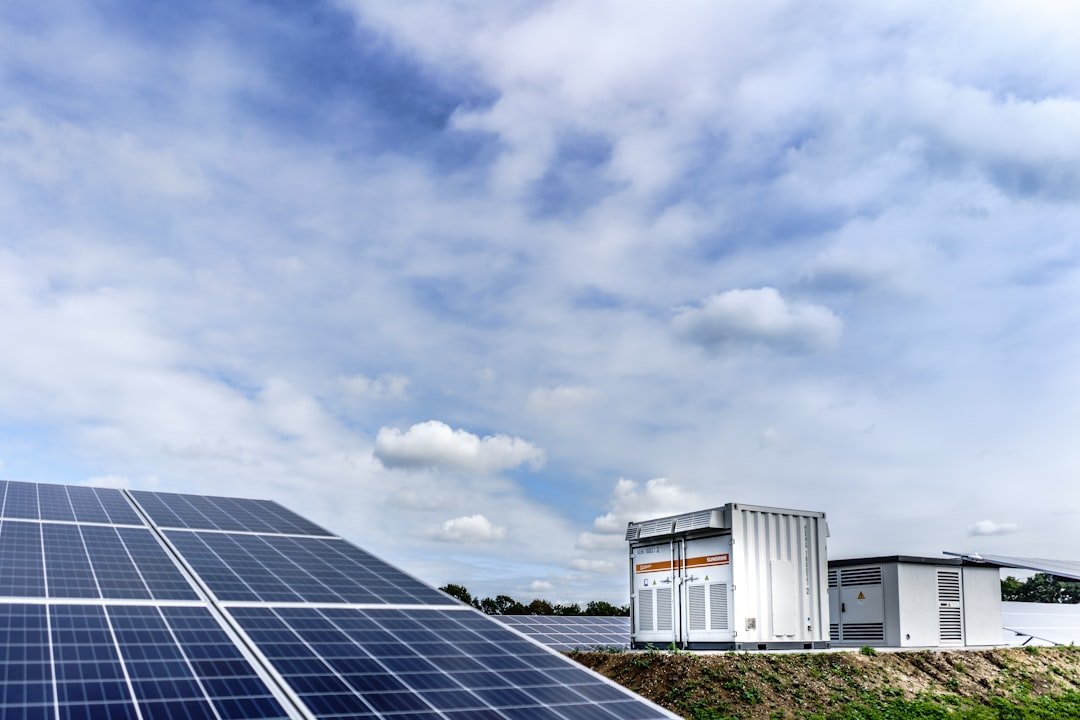
Featured image: Representative solar installation, not Tesla’s Brookshire factory. Photo: Sungrow EMEA / Unsplash.
The Tesla Megapack 3 factory in Brookshire, Texas, is building something with no steering wheel, passenger cabin or wheels. Its batteries are intended to help power the places where cars, homes and businesses get their electricity.
On 6 August 2026, Tesla announced that Megapack 3 units were rolling off the line at the facility. It described a designed annual manufacturing capacity of 50 gigawatt-hours. Brookshire’s economic development organisation also confirmed that the project had moved into production. Tesla’s production announcement, Brookshire EDC update
Production beginning is an important milestone. It is different from proving that a factory has reached its intended annual output.
A factory number that needs careful reading
Gigawatt-hours measure an amount of energy. In this context, 50GWh per year describes the combined storage capacity of the batteries the factory is designed to manufacture annually. It is not a 50-gigawatt power station, and the factory is not generating that amount of electricity for customers.
The distinction matters because manufacturing capacity, battery storage capacity and electricity output are often compressed into one impressive-looking number. They answer different questions: how much equipment can be built, how much energy it can hold, and how quickly that energy can be delivered.
Tesla’s existing energy business gives the expansion some context. Its second-quarter 2026 update reported 13.5GWh of energy-storage deployments, up 41% from a year earlier. That figure covers the company’s storage deployments overall; it is not a measure of Megapack 3 production in Texas. Tesla’s Q2 2026 filing
The useful trick is moving electricity through time
A grid battery stores electricity when it is available and returns it later. That can help shift solar generation into evening demand or give a network another resource when conditions change.
It does not create energy. A storage project’s value depends on when it charges, when it discharges and the network it serves. More storage can be useful without making a grid immune to every interruption or solving shortages lasting far beyond a battery’s discharge duration.
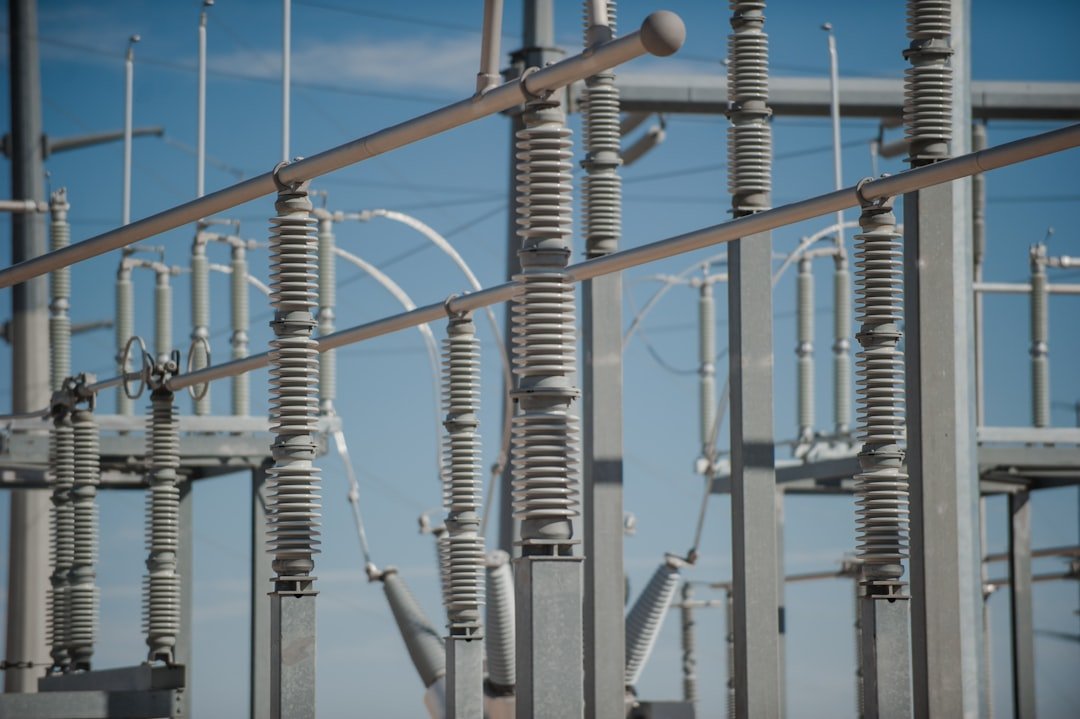
A forthcoming Belgian project illustrates the physical work behind that idea. In May, engineering company SPIE said Tesla had selected it to install and connect 180 Megapack 3 systems for a battery park in Kluisbergen, developed by Storm. The job includes a high-voltage substation and connection to the transmission network. SPIE’s project announcement
Shipping the battery is only part of the job
SPIE’s announced schedule puts installation work in November 2026 and testing and commissioning through the end of 2027. Those are project plans, not evidence of an operating battery park today. SPIE’s construction timetable
That gap between manufacturing and operation is the less glamorous part of the energy transition. Containers must become a functioning electrical installation. Equipment has to be connected, controls checked and the complete system tested before it can perform its intended role.
For Tesla, the commercial challenge is consequently broader than increasing factory output. A growing pipeline must turn into commissioned projects whose performance satisfies customers over time. For electricity users, a manufacturing announcement alone does not promise a lower bill; the outcome depends on how storage is deployed and how the local market works.
The Texas production start makes Tesla’s next storage expansion more tangible. The most revealing follow-up will be the number of systems working on real grids, moving electricity from the hours it is plentiful to the hours people need it.
Related reading: How radiative cooling can reduce the heat buildings absorb.
Leave a Reply