
The story of water on Mars is becoming less like a single lost ocean and more like a complicated geological biography. Different waters arrived, altered the rocks and left signatures that survived long after the landscape dried.
A study published on 21 September 2026 in Communications Earth & Environment reconstructs at least three episodes of water-related alteration in Jezero Crater’s Margin Unit. The evidence comes from NASA’s Perseverance rover. It is a finding about ancient environments, not a detection of Martian life. The peer-reviewed paper presents the analysis.
The rocks were not quite what scientists expected
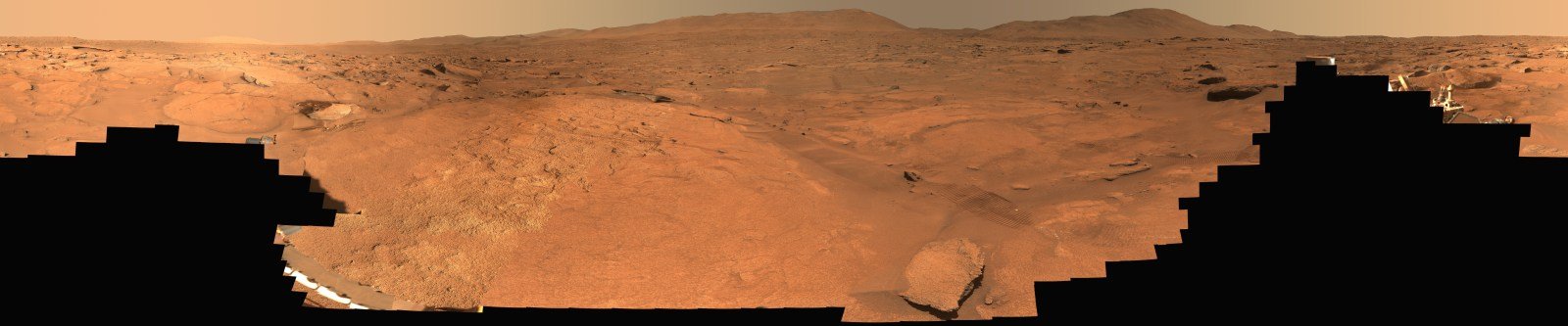
The Margin Unit lies beside the shoreline of an ancient lake. Orbital observations showed carbonate minerals, making the area an attractive place to investigate water history and possible preservation of evidence related to habitability.
When Perseverance arrived in 2023, scientists found important evidence of igneous rocks, formed from molten material, rather than simply the sedimentary layers they had anticipated. According to NASA, those rocks nevertheless preserve a rich record of later interaction with water. NASA’s account explains the surprise.
The paper describes an initial phase of carbon-dioxide-rich fluids associated with carbonate formation. Another phase changed carbonate and deposited silica, potentially involving lake water or evolving groundwater. A later episode left calcium-sulfate and fluorite-bearing mineral veins, interpreted as evidence of hydrothermal activity: water circulating with heat.
A chemical investigation from another planet
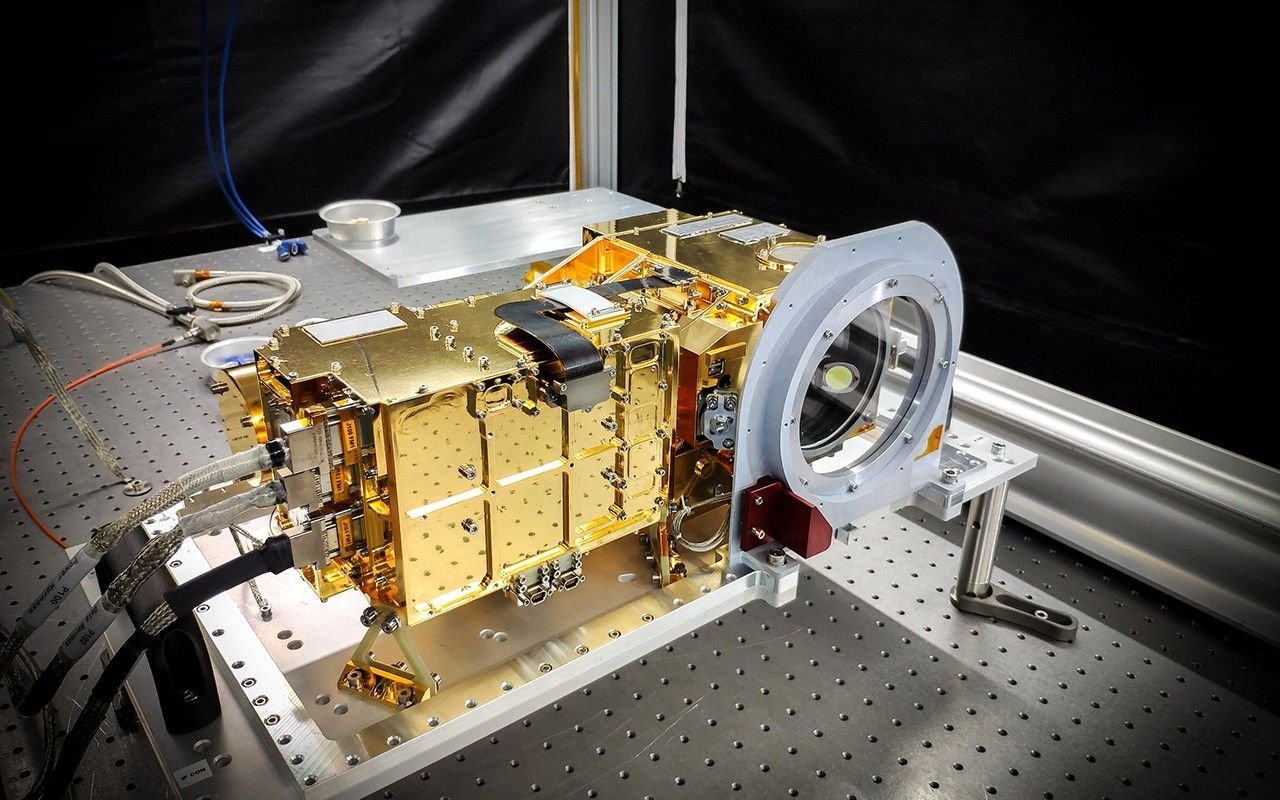
Perseverance’s SuperCam instrument combines imaging and spectroscopy to investigate rock composition. Spectroscopy examines light to identify chemical and mineral information. One technique uses a laser to create a tiny plasma at a target and then reads the light it produces.
The study draws on measurements of more than 185 bedrock targets. Those observations help connect local details with the wider landscape instead of relying on the appearance of one especially photogenic rock. NASA’s instrument guide explains the rover’s different analytical tools.
A timeline without all the dates
Different minerals and cross-cutting structures can help researchers reconstruct which event happened before another. They do not automatically provide a precise date for every episode or reveal how long each lasted. NASA notes that the sequence can be inferred more confidently than the ages of the water interactions.
That distinction matters when discussing habitability. Repeated water activity makes the area scientifically interesting, but it does not by itself show that conditions remained suitable continuously, or that organisms ever occupied them.
Think of the rocks as a document revised several times. A later revision can preserve part of an earlier passage, remove another part and add fresh information. Reading the final document requires separating those contributions rather than assuming everything happened together.
For future exploration, the lesson is that location and geological context matter as much as finding an intriguing chemical ingredient. Alongside practical research into making oxygen on Mars, robotic science is establishing what kind of world explorers would actually be visiting.
Jezero’s rocks are making that world more detailed. Water was part of the story more than once, and each episode left a different clue.
Featured image: Perseverance panorama of the Margin Unit in Jezero Crater, captured in October 2023. Credit: NASA/JPL-Caltech/MSSS.
Leave a Reply