
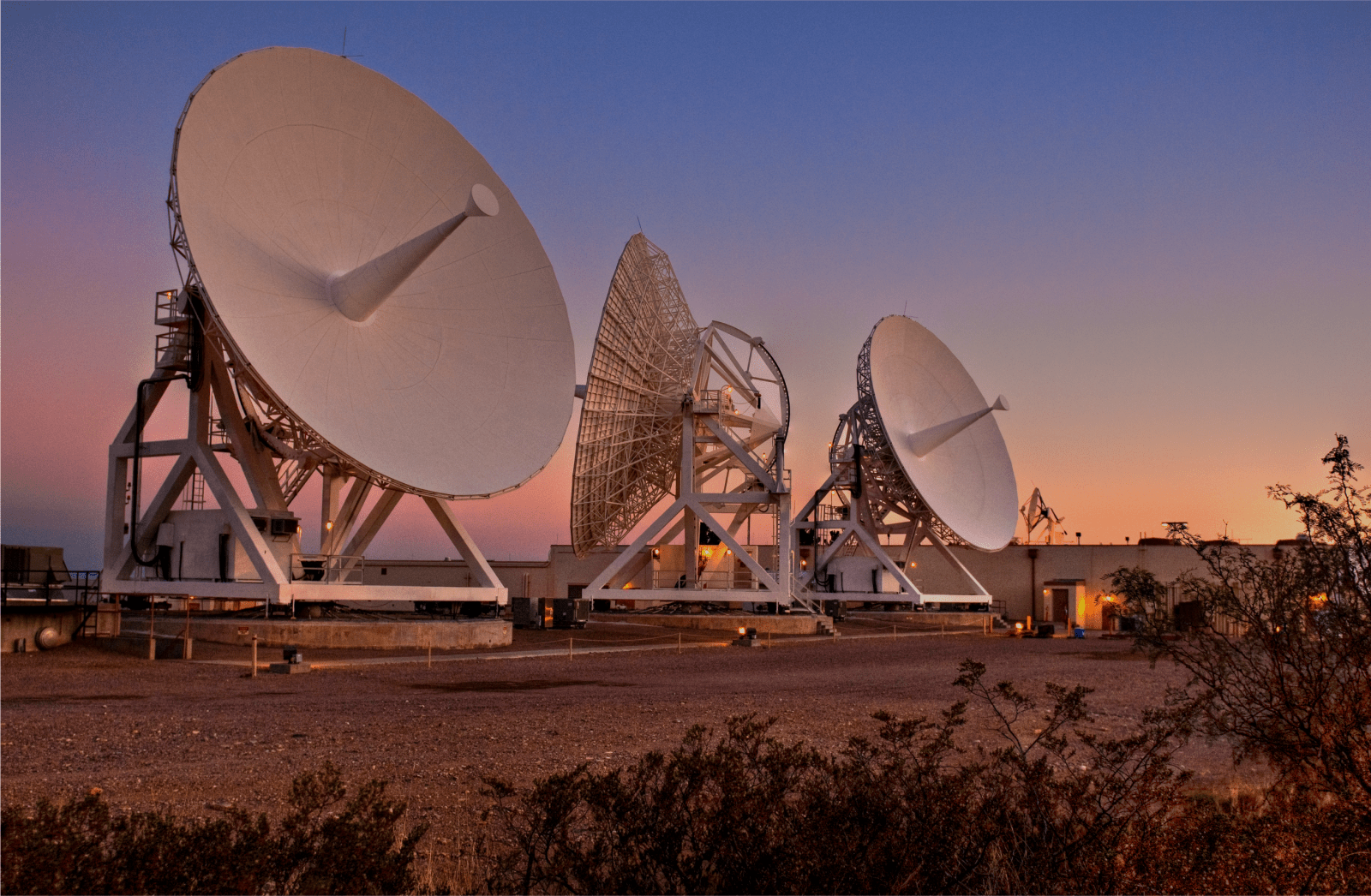
The next great astronomical survey needs a reliable way to get its observations home. Roman telescope data will pass through a network that includes Western Australia, where a station near New Norcia has now completed a key communications test.
In a 25 September update, NASA confirmed that the ground stations supporting the Nancy Grace Roman Space Telescope were ready for its planned science data flow. The agency expects science operations to begin by early 2027.
The expected volume is approximately 1.4 terabytes each day. NASA says the links can operate at rates up to 500 megabits per second. One figure describes the daily quantity; the other describes transmission speed. They should not be treated as interchangeable measures.
New Norcia passed its part of the test
NASA reports that engineers tested ESA’s station near New Norcia on 17 September, successfully receiving data at the highest tested rate. Earlier checks covered JAXA’s Misasa station in Japan and the Near Space Network antennas at White Sands in New Mexico.
The commissioning tests used operational information, including spacecraft health data and preliminary image data. They establish communications capability while the wider mission continues its preparations. They are not an announcement that the full scientific survey has begun.
The antenna is a lightweight bridge across space
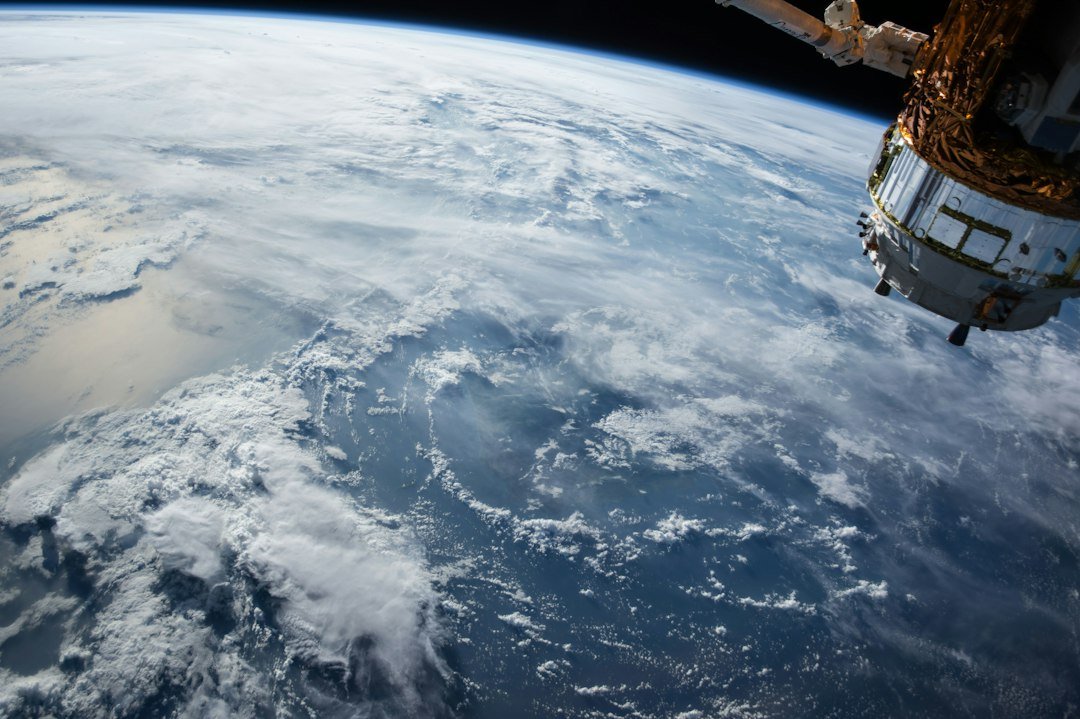
NASA’s 1 September deployment report describes Roman’s high-gain antenna as about 1.7 metres wide and roughly 11 kilograms in mass. Its carbon-composite structure must cope with changing temperatures while maintaining communications across an enormous distance.
The dual-band system separates the functions of commanding and monitoring the observatory from sending its much larger science output. That division illustrates how a space mission has to support both the instrument’s discoveries and the practical business of keeping the spacecraft operating.
There is an important distinction between receiving a signal and delivering a dependable stream of usable data. Our reading of this milestone is that the ground network is becoming a demonstrated part of the instrument’s overall capability, even though it stays on Earth.
A telescope’s reach includes its ground infrastructure
NASA’s 15 September instrument update reported activation of the Wide Field Instrument and ongoing checks of the Coronagraph Instrument. The agency explained that early test imagery belongs to the calibration process, with sharper science imagery expected later.
For readers, that sequence offers a useful way to follow progress. An antenna deployment, a successful downlink and a calibrated instrument each answer a different engineering question. None should be mistaken for completion of all the others.
The broader lesson is easy to overlook when a spectacular image finally appears. Discovery depends on the entire route from a detector to an archive that researchers can use. A weakness anywhere along that route can reduce the value of otherwise excellent hardware.
For Western Australia, New Norcia’s role puts local ground infrastructure inside that global chain. The most eye-catching part of Roman’s work will happen far away. One of the places helping turn it into accessible scientific data is here on Earth, within reach of Perth.
Related reading: Roman’s attempt to reveal planets hidden in starlight.
Sources
- NASA: ground stations confirmed, 25 September 2026
- NASA: antenna deployment, 1 September 2026
- NASA: instrument activation, 15 September 2026
Featured image: White Sands, New Mexico: one of the ground-station locations supporting Roman, alongside Japan and Western Australia. Photo: NASA. Credit: NASA.
Leave a Reply