
A solar panel does not work in a laboratory forever. It has to survive the weather, fit the project around it and produce electricity that is useful at the site where it is installed.
That practical problem sits behind an Australian research programme exploring solar modules tailored to their location. It forms part of ARENA’s funding announcement of 31 August 2026: up to A$105.6 million for 20 projects across solar cells, modules, construction and operations. This is an examination of that existing research investment, rather than a new announcement this week. ARENA’s funding release
Designing for the whole solar farm
UNSW’s site-tailored module project will model local weather, electricity-market conditions and different system arrangements. It will investigate changes such as glass thickness, coatings and cell design, then build and test prototypes at Wirraway Research Farm and partner sites. Project description

The project’s stated target is at least a 1% improvement in solar-farm net present value or a 1% reduction in system-level levelised energy cost. Those are research objectives, not savings already achieved. The listed project period extends from August 2026 to July 2031.
Small gains can change a large project
Our interpretation is that this work asks a useful commercial question: when is a standard panel design leaving value on the table?
Imagine two otherwise similar solar farms with different exposure to severe weather. A design change might add cost at one site while avoiding enough damage or lost production to be worthwhile at the other. The answer depends on the whole installation and its lifetime, rather than the purchase price of a panel alone.
Customisation also brings a trade-off. More variants can complicate manufacturing, spare parts and certification. A successful approach would have to demonstrate that the local benefit survives those extra costs.
UNSW says its wider share of the funding covers 12 projects worth A$64.8 million, spanning durability, efficiency, materials and monitoring. This gives the site-specific work a broader context: cheaper solar may require progress in several less-visible parts of the system. UNSW’s programme overview
For electricity users, a research grant is not an immediate bill reduction. The evidence to watch is field performance, manufacturability and adoption in commercial projects. Panels designed around the conditions they actually face could become one practical route towards lower-cost power.
Sources
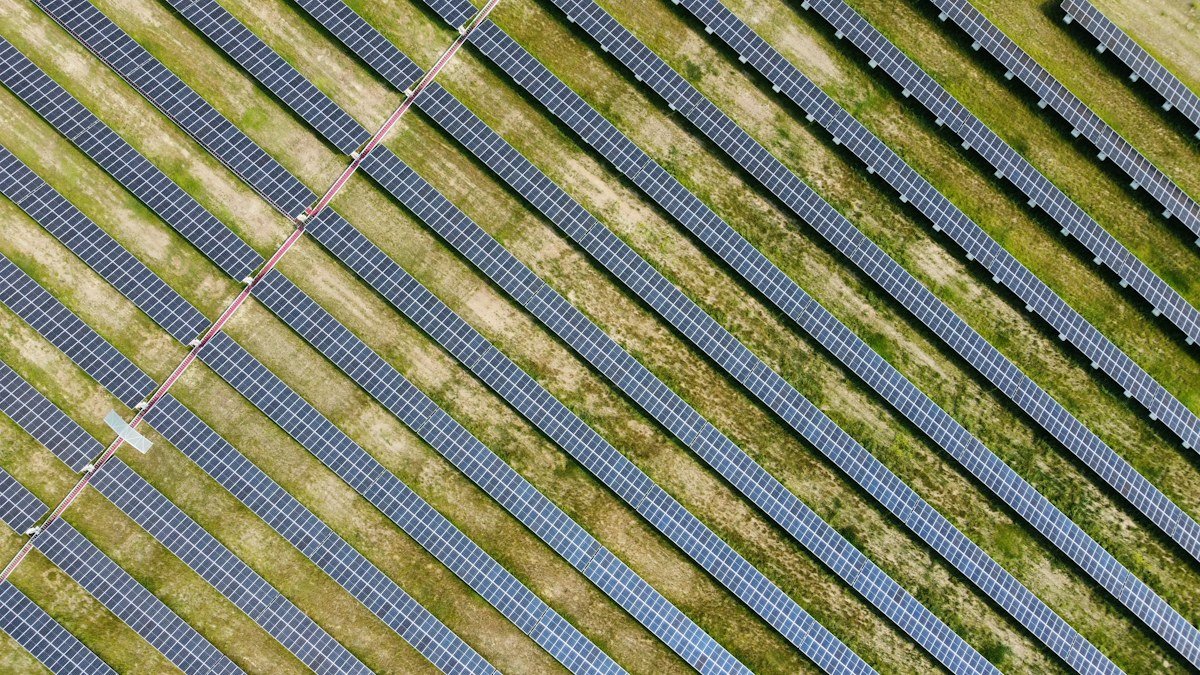
Featured image: Solar installation in Alberta, Canada, illustrating utility-scale panels; not a UNSW test site. Credit: Daniel Miksha.
Leave a Reply