
The race to attract AI infrastructure is putting an old Australian energy argument into a new setting. Data centres need electricity, but a promise of digital growth does not settle which technologies should supply it.
On 1 October 2026, the Courier-Mail reported that Queensland Treasurer and Energy Minister David Janetzki had rejected nuclear reactors as a route to powering regional data centres. His National Press Club appearance was on 30 September. The reported position reinforces the state’s existing energy approach; it is not an announcement of a newly operating power project.
The policy already has a legal boundary
Queensland’s current Nuclear Facilities Prohibition Act 2007 prohibits construction and operation of specified nuclear facilities and prevents an electricity generating authority from authorising grid-connected nuclear generation. The legislation includes limited exceptions; it is not a blanket prohibition on every medical or research use of radioactive material.
A proposal for nuclear-powered data centres therefore encounters an existing legal barrier as well as questions about planning, finance and construction. Repealing a prohibition would change the rules, but would not itself deliver electricity.
The roadmap leaves coal’s end date open
The state’s Energy Roadmap, updated on 25 June 2026, says coal will remain in operation for as long as the system needs it and the market supports it. It also identifies gas as important for reliability, alongside storage, transmission and further renewable generation.
The roadmap describes an A$1.8 billion maintenance guarantee and A$400 million for supply and firming projects. Those are policy commitments; they are not proof that every required asset has been completed or that consumers will receive a particular bill reduction.
“Firming” means supporting electricity supply when variable generators, such as wind and solar, are producing less. It can involve storage or dispatchable generation that can respond when needed. The relevant comparison is between whole systems and their delivery schedules, rather than the name of one technology.
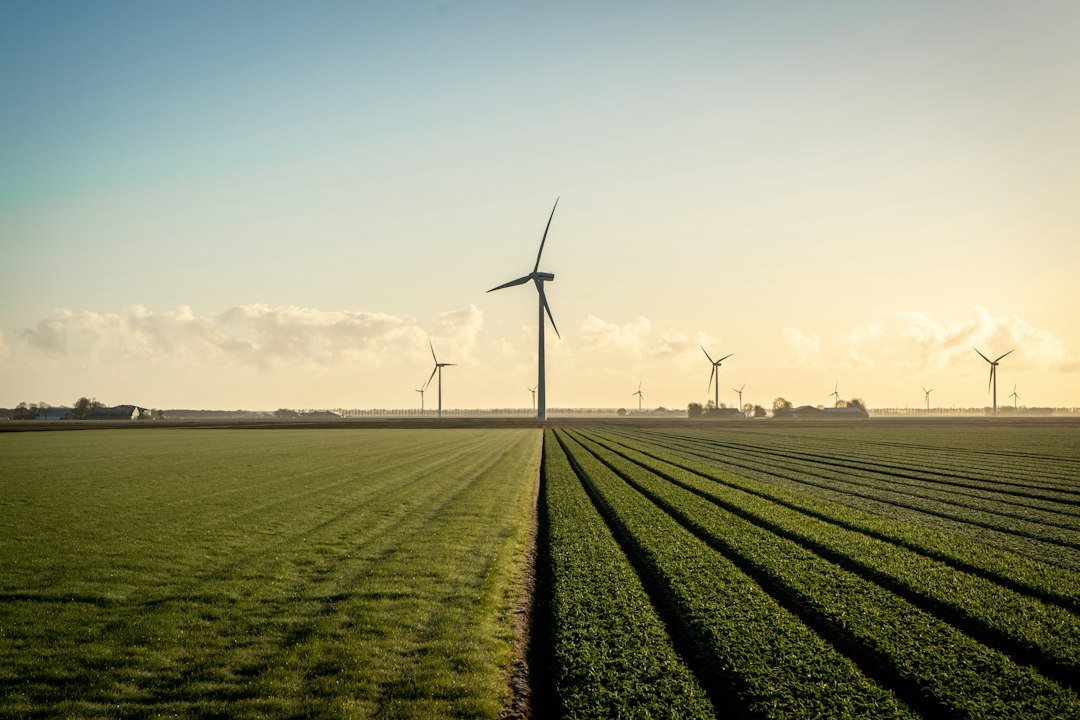
The roadmap’s coal chapter presents maintenance of the existing fleet as part of continuity of supply. Its renewables chapter anticipates additional wind and solar, showing that the policy combines technologies rather than abandoning renewable generation.
The controversy is the sequence of choices
Maintaining existing generation can be defended as a way to manage a transition without assuming replacement projects arrive on time. The opposing concern is that an open-ended role for coal can weaken the pressure to complete cleaner replacements.
Nuclear advocates can argue for reopening the option. But an option, a licensed project and an operating reactor are three different milestones. The same discipline applies to announced batteries, gas plants and renewable developments.
Our assessment is that the AI label should not lower the standard of proof for any of them. Projected demand needs to be matched to credible construction schedules, network capacity and evidence about costs and emissions.
Queensland has drawn a clear political line on nuclear. Its harder test is demonstrating that the system it has chosen can serve new demand while making the trade-offs visible.
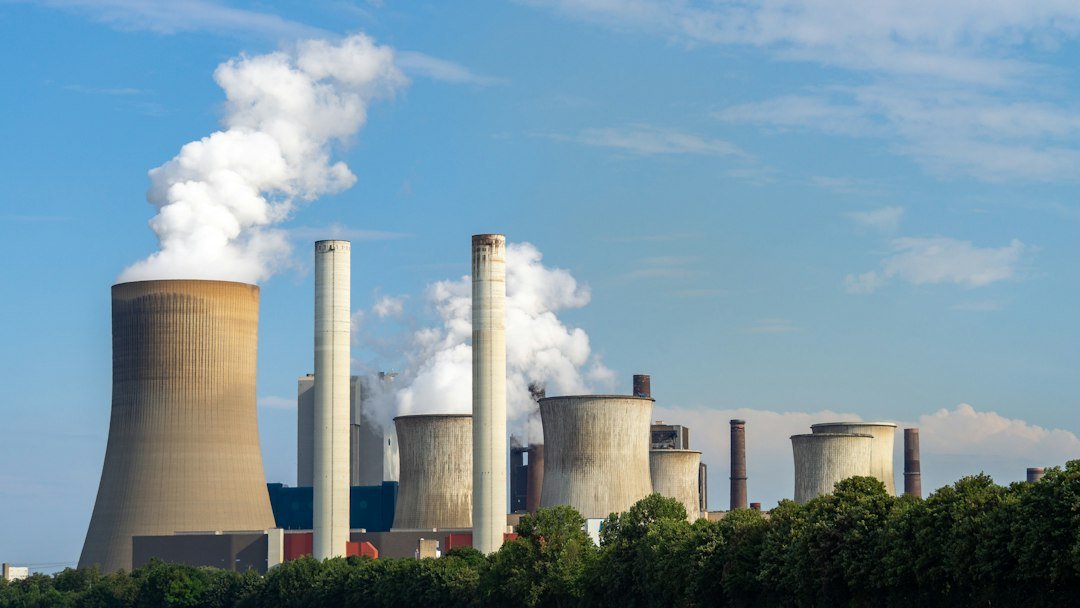
Featured image: A power plant in Niederaußem, Germany. Representative energy infrastructure; this is not a Queensland facility. Photo: Wim van ‘t Einde / Unsplash.
Leave a Reply