
Google’s newest power project has no turbine hall, smokestack or single site. It is a contract to coordinate thousands of smaller energy assets so they can behave like one large grid resource.
On 22 October 2026, Google and Voltus announced an expanded “Bring Your Own Capacity” agreement in PJM, the regional electricity market serving about 67 million people across 13 US states and Washington, DC. The companies say the additional 1,070 megawatts of flexible capacity expands an initial 100 MW agreement roughly tenfold and creates one of the largest known distributed-capacity portfolios funded by a hyperscaler.
A virtual plant coordinates rather than generates
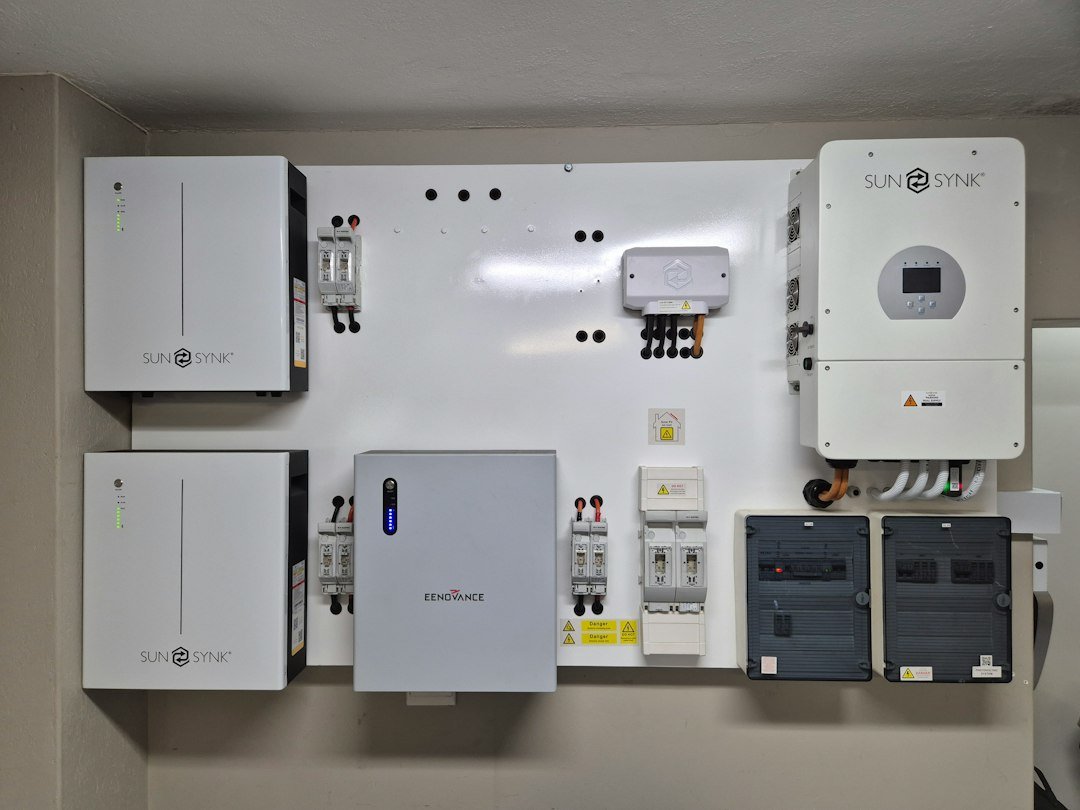
A virtual power plant, or VPP, is software and market infrastructure that aggregates distributed energy resources. Those resources can include batteries, smart thermostats, electric vehicles, backup generators and industrial processes that can safely shift or reduce electricity use.
When PJM is under stress, Voltus can signal participating sites to discharge batteries or temporarily cut demand. The combined response can free capacity much like a conventional peaking plant would add supply. Participants receive payments or bill savings for making their flexibility available.
This distinction matters. The agreement is not a 1 GW solar or gas plant, and it does not create 1 GW of continuous generation. It procures the ability to change electricity consumption or use distributed assets at particular times under market rules.
Why a data-centre company is paying
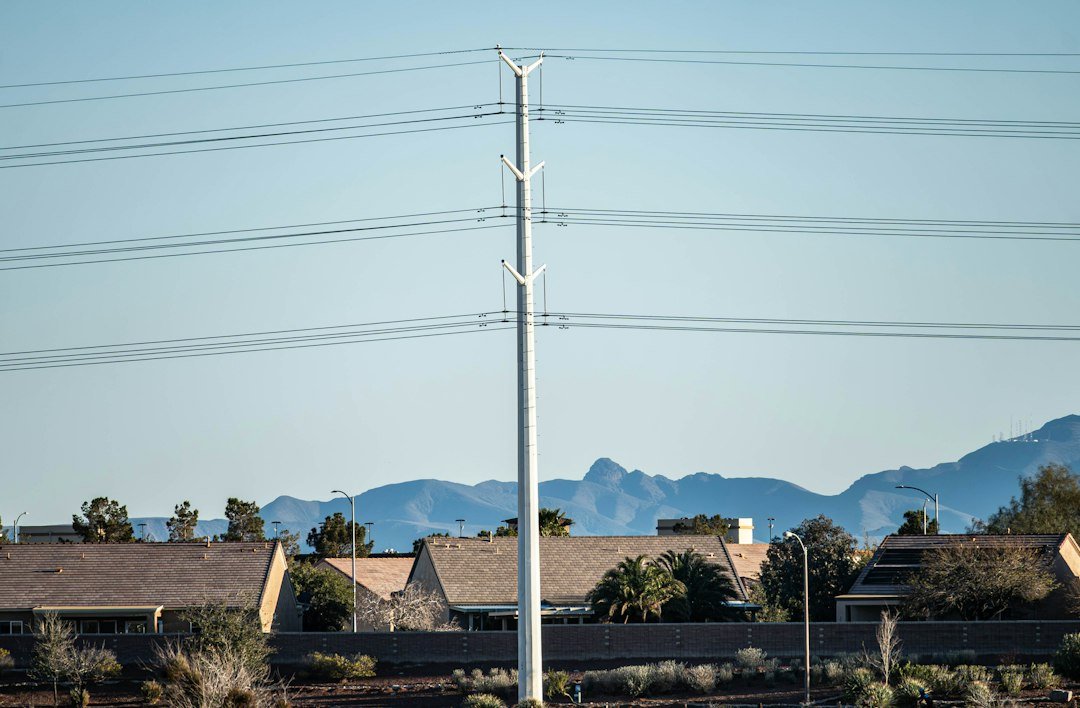
Large technology companies are adding data-centre demand faster than many grids can build generation and transmission. Google’s model is to help bring capacity to the same region in which it is increasing load. In its own announcement, the company framed the VPP as support for regional reliability and affordability.
The arrangement can also direct some of the money associated with data-centre growth to households and businesses that provide flexibility. Unlike a new central power station, distributed resources may already exist or can be installed in smaller increments.
The approach is potentially faster, but not frictionless. Resources must be recruited, connected, measured and accredited under PJM’s capacity rules. Operators need to prove that promised reductions appear when the grid calls on them. A portfolio’s nameplate total is therefore not the same thing as verified performance during a heat wave or winter emergency.
The accounting is part of the infrastructure
Unlike a generator with a meter at one fence line, a VPP has to establish what thousands of customers would have consumed without a dispatch. That counterfactual baseline determines how much demand reduction gets credited and paid. Forecasting errors, customers changing their normal behaviour and devices dropping offline can all distort the number.
Aggregation helps by spreading risk across many sites, while telemetry lets operators check performance in near real time. Even so, regulators need transparent measurement rules so a virtual megawatt is dependable enough to plan around. The software layer is therefore not merely an app placed on top of the grid; it is part of the reliability system.
A commercial commitment, not an operating result
This is a company announcement about an expanded agreement. It does not yet provide a final participant count, a complete delivery timetable, dispatch records or audited consumer savings. Independent reporting from Utility Dive notes that demand-response revenue in PJM has risen sharply, but future market revenue can change with regulation and auction prices.
VPPs also cannot replace every grid investment. Long-duration shortages still require adequate generation, storage, fuel and transmission. Some participating assets may rely on fossil-fuel backup generators, so the emissions profile depends on what the portfolio actually dispatches.
Even with those caveats, the scale is significant. If Voltus delivers the contracted flexibility, Google will have demonstrated a different way for hyperscalers to respond to their power demand: not only competing for scarce electricity, but paying many smaller users to make the system more flexible.
Leave a Reply