
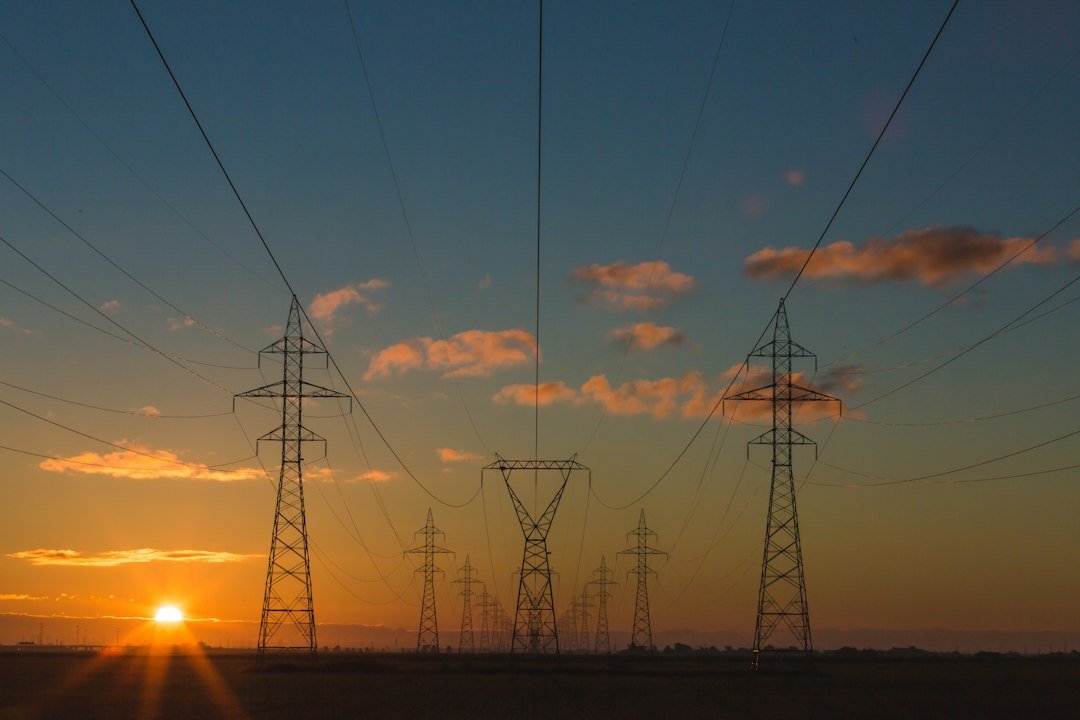
The world is installing renewable generation at record speed, but solar panels and wind turbines are no longer the whole story. The International Renewable Energy Agency’s 2026 World Energy Transitions Outlook argues that electricity networks, storage, flexibility and efficient end uses must now expand together—or generation will outrun the system built to use it.
The report describes a 1.5°C-compatible scenario, not a forecast. Its figures show what IRENA calculates would be required to align the energy system with that temperature goal. They do not promise that governments, companies or consumers will deliver it.
Electrification becomes the organising idea
In IRENA’s pathway, electricity grows from about 23% of global final energy consumption today to 35% by 2035 and more than half by 2050. That means far more electric vehicles, heat pumps and electrically powered industrial processes, alongside clean electricity production.
The 2026 Outlook positions electrification and energy efficiency as twin demand-side drivers. Renewables, clean hydrogen and sustainable biomass supply the energy, while grids, storage and other flexible resources keep supply and demand balanced across locations and time.
The capacity numbers are enormous
Global renewable power capacity rises in the scenario from roughly 5.2 terawatts today to about 18.4 TW in 2035 and 38.2 TW by 2050. Wind and solar would provide more than 80% of electricity by mid-century. The investment and expenditure requirement across the transition is estimated at more than US$256 trillion from 2026 to 2050, averaging about US$10.3 trillion a year.
Those totals include much more than power plants. They span grids, storage, energy efficiency, electrified transport and buildings, clean fuels and enabling infrastructure. Treating the number as a bill for solar modules would badly misread the exercise.
IRENA’s separate progress tracker for the COP28 goals says tripling renewable capacity to 11.2 TW by 2030 requires average net additions of about 1,122 GW each year from 2025 to 2030. The tracking report says recent growth has narrowed the capacity gap, but infrastructure and end-use electrification still need to accelerate.
Why the grid moves to centre stage
Generation can be built faster than high-voltage lines in many markets. New projects then wait in connection queues, face curtailment or operate below their potential because power cannot move to customers. Distribution networks also need reinforcement when millions of vehicles, heaters and small generators connect at the edge.
Storage shifts energy between hours, while demand response changes when electricity is consumed. Better forecasting, interconnection and market rules can extract more capacity from existing assets. None is a substitute for new wires everywhere, but together they reduce how much generation sits stranded.
Scenario economics are not project economics
IRENA estimates that a transition aligned with its pathway could raise average global GDP by around 1.1% relative to current plans and produce cumulative gains by 2050. These are modelled system-wide outcomes. They do not mean every technology, country or individual project will be profitable.
Likewise, the 1.5°C label depends on assumptions about deployment, policy, finance, technology cost and behaviour over decades. A scenario is a structured “what would it take?” calculation. Its most useful conclusion is operational rather than predictive: generation, networks and demand must be planned as one system.
The 2026 report therefore reframes the transition’s next phase. The headline race is no longer only how many gigawatts of renewable power can be installed. It is whether grids, storage, flexible demand and electrified equipment can grow quickly enough to make those gigawatts useful. Because countries begin with different resources, incomes and network conditions, the report stresses that the shared destination does not imply one identical national route.
Leave a Reply