

European Union flags outside the European Commission’s Berlaymont building. Credit: Guillaume Périgois / Unsplash.
An AI subscription looks like a convenient service until a critical part of your organisation depends on somebody else’s decisions.
That is the tension behind a warning delivered by European Central Bank President Christine Lagarde in Vienna on 14 September 2026. Her speech argued that dependence on foreign AI technology creates strategic vulnerabilities and that Europe needs stronger capabilities of its own. This was a policy argument about risk, not an announcement that access to overseas AI services had been cut off. Lagarde’s speech
The subject is often called AI sovereignty. In everyday terms, it concerns who controls the systems an organisation relies on, where its data is handled and how much freedom it has to change suppliers.
Our view is that the strongest version of this argument is about preserving choices. A country does not need to invent every component to recognise the risk of having no practical alternative.
Buying access and building capability are different decisions
The European Commission’s proposed Cloud and AI Development Act addresses infrastructure capacity, research and technological autonomy. Its proposed sovereignty framework distinguishes between matters such as locating data in the EU, independence from third-country control and transparency over software supply chains. The Commission presents it as a proposal; those provisions should not be described as fully implemented requirements. European Commission proposal overview
The distinction between a server’s address and control of the service is particularly important. A computer can be physically nearby while key business decisions remain elsewhere. The Commission’s framework treats these as separate dimensions.
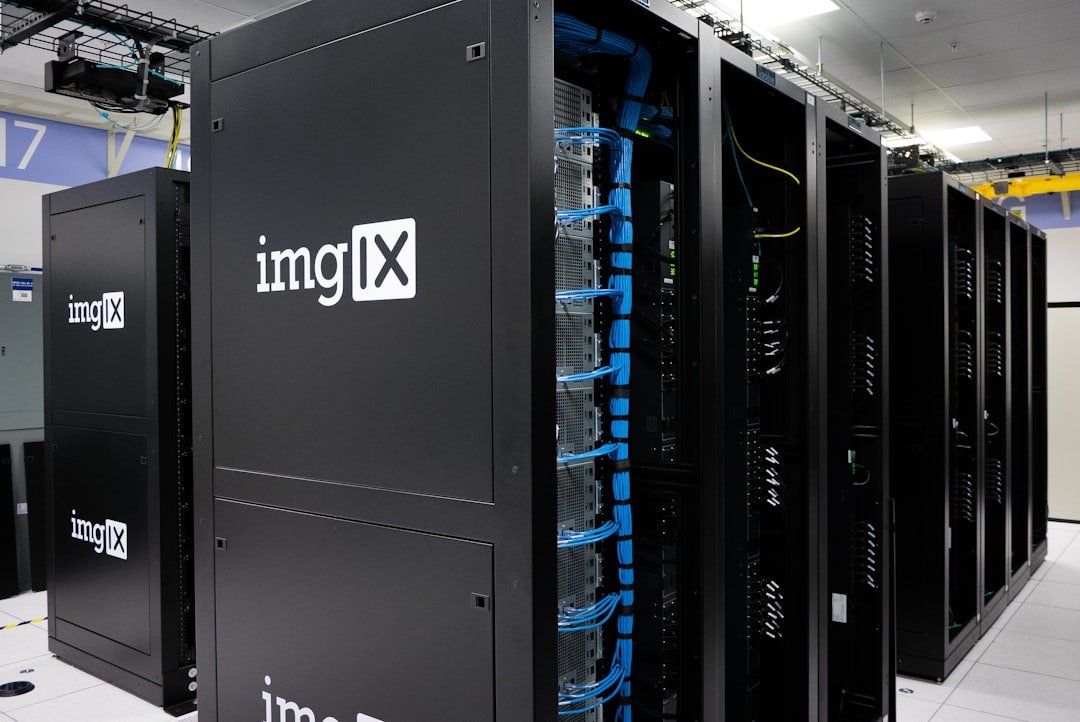
It also identifies practical obstacles to expanding European infrastructure, including access to energy, land and finance, alongside slow permitting. Independence cannot be created by a slogan if the necessary facilities cannot be built. Commission’s infrastructure assessment
There is a programme behind the ambition. In an update dated 12 August, the Commission described 19 AI Factories and 13 associated Antennas being set up. These initiatives bring together computing resources, expertise and access for users including researchers and smaller businesses. “Being set up” is the relevant wording: it does not establish that every centre is already fully operational. European AI Factories programme
The strongest alternative must be useful
Lagarde’s argument includes domestic computing capacity, suitable open models and Europe’s role in critical technology supply chains. It points towards reducing dependence while retaining relationships with other economies. ECB speech
The difficult part is deciding which capabilities genuinely need local control. Rebuilding every available service could absorb resources without producing a better tool. Depending on a single provider for an essential function creates a different vulnerability. Neither problem disappears by choosing a patriotic label.
A useful practical test is portability. Imagine an organisation that has built years of processes around one AI service. If it needed to switch, could it retain its data, reproduce essential functions and retrain staff without bringing work to a halt? That is an illustrative scenario, not a claim about any particular provider.
For FutureTechDose readers, it connects to the broader consequences of AI becoming embedded in everyday work. The more essential the tools become, the more consequential the terms of access become.
Europe’s challenge is to make its alternatives capable enough that people choose them and robust enough that they remain available when needed. Announcing more infrastructure is a beginning. Dependable services, usable software and credible supplier choices will determine how much independence that spending actually buys.
Leave a Reply