
An AI assistant can write its answer in seconds and still leave you waiting while it searches files, runs software and checks its work. Those extra steps are turning the processor behind the scenes into a much more interesting part of the AI race.
AMD Venice CPUs entered that discussion in an 18 September update on the company’s sixth-generation EPYC server processors. The company says Venice is in production, with major server platforms approaching launch and leading cloud providers due to begin deployment later this year. That is a production update; it does not mean every proposed system is already available to customers. AMD’s announcement
The attraction is easy to understand: an AI agent has to complete a job, including all the ordinary computing that surrounds the model.
The work AMD Venice CPUs need to handle
A GPU is well suited to the calculations inside a large AI model. A CPU handles a wider variety of tasks, including coordinating software, executing tools and managing isolated environments where generated code can run.
Nvidia itself describes this split in its technical discussion of the Vera CPU. It argues that agent workloads combine long chains of dependent steps with occasional bursts of parallel activity. Finishing several tasks at once helps, but an agent may still have to wait for one crucial result before it can continue. Nvidia’s explanation of agent workloads
Consider a hypothetical assistant asked to analyse a company’s sales. It might retrieve records, run a calculation, discover an inconsistency and repeat part of the analysis. A faster language model would improve only some of that journey. Slow data access or code execution could still dominate the experience.
This is why the CPU argument matters beyond server specifications. The user experiences the time needed to finish the task.
Two companies, different answers
AMD’s strategy emphasises a portfolio of processors for different jobs, including a 256-core flagship. Its announcement presents performance comparisons against Nvidia and Intel, but the footnotes distinguish internal testing from preliminary engineering estimates. Those qualifications are essential when interpreting the headline numbers. AMD’s results and methodology notes
Nvidia takes a different position: unpredictable agent workloads favour a balanced CPU design that can handle both sequential work and parallel bursts. Both companies are making a commercial case for their own architecture. Neither argument alone settles which machine will complete a particular customer’s workload most efficiently. Nvidia’s technical case
The benchmark that matters to the customer
Processor tests are useful reference points, provided the measured workload matches the intended use. SPEC, the benchmarking organisation, explains that CPU benchmark results reflect the processor, memory and compiler together. It also cautions that a standard benchmark cannot replace testing a buyer’s actual application. SPEC’s benchmarking guidance
For AI agents, a useful independent comparison would measure completed tasks, their correctness, elapsed time and total system energy under comparable conditions. Software compatibility and the cost of moving an existing service would also affect a deployment decision. These are evaluation criteria, not results established by AMD’s announcement.
AMD is already challenging Nvidia at another layer through ROCm and AI-assisted software development. Venice adds a hardware argument around the work those systems must execute.
The next revealing evidence will come from complete systems running representative jobs. A winning CPU would make the whole agent useful sooner, rather than merely making one benchmark finish faster.
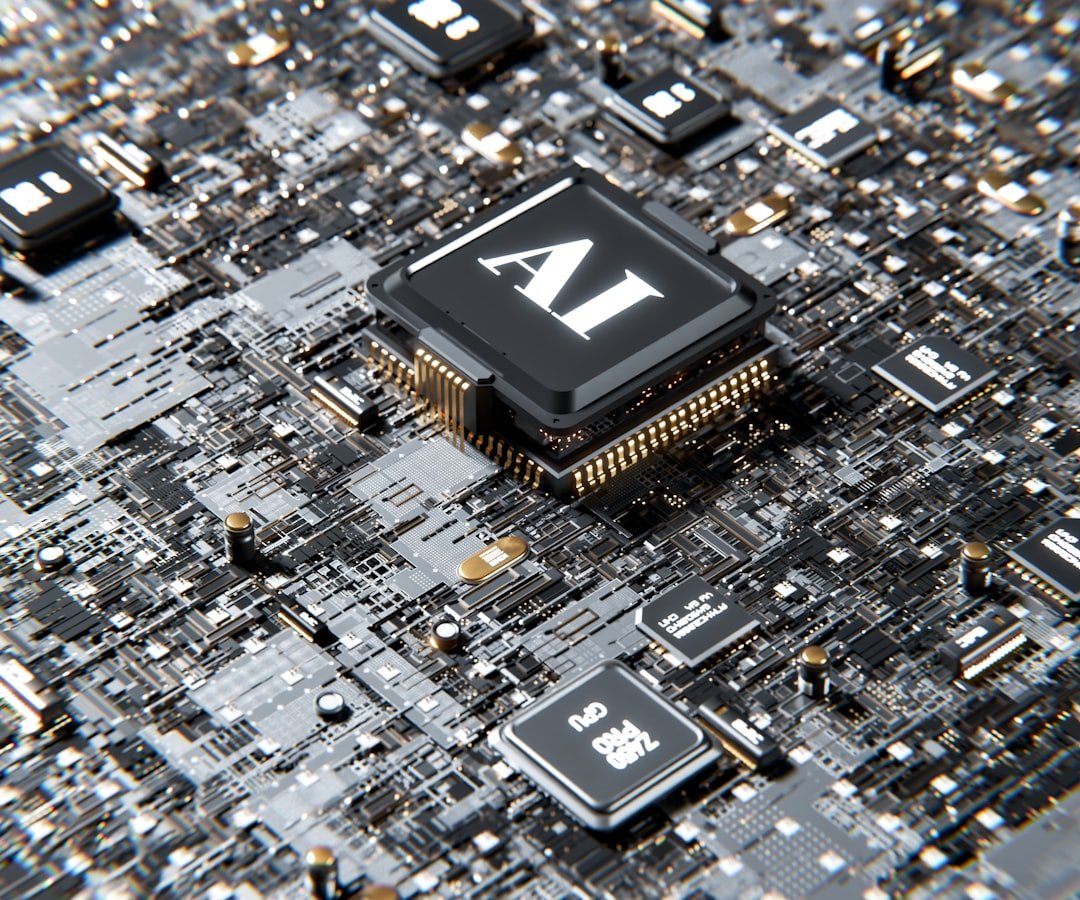
Featured image: Processor concept illustration; not an AMD Venice or Nvidia Vera product photograph. Image: Igor Omilaev / Unsplash.
Leave a Reply