
A rocket capable of reaching Mars is only part of a return journey. Something must also supply what a spacecraft needs to leave again.
That is why a small reactor in an Earth laboratory belongs in the story of future Mars exploration. In a research profile published on 18 September 2026, MIT described work by doctoral researcher Lanie McKinney on using cold plasma to split carbon dioxide and produce oxygen. The effort is laboratory research, not an oxygen factory ready for shipment to Mars. MIT’s account of the research
The attraction is the feedstock. Mars has a very thin atmosphere made mainly of carbon dioxide, with nitrogen and argon also present. It is hostile air for humans, but it contains material a suitable chemical process can use. NASA’s Mars facts
Making oxygen is not the same as collecting it
Plasma is an electrically energised gas containing charged particles. In this work, it helps break apart carbon dioxide. The intended products include oxygen and carbon monoxide, but the separated components can recombine.
McKinney’s research is exploring how to combine the reactor with an oxygen-selective membrane, which would help remove oxygen from the mixture. Integrating that membrane into the reactive environment remains an engineering challenge. MIT’s profile does not establish the performance of a completed Mars-ready system. MIT
The distinction is familiar from other technologies: showing that a useful reaction can happen is different from building equipment that delivers the useful product continuously, efficiently and for long enough to justify its mass and complexity.
For a Mars mission, the meaningful measure would be oxygen that reaches storage at the required purity, relative to the energy and machinery needed to obtain it. A bright plasma inside a reactor is an intermediate step, not the final product a crew would depend on.
NASA has already tested the underlying idea on Mars
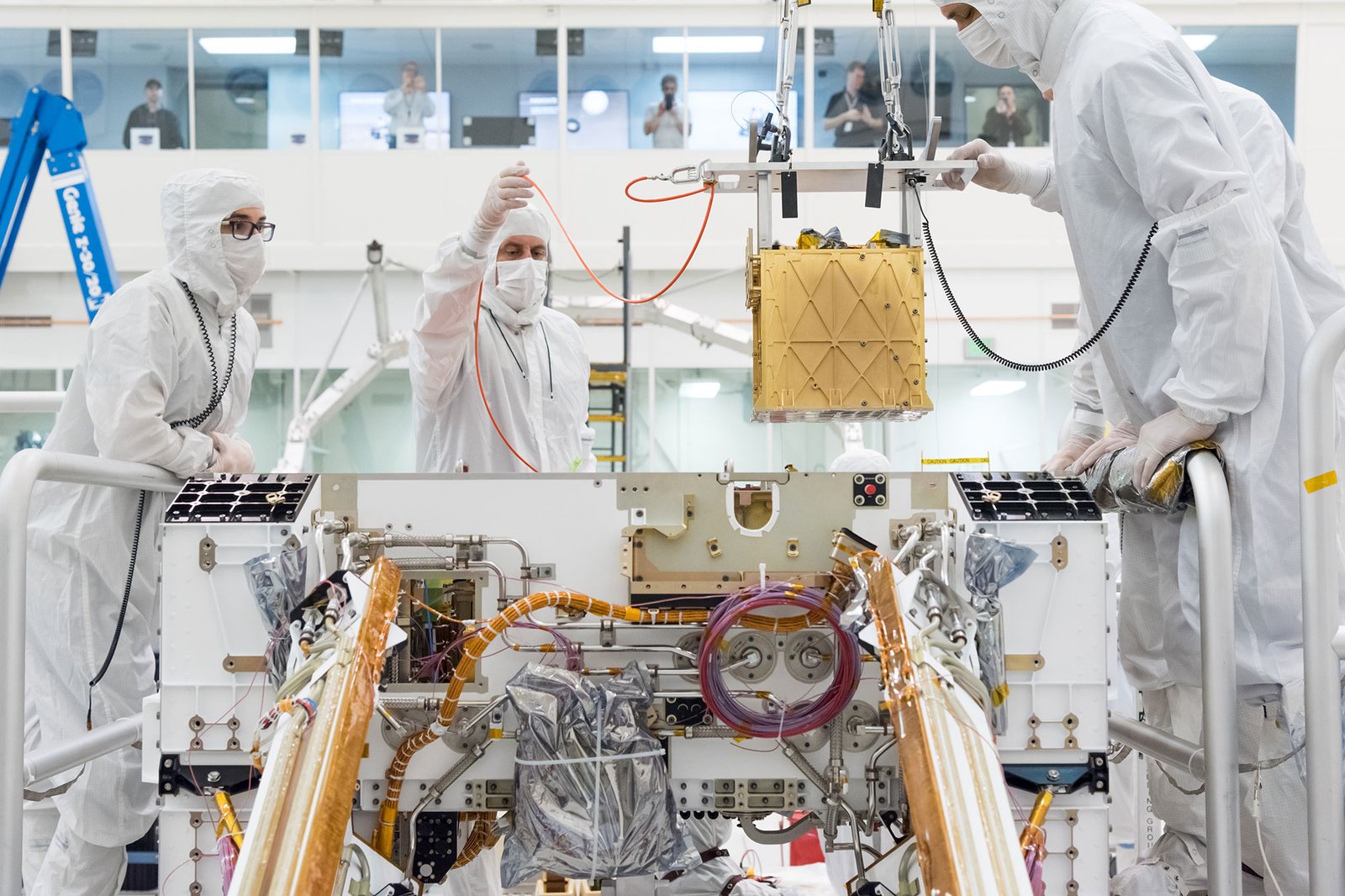
This field has an important precedent. NASA’s MOXIE, carried by Perseverance, extracted oxygen from the Martian atmosphere through an electrochemical process.
When NASA reported completion of its operations on 6 September 2023, MOXIE had produced 122 grams of oxygen across 16 runs. At its best it made 12 grams per hour, with purity of at least 98%. Those results demonstrated atmospheric oxygen production on Mars; they did not amount to a full-scale supply system for a crewed rocket. NASA’s MOXIE results
There is another important distinction in the language of spaceflight. Oxygen can serve as an oxidiser, allowing a rocket’s fuel to react. Producing oxygen does not by itself produce all the fuel, tanks, refrigeration or other infrastructure a departure system needs.
The less glamorous technology behind the big rocket
Our assessment is that the strongest case for the MIT work is as a possible additional route worth testing against existing methods. It has not yet earned a claim of being better than MOXIE’s approach at mission scale.
Readers following SpaceX’s efforts to turn Starship into an orbital workhorse are seeing the transport side of a much larger engineering problem. A sustained presence elsewhere would also need dependable supplies and machinery that can use local resources.
Launches are dramatic. A system that quietly fills an oxygen tank could be just as decisive for the journey home.
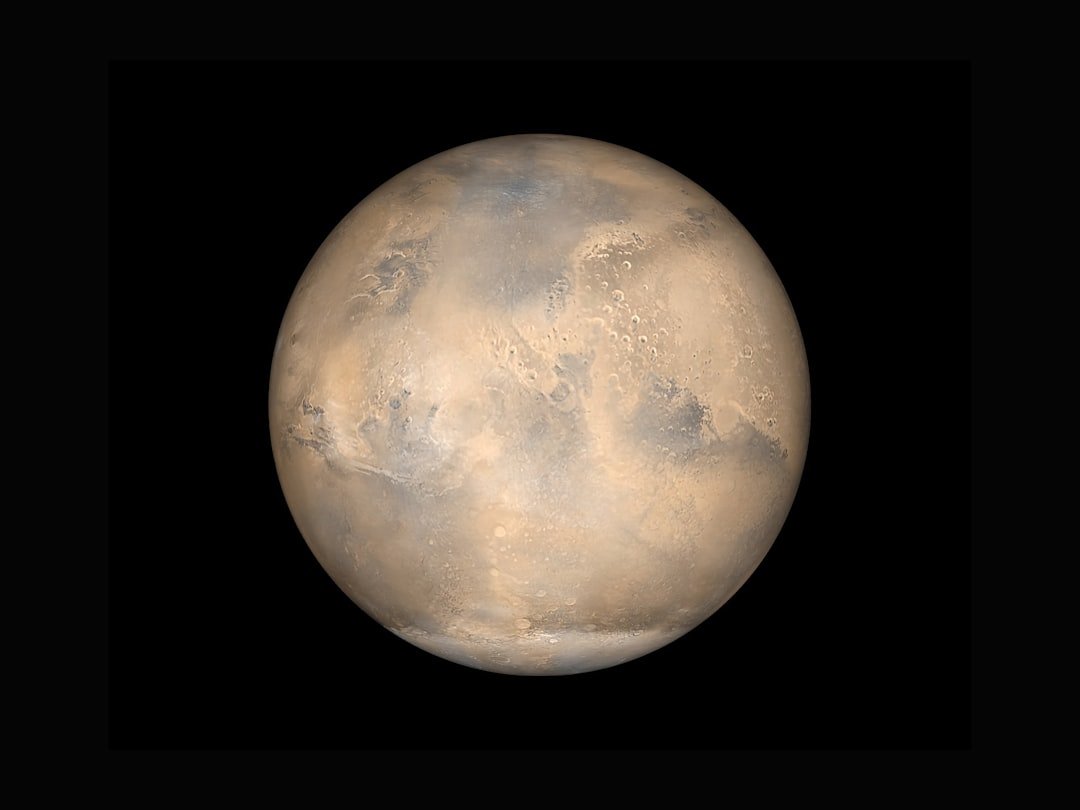
Featured image: NASA simulated view of Mars. NASA / Unsplash.
Leave a Reply