
The most expensive AI chip in the world is of limited use inside a building that cannot power it reliably or carry its heat away. Nvidia’s latest announcement takes that practical problem into the heart of its business strategy.
On 21 September 2026, the company introduced Nvidia DSX Ready, a programme for qualifying partner equipment against requirements in its AI-factory reference designs. It starts with battery energy storage systems and cooling distribution units. This is a commercial infrastructure initiative, with a specific qualification process, rather than a new processor launch. Nvidia’s announcement
The interesting shift is where the competition is happening. Nvidia wants the machinery around its chips to become easier to choose and integrate. That could matter to the speed at which useful AI capacity becomes available.
Why batteries belong in an AI factory
A battery energy storage system combines batteries with power-conversion equipment and controls. Nvidia’s technical guidance describes uses including buffering changes in AI demand, responding to grid conditions and supporting operation during voltage disturbances. Its qualification process examines behaviour such as current limiting and transitions between grid-connected and on-site generation modes. BESS qualification documentation
For a general reader, the distinction is between storing electricity and managing how electricity arrives. A store of energy is useful only if the equipment can deliver it in the required way, at the required moment.
The qualification boundary is also important. Nvidia’s BESS guidance excludes equipment such as site transformers, switchgear, generators and campus control systems from the battery qualification itself. A successful product test therefore cannot certify the entire building. Scope of the tests
Cooling is becoming part of the platform
A cooling distribution unit, or CDU, transfers heat from the liquid loops serving computers to the facility’s cooling system. Nvidia’s infrastructure documentation also describes a software connection between building-management data and its computing tools. That connection allows information about the physical facility to reach systems responsible for operating the computers. Nvidia’s building integration guide
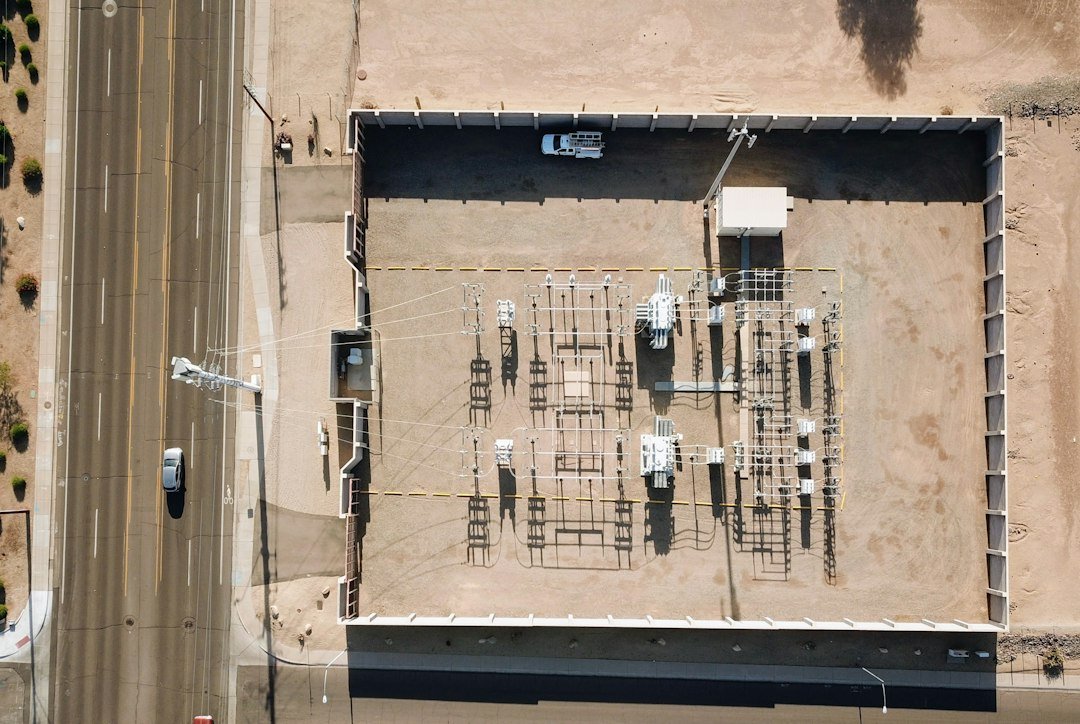
Think of the problem as a chain. A chip produces heat; liquid carries it away; the building must then reject that heat. Improving only the first link does not guarantee a better-performing chain.
Nvidia lists Hitachi Energy, LG Energy Solution and Tesla among the initial battery participants, and LG Electronics, LiquidStack and Vertiv among the cooling participants. It explicitly says qualification does not replace engineering for the individual site. Launch details
The commercial prize is easier deployment
Our assessment is that DSX Ready could give suppliers a clearer target and buyers a more useful starting shortlist. The practical value would come from fewer integration surprises, rather than the badge alone.
There is a competitive implication too: the company that defines a widely adopted reference design can influence decisions far beyond the components it manufactures. That is an interpretation of Nvidia’s strategy, not evidence that customers have lost the ability to choose alternatives.
This complements the separate push to make AI data centres more flexible electricity consumers. One initiative concerns how a facility responds to the grid; this one helps connect a design to specific equipment.
The next evidence worth watching is operational: time to commission, reliable computing output and performance under the site’s actual limits. Nvidia has made the supplier-selection process more structured. Builders still have to prove the whole facility works.
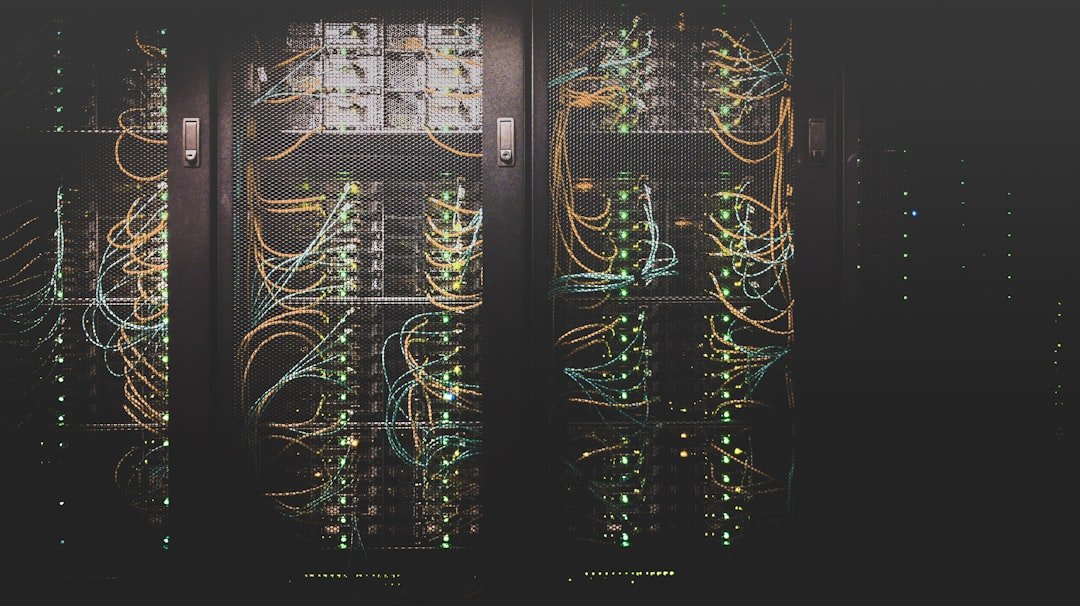
Featured image: Representative data-centre photograph; it does not show a specified Nvidia DSX installation. Image: Taylor Vick / Unsplash.
Leave a Reply