
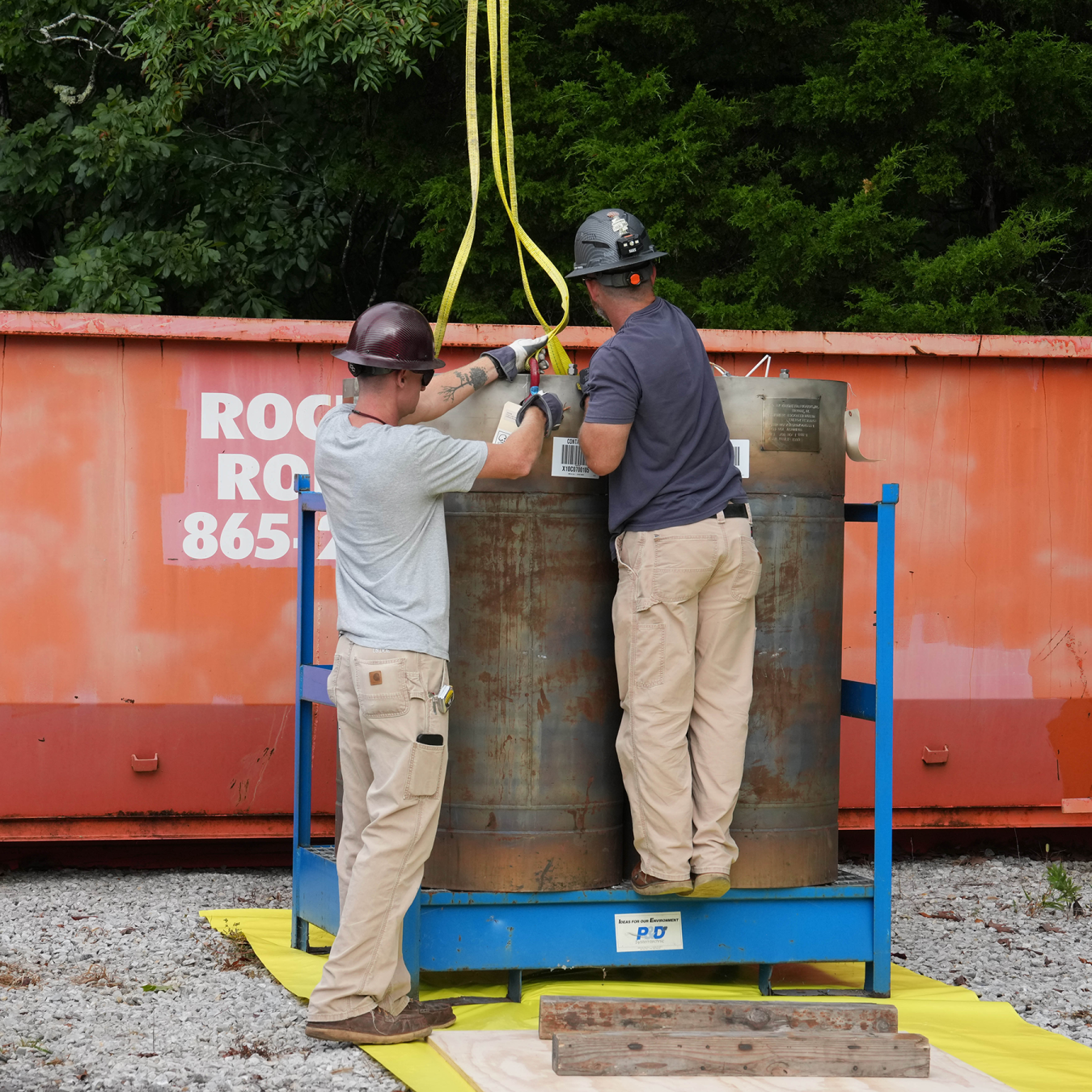
One of the most unusual deliveries in advanced nuclear energy this month was a shipment of salt that had been kept since the end of a 1960s reactor experiment.
On 22 September 2026, the U.S. Department of Energy reported that more than 4,700 pounds of specialised FLiBe salt had been transferred to Natura Resources. The material arrived on 18 September and is intended for the company’s MSR-1 research reactor under development at Abilene Christian University in Texas. DOE’s announcement confirms the delivery.
This is a physical supply-chain milestone for a demonstration project. It is not an announcement that the reactor has begun supplying electricity.
The salt that makes this story unusual
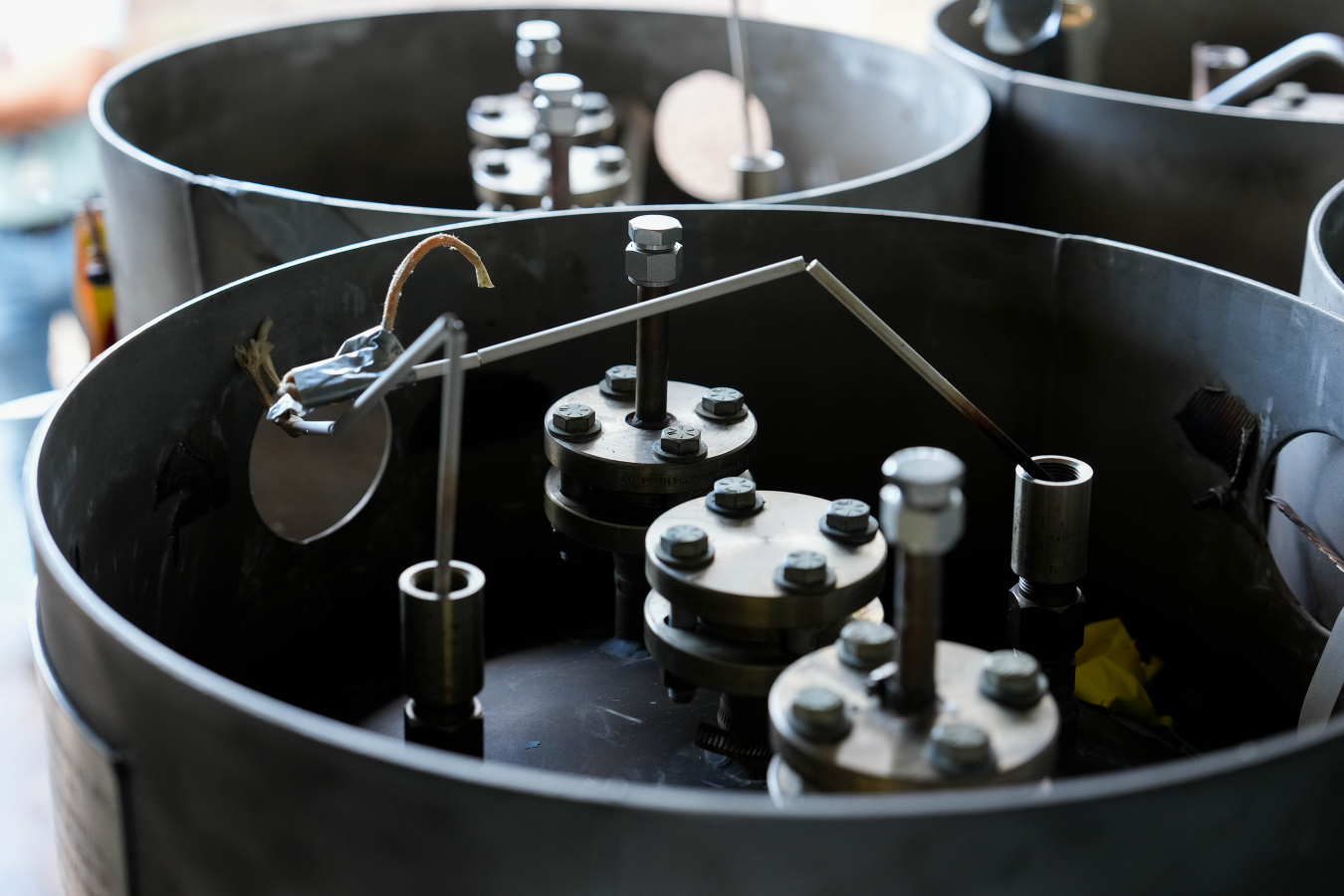
FLiBe is a mixture of lithium fluoride and beryllium fluoride. Heated into a liquid, it can transport heat through a reactor system. The inventory being transferred originally served as coolant in the secondary system of Oak Ridge’s Molten Salt Reactor Experiment.
The unusually valuable ingredient is lithium enriched to 99.99% lithium-7. Oak Ridge explains that this isotope is less likely to absorb neutrons needed for reactor operation and helps reduce production of radioactive tritium. The laboratory says substantial domestic production capacity remains limited. ORNL’s technical account describes why the stored material matters.
Coolant, fuel and a demonstration reactor
The word “salt” can obscure an important distinction. The shipped material was used historically as coolant; it should not simply be described as a shipment of old uranium fuel. In Natura’s proposed salt-fuelled design, uranium is dissolved in a liquid salt mixture. Salt chemistry and nuclear fuel are connected, but they are not interchangeable terms.
Operating at high temperature with relatively low pressure is one attraction of molten salt designs. That does not eliminate the need to establish material durability, chemical control, containment and safe operation. A different engineering approach brings different questions to demonstrate.
Natura says the MSR-1 is intended to generate operating data for its later commercial reactors. Its September announcement characterises the delivery as reducing a specialised supply-chain risk. That is the developer’s assessment of progress, rather than independent proof of future electricity costs or deployment schedules. Natura’s statement sets out the intended next step.
The unglamorous part of an energy transition
Advanced nuclear announcements often concentrate on a design, a proposed site or an ambitious future market. This delivery illustrates a more practical constraint: a project also needs the right materials, in the right condition, at the right time.
For the wider energy system, that makes demonstration work important. A dependable operating record can answer questions that a rendering or an investment announcement cannot. It also provides a basis for evaluating maintenance requirements and scaling challenges.
The same distinction runs through the rush to build power infrastructure for AI: planned capacity and functioning equipment are different stages of progress.
Historic salt has now reached a new project. The next meaningful evidence will come from what that project can demonstrate with it.
Featured image: Workers prepare historic FLiBe salt canisters for shipment at Oak Ridge. Credit: ORNL / U.S. Department of Energy.
Leave a Reply