
An AI agent becomes a different proposition when it can work with what is directly in front of you. Instead of typing out a product name or describing a notice on a wall, you could point your attention at it and ask for help.
That is the direction Meta outlined at Connect 2026. Its 24 September recap says Muse will come to the company’s AI glasses in the coming months, allowing the agent to respond to a wearer’s visual surroundings. It also announced expanded service connections and plans to give Muse its own email address. These are announced additions, with the glasses integration still ahead. Meta’s Connect announcement
The interesting part comes after recognition
Identifying an object is only the beginning. The more ambitious product idea is an assistant that can carry a request from recognition to an outcome: understand the item, gather relevant information and help complete a task.

Consider a hypothetical school-supplies run. Recognising a list would save some typing. Checking it against what a family already owns, comparing suitable options and preparing an order could save much more time. Each additional step, however, creates another opportunity to misunderstand the request.
Our reading of Meta’s announcement is that the competition is moving towards that entire chain. A useful agent will be judged on the result it delivers, including the effort needed to correct it.
Trust becomes part of the product
Meta’s separate security explanation describes isolated computing environments, protection for credentials and an external control system that mediates the agent’s actions. It also acknowledges that Muse can still make mistakes. The company says browser purchases trigger a review of the transaction details before approval. These are Meta’s descriptions of its safeguards, rather than an independent security verdict. Meta’s security architecture
For glasses, there is an additional practical question: how easily can a wearer understand what the agent has seen, what it has retained and what it is about to do?
A successful interface should make those answers obvious without turning every interaction into a settings exercise. The most impressive demonstration may involve an agent doing several things at once. The most valuable everyday feature could be a clear record of what happened and a simple way to stop it.
Meta has set out an ambitious direction. Everyday reliability will determine whether people are comfortable taking it outside.
Sources
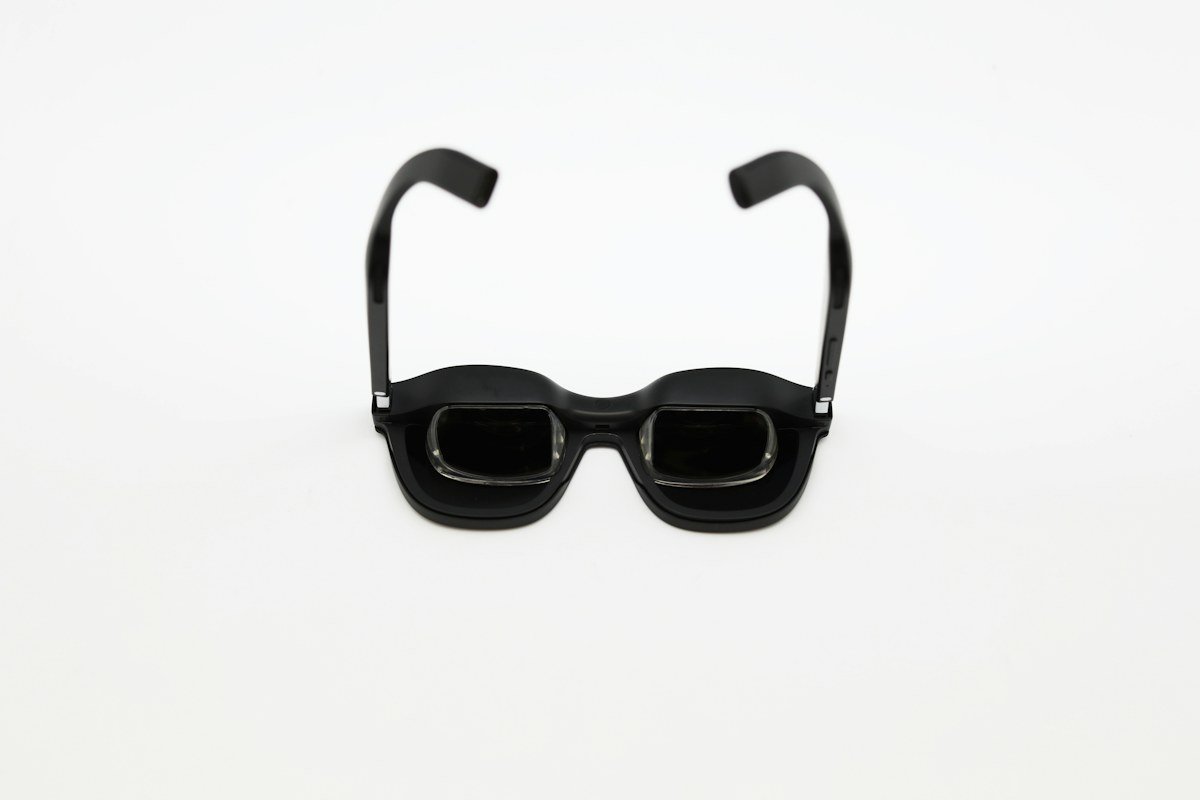
Featured image: Archival augmented reality eyewear, shown for context; this is not a Meta Muse product photograph. Credit: Na sen.
Leave a Reply