
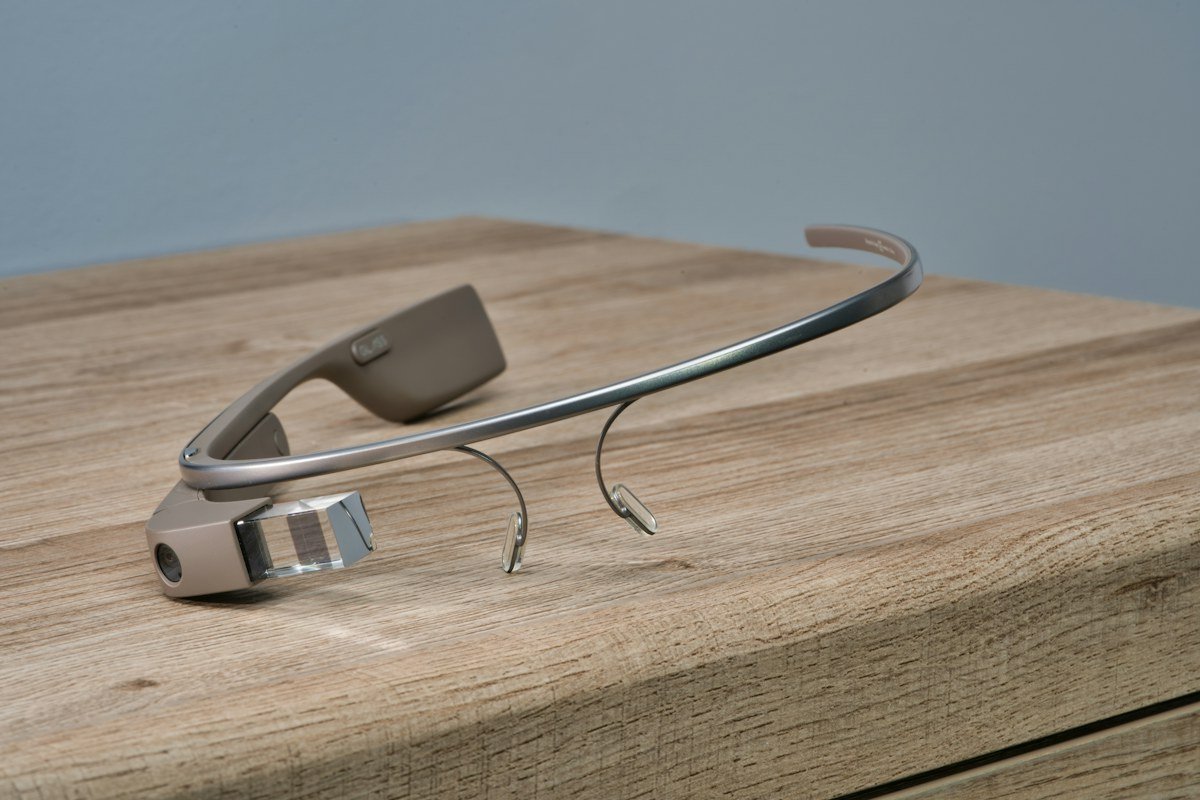
Smart glasses have little room to hide a large computer. Every extra demand on memory, power and cooling competes with the basic requirement that people should want to wear them.
PrismML is approaching that problem by shrinking the representation of the model itself. On 23 September, the company announced a demonstration of its 1-bit Bonsai technology running locally on glasses using Qualcomm’s Snapdragon AR1 Gen 1 platform. It described a roughly two-billion-parameter vision-language model and said its approach could fit four times as many parameters within the same memory constraints as previously possible on some glasses designs. That is a company claim about capacity, not a claim of four times the intelligence. PrismML’s glasses announcement
Smaller numbers, different possibilities
A model’s parameters are the numerical values learned during training. Representing them with fewer bits can reduce the memory needed to hold them. The difficult part is preserving useful behaviour after that reduction.
PrismML’s broader work illustrates the trade-off. In a separate 17 September release, it said its ternary Bonsai 2 27B model occupies 5.9 GB and retains more than 98% of the aggregate benchmark performance of its full-precision counterpart. That is a different model from the glasses demonstration, and the reported benchmark average is not a guarantee for every task. Bonsai 2 27B release
The distinction matters. A large model compressed for a computer and a smaller model designed for eyewear serve different hardware limits and workloads.
A demonstration still needs an everyday test
Our view is that local processing could make some wearable interactions more practical, particularly when a task can be completed without a round trip to a distant server. But local execution alone does not establish the privacy policy or network behaviour of a finished product.
Nor does fitting a model into memory answer the battery question. A useful test would measure sustained operation, response quality, heat and power consumption together. The task should also resemble ordinary use: changing light, cluttered scenes and incomplete requests.
For consumers, the winning product is unlikely to advertise the number of bits behind every answer. It will simply feel quick and useful without becoming uncomfortable or needing constant charging.
PrismML’s demonstration offers a route towards that experience. The next evidence to watch is how it performs inside shipping glasses over a full day of use.
Sources
Featured image: Archival smart-glasses hardware, not the PrismML demonstration. Credit: Clint Patterson.
Leave a Reply