
A vaccine can be powerful in the laboratory and difficult to deliver where it is needed. For RNA medicines, keeping fragile ingredients stable during transport is part of that challenge.
A study published in Nature Biotechnology on 28 September 2026 reports a promising advance: experimental, dried RNA-vaccine formulations retained their measured biological activity after more than two months at 37°C. The researchers also tested immune responses in rodents and nonhuman primates. This is preclinical evidence, before proof of safety and effectiveness in human trials. Peer-reviewed study
Protecting the delivery package
Messenger RNA, or mRNA, carries instructions that cells can use to make a protein. Vaccines use those instructions to help the immune system recognise a target. Tiny fatty packages called lipid nanoparticles protect the RNA and help it enter cells.
The new work focuses on the formulation around those packages. MIT explains that the team screened protective ingredients such as sugars, salts and polymers, known as excipients. The goal was to preserve useful activity after drying and warm storage. MIT’s explanation of the approach
That changes the practical problem from inventing a wholly new vaccine target to finding a better way to protect and deliver the material.
AI chose which experiments to try next
The researchers call their framework AGENT. It combines laboratory testing with Bayesian optimisation, a method that uses previous results and uncertainty to choose informative next experiments.
According to the paper, the team completed six rounds of optimisation within a month. The formulations used lipid compositions representative of those in the Moderna and Pfizer-BioNTech vaccine platforms. Animal immune responses were non-inferior to those produced by freshly prepared soluble vaccines in the reported comparisons—meaning they met the study’s standard for being no worse. Methods and animal findings
Using a familiar lipid composition does not make a new formulation an approved product. Nor does a strong immune response by itself establish protection against disease in people.
More delivery options could follow
MIT says greater stability could also support microneedle patches: small arrays of dissolving needles that release vaccine material through the skin. Warm-storage tolerance could make distribution easier where dependable refrigeration is difficult. Potential distribution and patch applications
Our assessment is that the next important questions concern manufacturing consistency, stability across realistic transport conditions and human clinical performance. A useful product must preserve the right properties from factory to administration.
The study offers encouraging evidence that AI can help narrow a difficult formulation search. Its significance is a better experimental route towards durable RNA medicines, with clinical development still ahead.
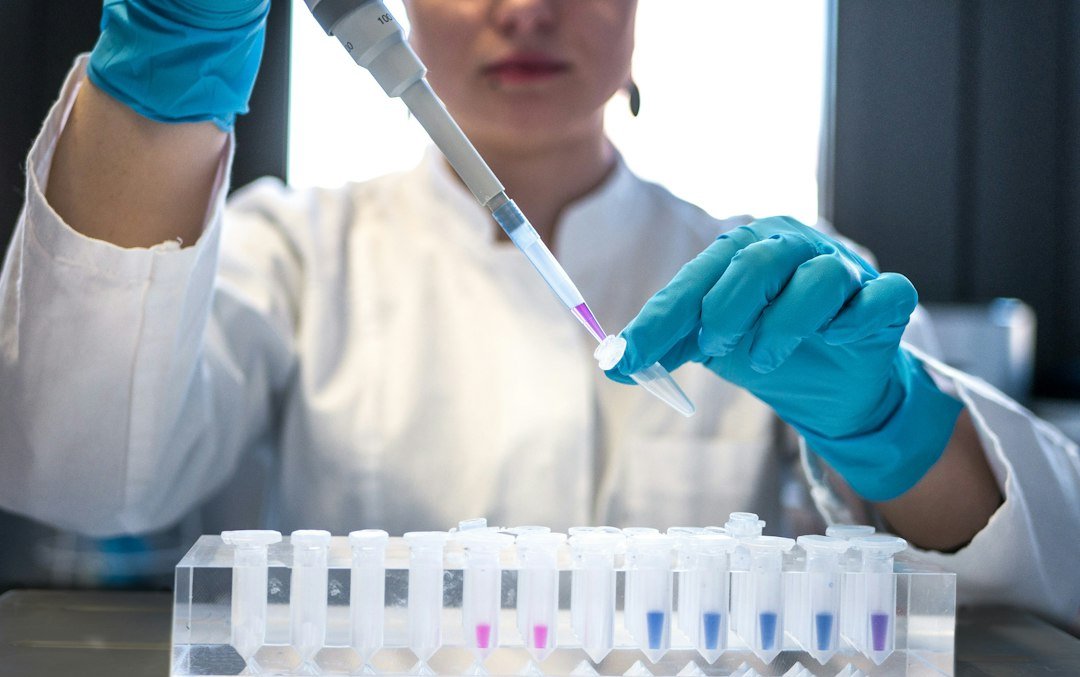
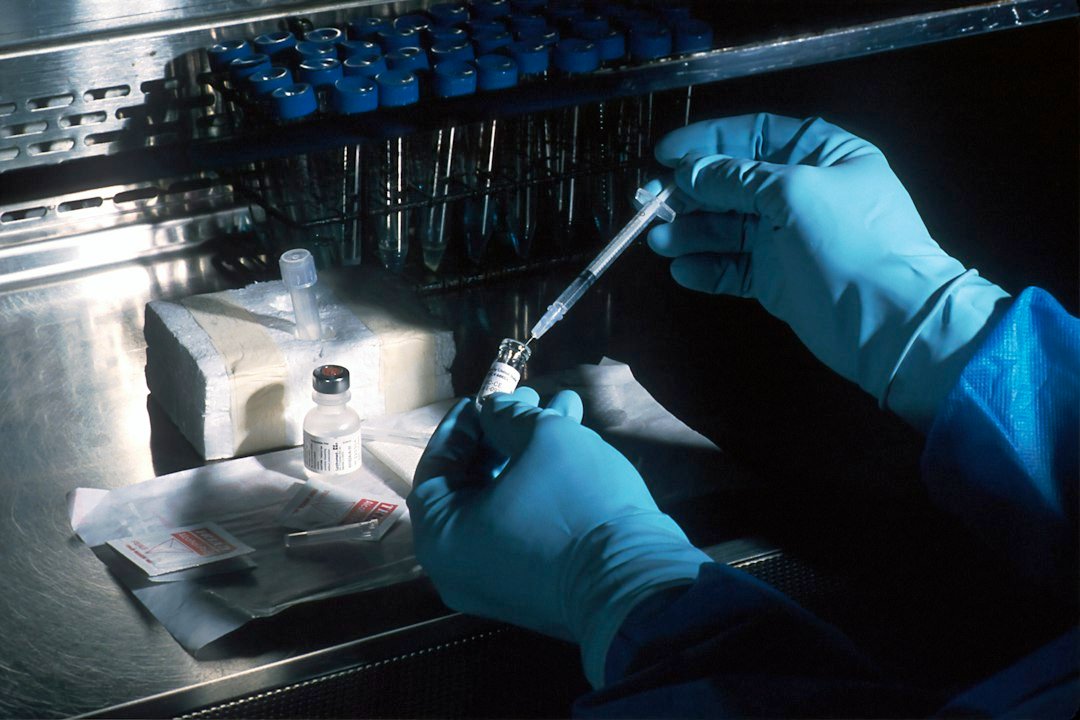
Featured image: representative photograph by Julia Koblitz / Unsplash. Images illustrate the subject and do not show the specific project or experimental equipment described.
Leave a Reply