
Biotechnology
Gene editing, cancer biotechnology, regenerative medicine, longevity science and the evidence moving from laboratories into clinical care.
-
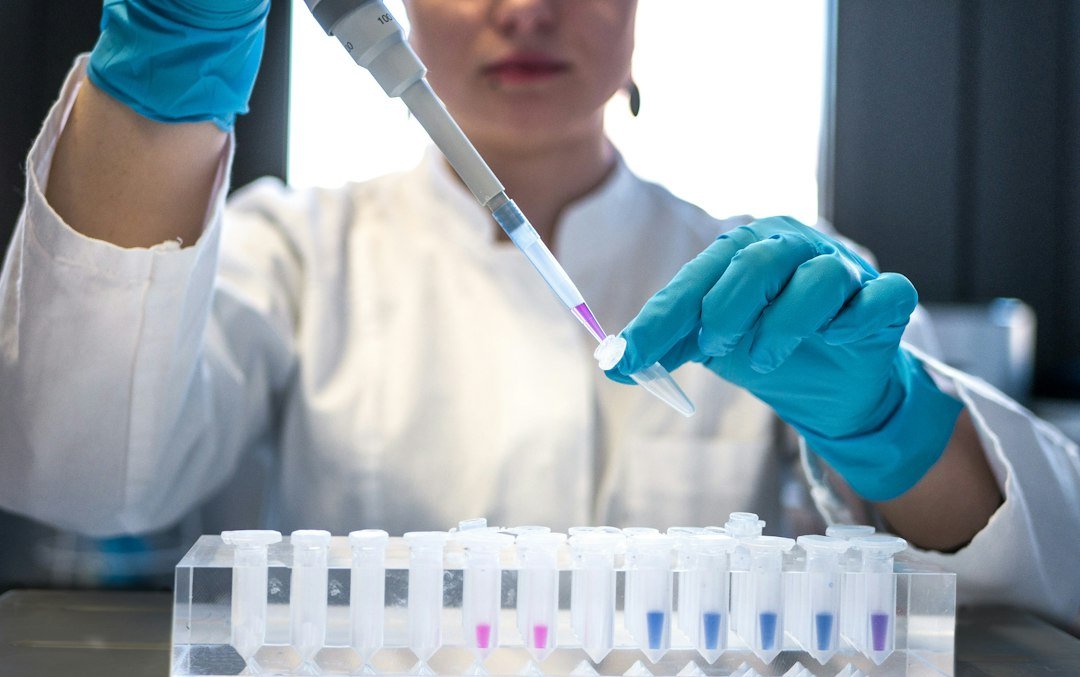
OSK Reprogramming Repairs Mouse Cartilage Without Erasing Cell Identity
OSK partial reprogramming protected cartilage in cultured cells and mouse osteoarthritis models. It remains preclinical gene-delivery research.
-

FDA Moves Talazoparib–Enzalutamide Earlier in HRR-Mutated Prostate Cancer
FDA approved talazoparib plus enzalutamide earlier in HRR-mutated metastatic prostate cancer after TALAPRO-3 delayed progression.
-

CRISPR’s Rare Mistakes Change From Cell to Cell and Organ to Organ
Single-cell and mouse-organ profiling found CRISPR off-target edits can vary by cell and tissue, exposing blind spots in bulk safety tests.
-
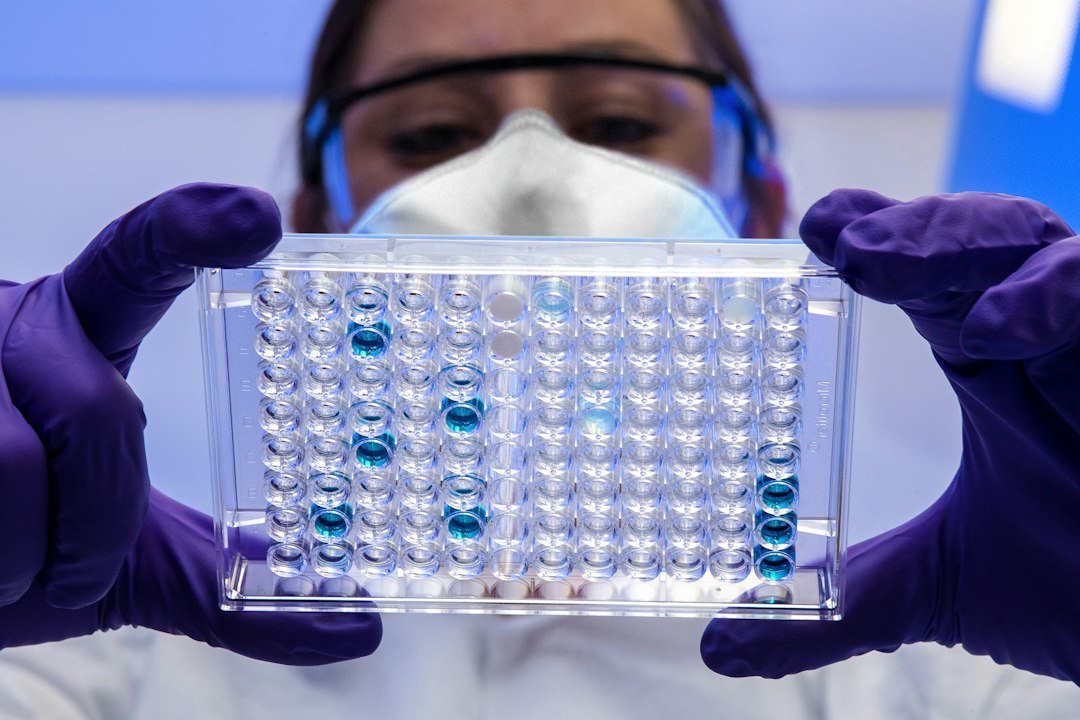
Thousands of AI Agents Turn a Mouse-Brain Atlas Into Testable Leads
Thousands of GPT-Rosalind agents analysed a mouse-brain CRISPR atlas in 32 minutes, producing testable leads that still need laboratory validation.
-
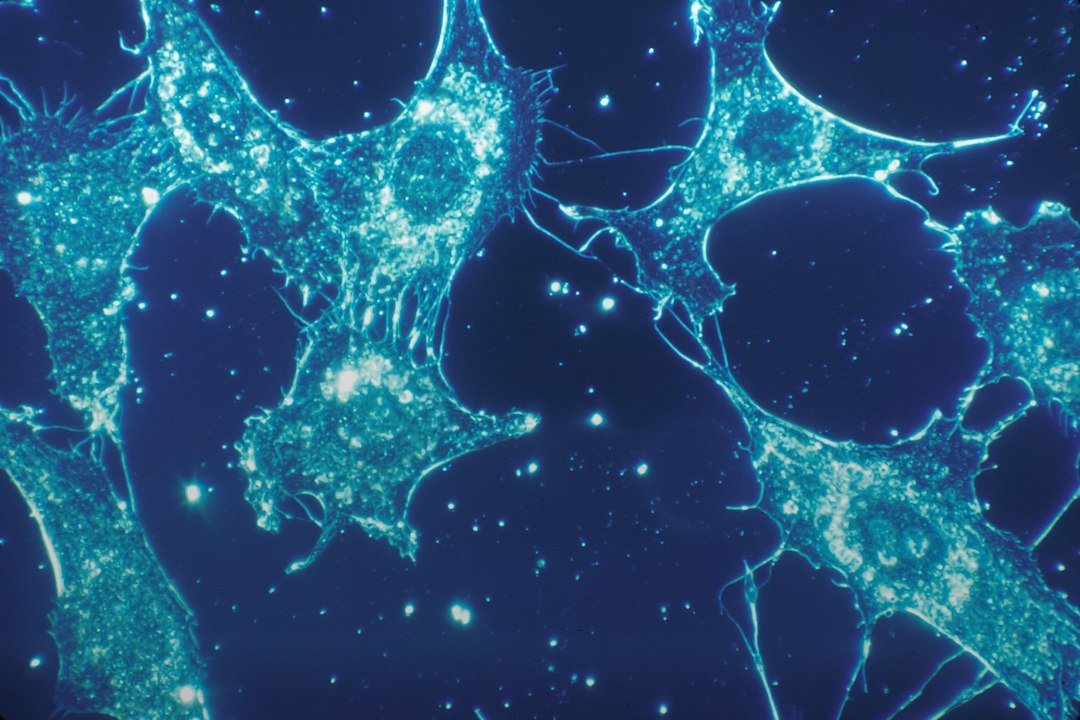
Recordanelles Give Human Cells a Transcriptome Memory
A synthetic organelle preserved a broad sample of messenger RNA for days inside cultured human cells, allowing later sequencing to recover transient gene activity. It is a research tool, not a therapy.
-

Human Argonaute Becomes a Programmable RNA Editor in Cells
The ALTER system repurposes human Argonaute 2 to guide C-to-U edits in messenger RNA. It outperformed two Cas13 editors in one cultured-cell comparison, but remains early laboratory research.
-

AstraZeneca and Oracle Bring AI Trial Matching Into Clinical Workflows
AstraZeneca and Oracle plan to connect real-world health data, clinical workflows and AI for trial recruitment, safety monitoring and earlier diagnosis. The first hypertension programme is a deployment test, not proof of improved outcomes.
-

Rina-S’s Phase III Win Raises the Bar for Platinum-Resistant Ovarian Cancer
Rina-S cut the relative risks of progression and death versus chemotherapy in a 584-person Phase III trial. The result is important, but it remains a topline company disclosure rather than a regulatory approval.
-

Personalised mRNA Cancer Vaccine Cuts Melanoma Recurrence Risk in Phase III
A 1,137-person Phase III trial found that adding an individualised mRNA therapy to Keytruda reduced the risk of melanoma recurrence or death by 42%. The result is important, but it is not yet an approval or proof of benefit in other cancers.
-

Tarlatamab Combination Extends Survival in First-Line Small-Cell Lung Cancer
In the Phase III DeLLphi-305 trial, tarlatamab plus durvalumab extended median overall survival to 21.1 months after initial chemotherapy. The benefit was substantial, alongside higher serious treatment-related toxicity and frequent cytokine release syndrome.
-

Human-Embryo Base Editing Improves Precision but Still Triggers Safety Alarms
A Nature study achieved efficient adenine base editing in research-stage human embryos without the large deletions typical of DNA-cutting CRISPR. Rare chromosome damage, mosaic off-target edits and embryo arrest still rule out reproductive use.
-
Dual-Target ADC Doubles Progression-Free Survival in Advanced Breast Cancer
Phase 3 results for iza-bren improved progression-free survival after prior chemotherapy, while overall-survival data remain immature and approval is not yet established.