
Making an RNA medicine involves more than getting its sequence of chemical letters right. The three-dimensional arrangement of some of its bonds can matter too—and manufacturing that arrangement consistently is a separate challenge.
On 28 September 2026, Codexis announced an agreement with an unnamed siRNA drug developer to evaluate RNA fragments made using its ECO Synthesis platform. The partner will join those fragments into the final double-stranded molecule. This is a manufacturing evaluation agreement, with potential future clinical applications. Company announcement
The shape of a bond adds complexity
Small interfering RNA, or siRNA, is designed to reduce the activity of a selected gene by targeting its RNA message. It is a gene-silencing approach; it does not need to rewrite the underlying DNA.
Drug developers can modify RNA’s chemical backbone. One modification, a phosphorothioate linkage, introduces two possible spatial arrangements at a bond. Several such positions create many possible combinations. Codexis illustrates the arithmetic with six positions: two possibilities at each produces 64 combinations. Codexis technical overview
Stereo-defined means those spatial arrangements are specified rather than left as a mixture. The company’s StereoSelect capability uses engineered enzymes to control that feature during synthesis. Enzymes are biological catalysts: they help chemical reactions happen in a selected way. How StereoSelect is intended to work

A comparison before a commercial verdict
The agreement calls for comparing enzyme-made fragments with material produced through conventional solid-phase oligonucleotide synthesis. The partners will examine purity, product quality and performance during ligation, the step that joins smaller RNA pieces together. Codexis has not identified the partner or announced a resulting medicine. Scope of the evaluation
Controlling a molecule more precisely could help researchers understand how its structure affects its behaviour. But greater manufacturing control does not automatically mean a safer or more effective treatment. Those outcomes require their own evidence.
The factory is part of the technology
Our assessment is that this is a useful test of a less visible part of biotechnology: whether a promising molecular design can be made reliably and at useful scale. The next meaningful milestone would be comparative results showing where the process improves quality, yield or reproducibility.
For now, the announcement establishes that an RNA developer is evaluating the approach. Claims of lower costs, better therapeutic performance or broad replacement of existing manufacturing methods remain to be demonstrated.
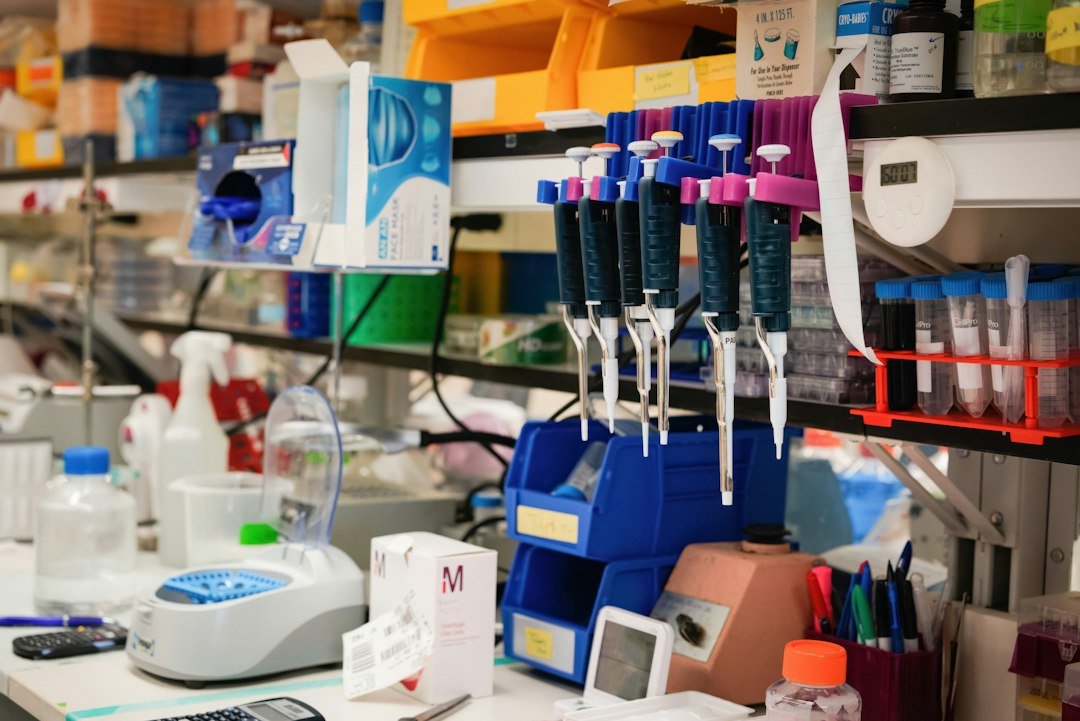
Featured image: representative photograph by NIAID / Unsplash. Images illustrate the subject and do not show the specific project or experimental equipment described.
Leave a Reply