

A data centre can have a developer, a site and a proposed power budget—and still fail to move into construction. A withdrawn project on Sydney’s lower north shore illustrates another part of the AI infrastructure challenge: securing acceptance for a large physical facility near a community.
On 29 September 2026, Lane Cove Council confirmed Goodman’s withdrawal of Project Mars, a proposed data centre at 12 Mars Road, Lane Cove West. The NSW Planning Portal now lists the application as withdrawn and describes a facility with approximately 90 megawatts of power consumption. Council announcement and Official planning status
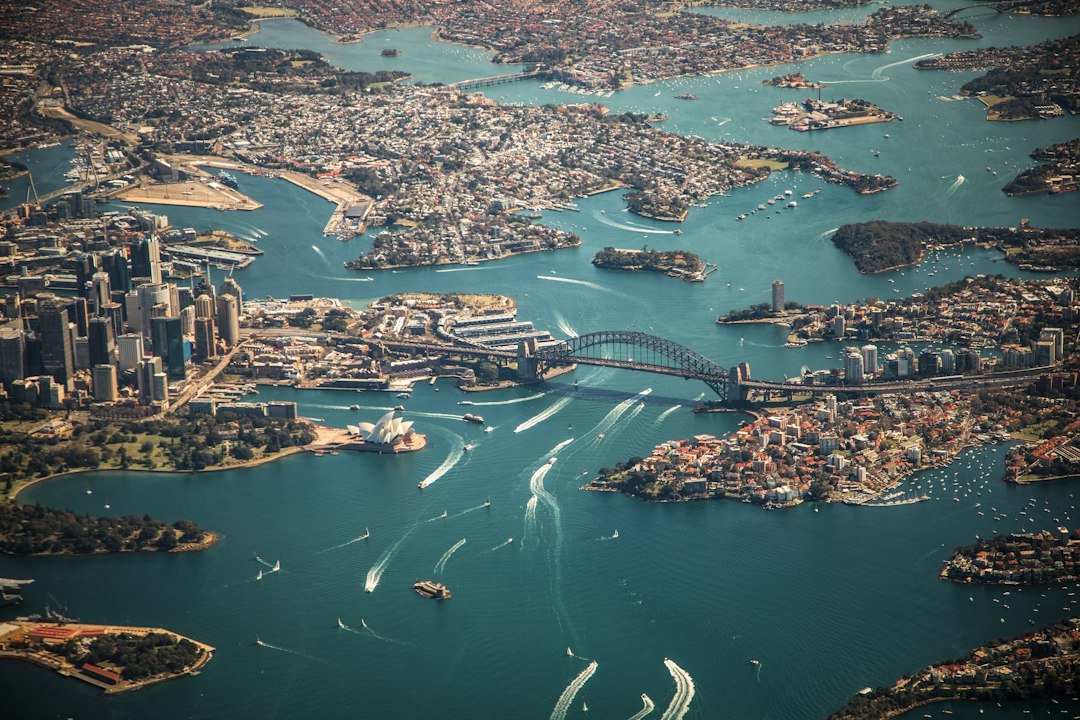
Featured image: Dan Freeman / Unsplash. Representative photograph; it does not depict the specific product, facility or project described.
A withdrawal is different from a refusal
The current record shows that the application was withdrawn. It should not be described as a completed government refusal, an operating facility shutting down or a nationwide ban on data centres.
Local reporting says the application attracted 374 public submissions, with nine in favour, and that other proposals in the business park are not affected by this withdrawal. Submissions document participation in a planning process; they are not a statistically representative poll of the whole suburb. In the Cove’s 30 September account
The cloud has a physical neighbourhood
Data centres contain computing equipment that needs power, cooling and supporting infrastructure. The planning portal includes objections about noise, water demand, construction disruption and cumulative impacts from several facilities. Those entries record residents’ concerns, rather than proving that every predicted impact would occur. Public submissions
These distinctions matter. Responsible assessment needs evidence about the proposed design and operating conditions, while communities need understandable information about what will change around them.
A local decision with a wider lesson
The International Energy Agency’s 2026 analysis identifies community acceptance, environmental impacts and affordability among the pressures shaping data-centre development. It also notes that large project pipelines will not all translate into completed facilities. IEA analysis of the buildout
Project Mars is one planning case, so it cannot establish that Australia’s AI expansion has stopped. Its significance is narrower and more practical: announced capacity and delivered capacity are different things.
For future projects, power procurement and hardware contracts will remain essential. Clear siting choices, credible impact assessments and public engagement also influence whether a plan reaches the stage where those servers can actually run.
Leave a Reply