
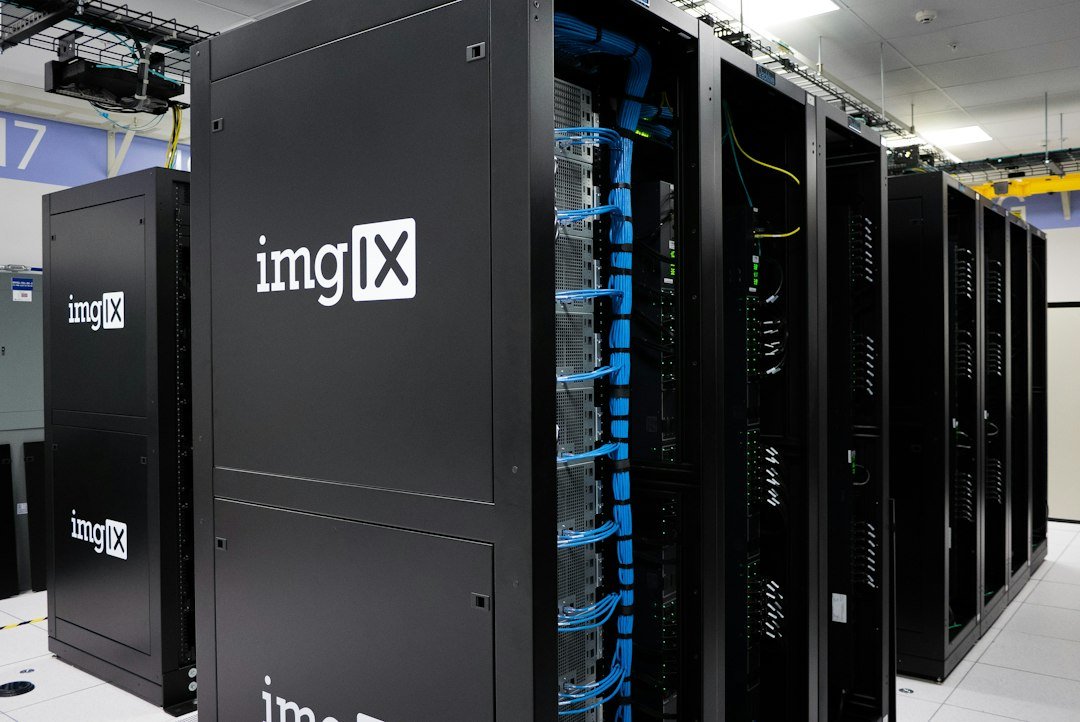
Featured image: Server cabinets at an imgix facility illustrate data-centre infrastructure. Contextual photograph; not KIX15 or the Osaka construction site. Photo: imgix / Unsplash. Unsplash licence.
The next generation of AI infrastructure has to accommodate more than one kind of server. A building designed only around today’s equipment can become awkward when the power and cooling requirements change.
On 7 October 2026, Digital Realty announced construction had begun on KIX15, a 24 MW data centre at its campus in Ibaraki City, Osaka Prefecture. The facility is designed for hybrid air and liquid cooling and is scheduled to begin operations in the fourth quarter of 2028. Construction is the current milestone; operating capacity is still ahead. Read the construction announcement.
A capacity number does not describe the whole building
MC Digital Realty, the joint venture with Mitsubishi Corporation, is developing the facility. KIX15 is planned as the campus’s fifth data centre and would bring its Japan portfolio to ten facilities with approximately 220 MW of aggregate IT capacity. Those portfolio figures are expectations upon completion. Project and portfolio details.
IT capacity describes power available for computing equipment. It is different from a building’s entire electricity use, which also supports cooling and other systems. It is also different from the capacity already occupied by customers.
For a new facility, the useful follow-up questions concern how much IT load is commissioned, which equipment it can support and how quickly customers can move in. A planned rating alone does not establish those outcomes.
Hybrid cooling supports different equipment needs
Digital Realty’s general high-density offering includes air-assisted liquid cooling and direct liquid cooling. It advertises support reaching 150 kilowatts per cabinet for that offering. This is company-wide product background, not a verified cabinet specification for KIX15. The company’s high-density colocation description.
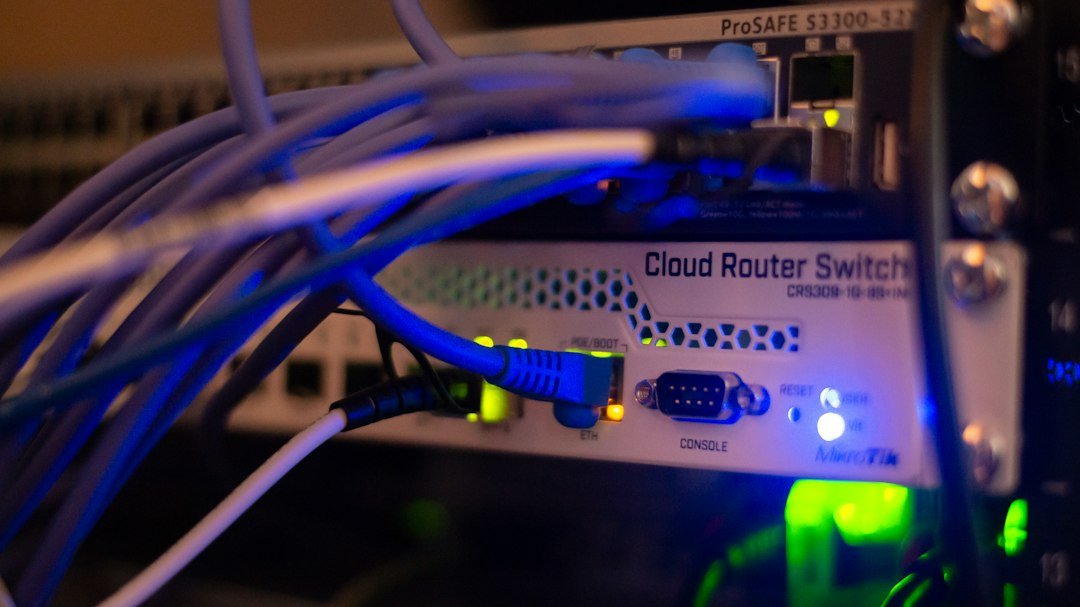
Air cooling carries heat away through airflow. Direct liquid cooling brings a circulating coolant closer to the components producing heat. A hybrid environment allows these approaches to coexist, rather than requiring every piece of equipment to have the same thermal design.
That flexibility matters when a customer wants dense accelerator racks alongside conventional systems. Designing the room, pipework and electrical supply together can help avoid a mismatch between a rack’s requirements and the facility that hosts it.
The engineering question extends to maintenance and resilience. A cooling design needs to keep operating under the conditions customers require, including when equipment is serviced. The headline choice of coolant cannot answer that on its own.
Connectivity turns a site into usable infrastructure
The KIX15 announcement connects the facility to the company’s Kansai AI Infrastructure Co-Creation Project, which combines campus expansion with stronger connectivity and partners. It also identifies ServiceFabric as part of the planned customer connection offering. The Kansai infrastructure plan.
ServiceFabric provides software-controlled private connections to clouds, partners, services and locations. That makes interconnection a service customers can provision and change, rather than merely a cable entering a building. The company’s product description sets out the general capabilities; it does not establish measured latency for an uncompleted facility. ServiceFabric’s connectivity model.
The implication is practical: a server room becomes useful when workloads can reach the data and services they depend on. Good cooling cannot compensate for a poor connection to a customer’s existing systems.
Testing configurations is a separate milestone
In an earlier, separate development, Digital Realty announced a Japan innovation lab on 8 April 2026 at NRT12. It provides air-cooled and direct-liquid-cooled environments for evaluating infrastructure configurations before broader deployment. The Tokyo-area lab is distinct from the KIX15 construction project. The April innovation-lab announcement.
These two steps illustrate different parts of the expansion process. A test environment lets users examine a configuration. A new building adds potential hosting capacity. Neither replaces the commissioning and operating evidence required for a particular deployment.
KIX15’s significance is the combination it is being built to accommodate: dense computing, mixed cooling and connections to a wider ecosystem. The next meaningful evidence will be completed infrastructure and operational performance as the planned 2028 opening approaches.
Leave a Reply