
The United States is trying to squeeze the equivalent output of a large nuclear power station from reactors that already exist. On 27 October 2026, the Department of Energy announced a conditional loan commitment of up to $5 billion for upgrades across Constellation Energy’s nuclear fleet in Illinois, Maryland and Pennsylvania.
The department says the planned uprates and modernization could add nearly 1.1 gigawatts of electricity. That does not mean a new reactor has been approved or the money has been disbursed. Constellation must satisfy technical, legal, environmental and financial conditions before definitive loan documents are signed and funds are released.
The distinction matters. A conditional commitment is a serious financing milestone, but it remains a step in a process that includes project decisions, engineering, regulation and construction.
An uprate extracts more power from an existing plant
A nuclear uprate increases the maximum thermal or electrical output of an operating reactor. Depending on the scale, it may involve more accurate measurement equipment, upgraded turbines and generators, changes to pumps or heat exchangers, and analysis showing that safety systems can handle the higher operating conditions.
This can add firm capacity faster than designing and licensing an entirely new plant. It may also avoid the need for a new site and major new transmission corridors. But an uprate is not just a software setting: components must be replaced or validated, outages must be scheduled and regulators must approve changes that affect licensed power levels.
Eight sites are in the financing envelope
The potential loan covers projects at Braidwood, Byron, Clinton, Dresden, LaSalle and Quad Cities in Illinois; Calvert Cliffs in Maryland; and Limerick in Pennsylvania. The Energy Department estimates the combined output could supply electricity equivalent to the use of more than 930,000 homes and support more than 10,000 project-related jobs.
Those are government projections, not measured outcomes. The final capacity, cost and schedule will depend on which individual projects proceed and what their licensing and construction reviews require.
Federal finance is joining private demand
Constellation says recent 20-year agreements with Google and Amazon have encouraged more than $7 billion of investment associated with approximately 1,080 megawatts of added nuclear capacity. A separate Meta agreement supports a 30-megawatt expansion at Clinton.
Long-term customers can make capital-intensive upgrades easier to finance by giving the owner confidence that someone will buy the output. A government-backed loan can further lower financing costs. The result is a hybrid model: private power contracts create demand while public finance may accelerate construction.
That arrangement also deserves scrutiny. Loan terms, project costs, regulatory obligations and the distribution of benefits and risks should be assessed as definitive agreements emerge. Neither a corporate announcement nor a conditional federal commitment guarantees lower household electricity prices.
The hard parts move rather than disappear
Existing sites have an advantage: reactors, grid connections, workforces and operating licences are already in place. Yet higher output can require turbine work, cooling-system analysis, fuel changes and approval from the Nuclear Regulatory Commission. Construction must often be coordinated with refuelling outages to limit lost generation.
Environmental reviews may also examine water use and thermal impacts. Ageing equipment must be evaluated for the new conditions, and the operator still carries responsibility for spent fuel, emergency planning and eventual decommissioning.
A capacity strategy, not a completed power plant
The loan is part of the federal UPRISE programme, which aims to accelerate incremental output from the existing nuclear fleet. Constellation stresses that the commitment does not represent a final decision to pursue every uprate at every listed facility.
If the projects clear those gates, 1.1 gigawatts from existing reactors would be a substantial addition to grids facing rapid growth in data-centre and industrial demand. For now, the development is best understood as a financing pathway with named sites and a quantified goal—not electricity that has already arrived.
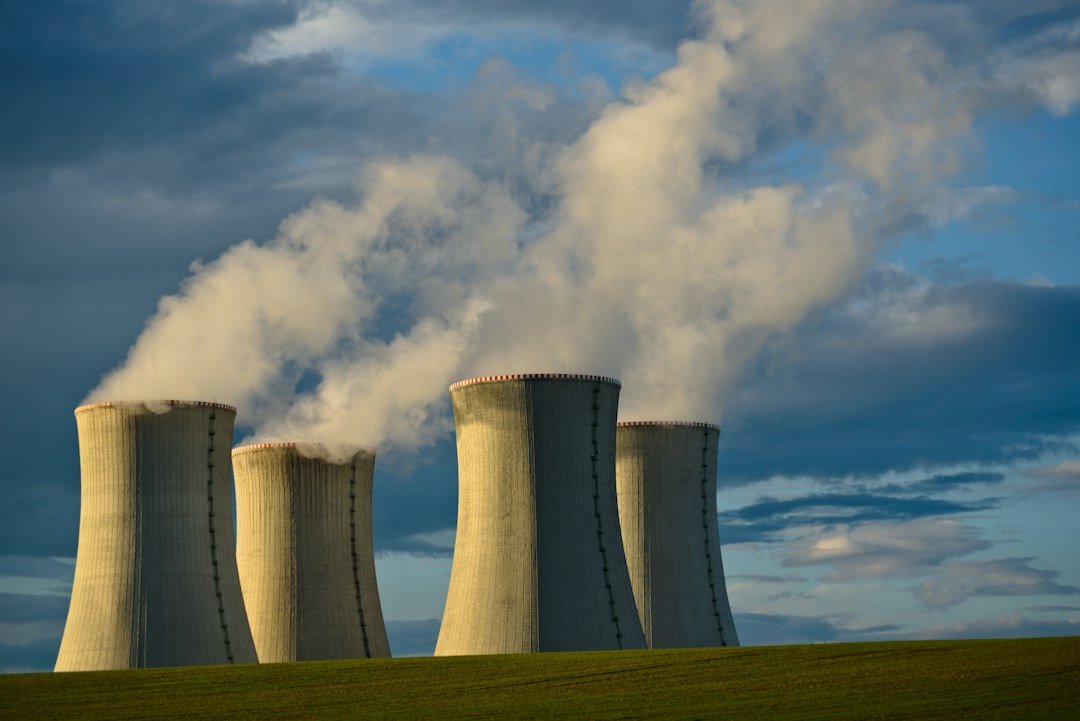
Featured image: Lukáš Lehotský/Unsplash. Contextual nuclear-station photograph; not a named Constellation plant.
Leave a Reply