
GE Vernova has agreed to acquire Trench Group for the US-dollar equivalent of $9 billion, a transaction aimed at the less visible hardware inside high-voltage grids. The deal announced on 28 October 2026 would add bushings, instrument transformers and coils to GE Vernova’s electrification portfolio and vertically integrate an existing supplier.
The acquisition has been signed, not completed. Closing is expected in late 2027 after regulatory approvals and employee-representative consultations where required. GE Vernova currently expects to fund the purchase equally with cash and debt.
Small components can constrain very large projects
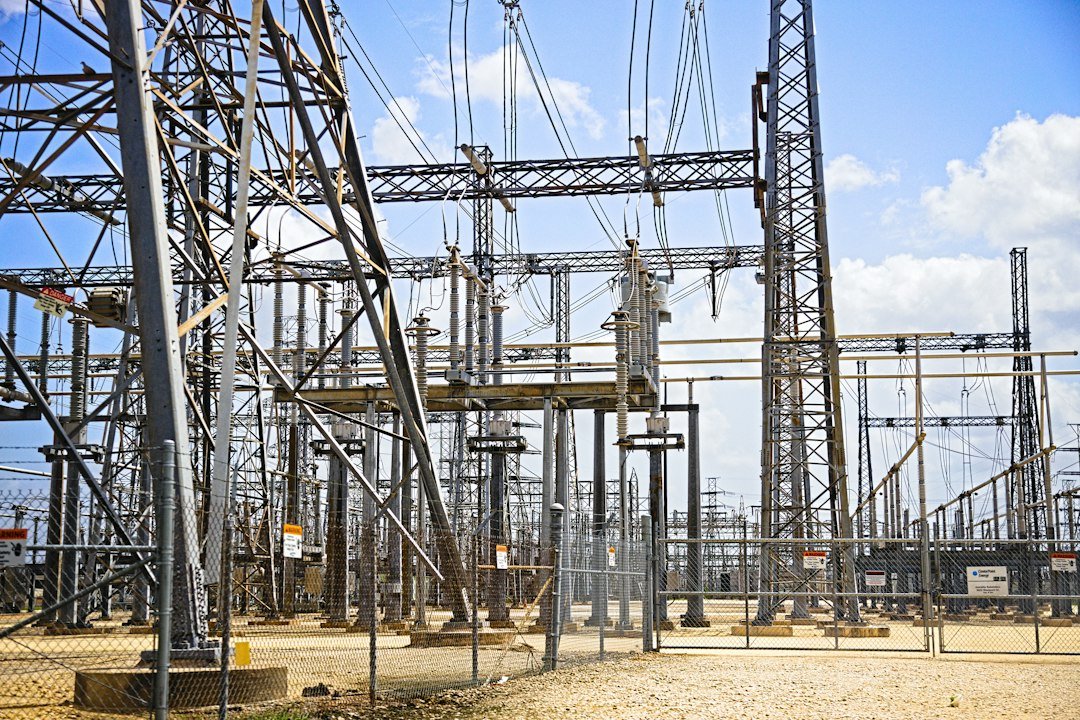
A transformer bushing carries a high-voltage conductor safely through an earthed enclosure. Instrument transformers reduce very high currents or voltages to measurable levels for protection and control. Coils manage electrical behaviour in equipment and networks. These products are rarely the public face of a transmission project, yet a missing component can delay an entire substation or interconnector.
That supply-chain role explains the strategic logic. Trench sells to more than 800 utilities and hyperscalers, employs over 3,000 people and operates 11 manufacturing sites across Europe, North America and Asia. GE Vernova says Trench components are used in most high-voltage direct-current lines built globally, although those systems contain equipment from many suppliers.
The price assumes rapid grid-equipment growth
Trench expects about $1.9 billion in 2028 revenue at an adjusted earnings margin of roughly 36%, according to the buyer. The $9 billion price represents about 13 times projected 2028 adjusted EBITDA before synergies. Those are forward-looking company estimates, not audited future results.
The backlog and framework agreements total approximately $5 billion, with some extending into the next decade. A new Charlotte, North Carolina, facility is expected to start manufacturing 765-kilovolt equipment in late 2027. The portfolio also includes designs intended to avoid sulphur hexafluoride and mineral oil, materials that customers increasingly seek to reduce because of environmental or safety concerns.
Data centres add to an already crowded queue
Grid demand is rising from ageing infrastructure, renewable generation, industrial electrification and large data centres. Higher-voltage corridors can move more power through a given route, but building them requires long-lead-time equipment and skilled manufacturing capacity. The International Energy Agency has warned that delayed grid investment can become a bottleneck for energy transitions and electricity security.
Buying a component supplier does not itself build transmission lines. Planning, permitting, financing and local acceptance remain separate constraints. Nor does vertical integration guarantee that independent customers will see shorter lead times. The transaction’s practical test will be whether combined manufacturing capacity expands and deliveries become more predictable.
Regulatory review will examine more than the headline
Authorities may consider market concentration, customer access and the effect of combining a large systems vendor with an upstream supplier. GE Vernova says the portfolios and geographic footprints are complementary. Customers will care about product qualification, compatibility, service continuity and whether Trench remains able to supply competing system integrators.
The announced financing also matters because cash and debt used for an acquisition cannot be spent twice. The company will need to integrate operations while continuing to invest in factories, workforce and research. Expected synergies can disappear if integration slows production in a market where capacity is the principal prize.
The deal makes a broader point about electrification: the energy transition depends on specialised industrial hardware as much as on generation technologies. GE Vernova is paying heavily for Trench because bushings and instrument transformers have moved from background components to strategic assets. Whether the purchase eases the bottleneck will be visible in factories and delivery schedules, not in the transaction price.
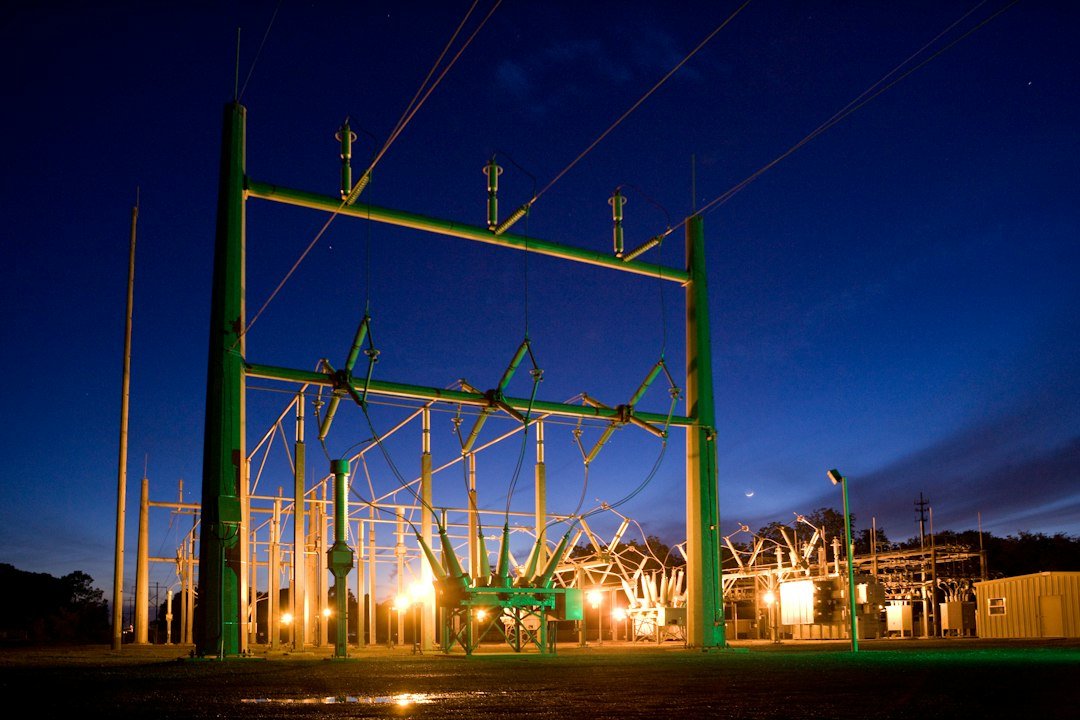
Featured image: A high-voltage substation. Contextual image, not a GE Vernova or Trench facility. Photo: American Public Power Association/Unsplash.
Leave a Reply