
Energy
Nuclear power, fusion, batteries, grids, geothermal systems and the technologies reshaping reliable low-carbon energy.
-

Floating Wind Turbines Could Unlock the Deep Ocean
Floating wind platforms can reach powerful deep-water resources beyond fixed foundations. Learn how they stay anchored and why costs remain high.
-

Can Green Hydrogen Make Steel Without Coal?
Sweden’s HYBRIT project uses hydrogen to remove oxygen from iron ore, producing water instead of carbon dioxide at that step. Scaling clean hydrogen is the hard part.
-

Factories Could Store Cheap Electricity as Heat in Giant Bricks
Thermal batteries heat bricks or carbon blocks when electricity is cheap, then supply industrial heat. Learn why this can be simpler than storing every electron.
-

Superhot Rock Could Produce Far More Geothermal Power From One Well
Superhot geothermal targets extreme underground temperatures where water carries much more energy. The payoff could be huge—but the drilling environment is brutal.
-

Oil-Drilling Technology Is Unlocking 24/7 Geothermal Power
Enhanced geothermal systems create engineered reservoirs in hot rock, expanding 24/7 geothermal beyond natural hot-water fields. Here is how the technology works.
-

A Battery Made of Iron and Air Can Store Power for 100 Hours
Form Energy’s iron-air battery is designed for multi-day grid storage using reversible rusting. Learn why it complements rather than replaces lithium-ion.
-
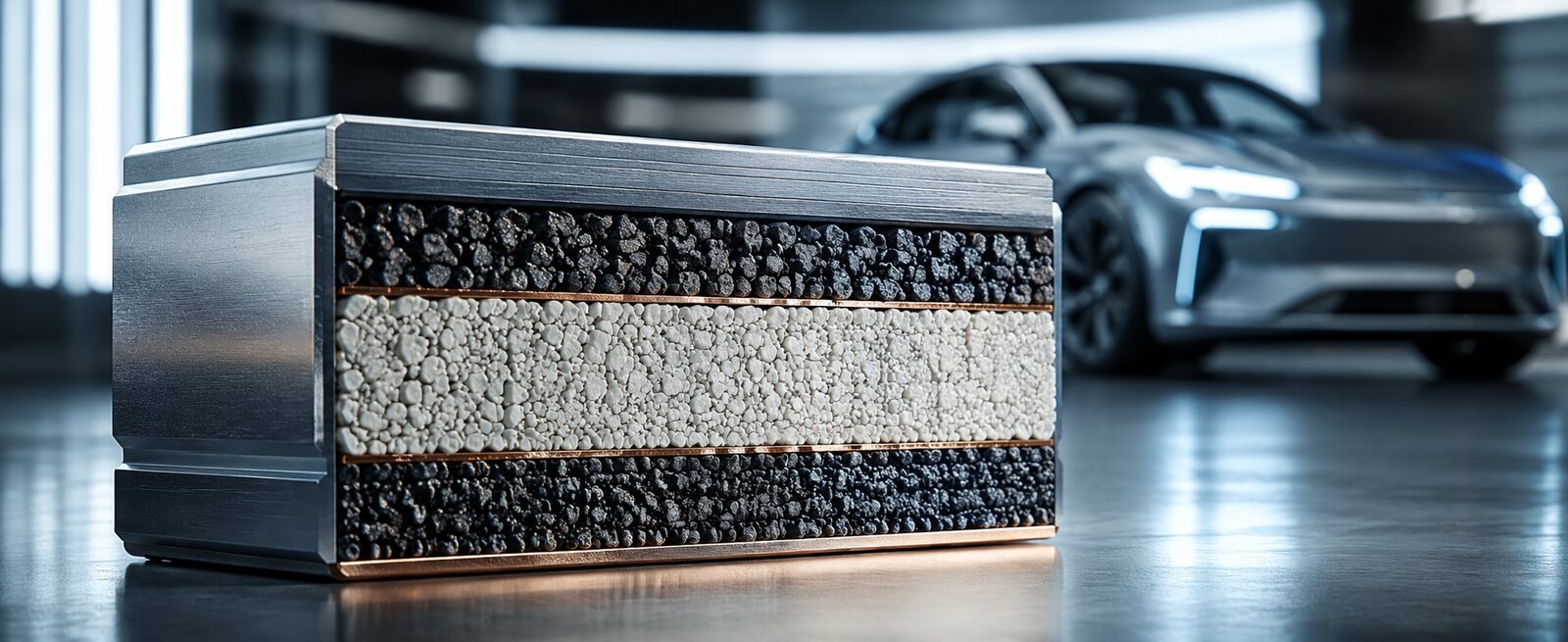
Solid-State Batteries Promise Longer-Range Cars—Why Are They Taking So Long?
Toyota and others are developing solid-state EV batteries with higher energy and fast charging. Interfaces, manufacturing and durability still separate prototypes from mass production.
-

Sodium-Ion Batteries Could Make Energy Storage Cheaper Than Lithium
Sodium-ion batteries use abundant materials and avoid some lithium supply pressures. Learn where they could win—and why lower energy density still matters.
-

The Solar Panel That Stacks Two Technologies to Capture More Sunlight
Perovskite-silicon tandem panels capture wavelengths that ordinary silicon misses. Commercial modules now exist, but durability and scale will decide their future.
-

AI Data Centre Water Use: What the Numbers Really Mean
AI data centre water use depends on cooling, climate and electricity supply. Explore company efficiency claims and the local figures communities need.
-

Commercial Fusion Power by the Mid-2030s? Inside the US Roadmap
The US fusion roadmap targets commercial power in the mid-2030s. Explore the materials, tritium, funding and engineering hurdles behind that ambition.
-

AI Data Centre Energy: The 1-Gigawatt Savannah River Plan
A proposed 1-gigawatt AI data centre at Savannah River would use about 2 gigawatts of on-site energy, starting with gas and moving toward nuclear.