
A clean-energy technology becomes much more consequential when it starts delivering electricity under a commercial contract. Enhanced geothermal has just crossed that line at a new project in Utah.
In an announcement dated 1 October 2026, Fervo Energy said the first unit at its Cape Station development in Beaver County had entered commercial operation on 30 September. The company reported 33 megawatts of net power production and revenue under its power purchase agreement. Fervo’s commercial-operation announcement
A megawatt measures the rate of electricity production. “Net” output means power available after the plant’s own needs. A power purchase agreement is a contract for electricity sales; starting to earn revenue under it is a more concrete milestone than announcing future capacity.
Engineering a route to the heat
Traditional geothermal generation relies on underground heat, water and rock that allows water to move through it. Many places have hot rock without enough natural fluid flow. Enhanced geothermal systems, or EGS, engineer that missing circulation pathway.
As the US Department of Energy explains, controlled fluid injection opens fractures deep underground. Water circulates through hot rock, absorbs heat and returns to the surface to help generate electricity. This approach can expand access beyond naturally favourable geothermal locations. DOE’s EGS explanation
Fervo adapts horizontal drilling techniques from the oil and gas industry. Its Cape Station development follows Project Red, which has supplied grid electricity since 2023. The new milestone therefore concerns scaling the approach into a larger new development. Fervo’s first-power account, 24 September
One operating unit, more capacity ahead
Cape Station’s first phase comprises approximately 100 MW across three units called GeoBlocks. Fervo says the other two are being commissioned, with contractual commercial operation expected by 1 January 2027. An additional 400 MW is under construction, targeting 2028. Those later units remain future capacity. Project stages and expected dates
The distinction matters whenever a growing project is described with one large number. The first operating unit, the whole first phase and the planned expansion represent different levels of delivery.
FutureTechDose previously covered Google’s electricity agreement with Fervo. This new milestone concerns an operating Cape Station unit, rather than that separate future supply commitment.
The next test is sustained operation
Underground heat offers generation that does not depend on sunshine or wind. That makes EGS relevant to electricity systems seeking dependable clean supply, including those serving power-hungry computing. DOE’s account of firm geothermal power
Long-term performance still matters: reservoir behaviour, maintenance, drilling costs and repeatability across different geology. Geothermal also requires attention to water use and induced seismicity—earth movements associated with underground operations. DOE treats these as environmental assessment issues. Geothermal environmental considerations
Our assessment is that Cape Station now offers something an expansion plan cannot: operating experience. The evidence to watch next is sustained generation and successful commissioning of the following units. One commercial milestone advances the technology; a repeatable fleet would establish its wider role.
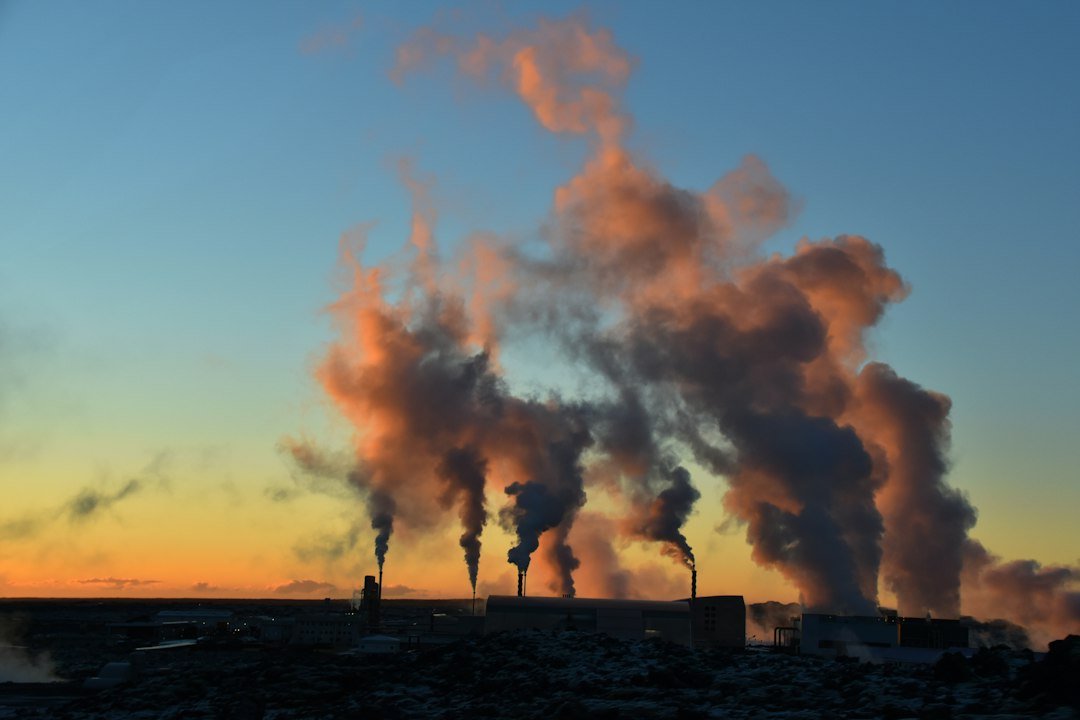
Featured image: Geothermal generation in Iceland, shown for context; this is a different facility from Cape Station. Photo: Sam Bark / Unsplash.
Leave a Reply