
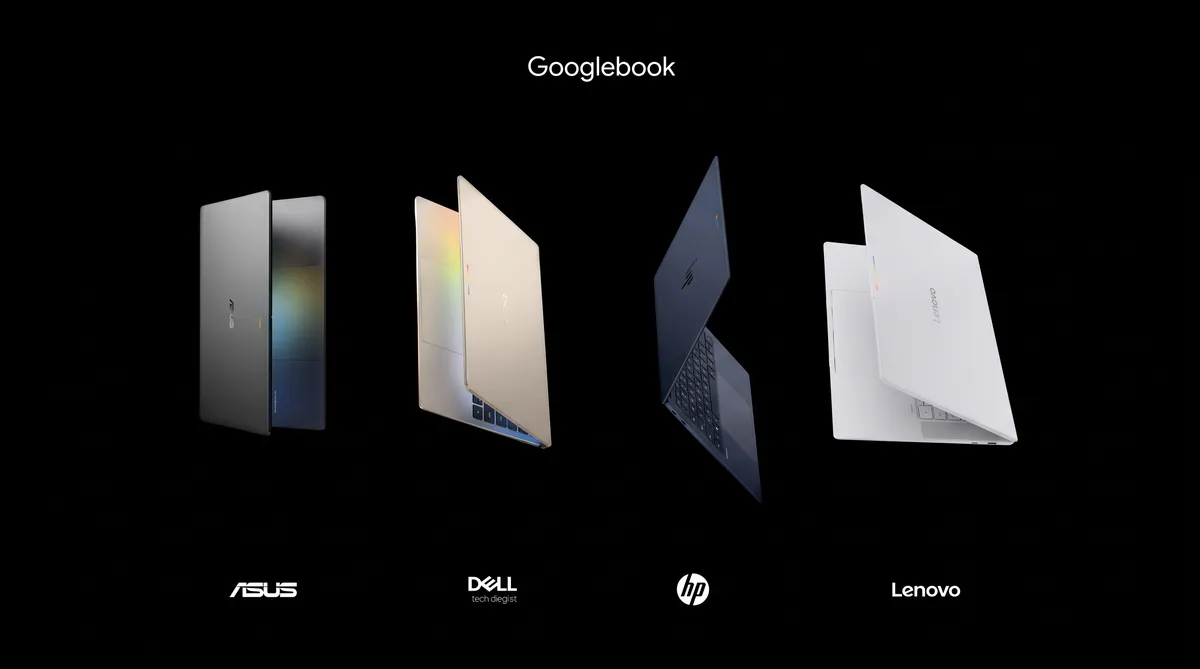
Your next laptop may make its strongest pitch through the phone already in your pocket. The Googlebook Australia launch is built around that idea: make an Android phone and a full-size computer feel like parts of the same working environment.
Google announced on 21 September 2026 that Australian Googlebooks will reach shelves on 5 October, starting at A$2,299 recommended retail price. Its local lineup includes ASUS, Dell, HP and Lenovo. These are announced premium computers, with retail availability still ahead at the time of writing. Google Australia’s launch details set out the regional price and requirements.
The phone connection is the main attraction
The platform combines an Android technology foundation with desktop features from ChromeOS. Google describes tools for continuing supported tasks from a phone, opening phone files on the laptop and streaming phone apps into desktop windows. Those continuity features require setup and an Android 17-or-later phone.
Gemini also moves closer to the desktop. Magic Pointer brings AI interaction to on-screen content, while Rambler turns spoken thoughts into structured writing. These are Google’s announced capabilities, not results from an independent FutureTechDose hands-on test. Availability and compatibility conditions apply.
The appeal is easy to understand: fewer small interruptions between devices. The test will be whether that convenience persists through a normal day involving awkward attachments, specialist software, poor connectivity and tasks that do not fit a polished demonstration.
Premium hardware raises the expectations
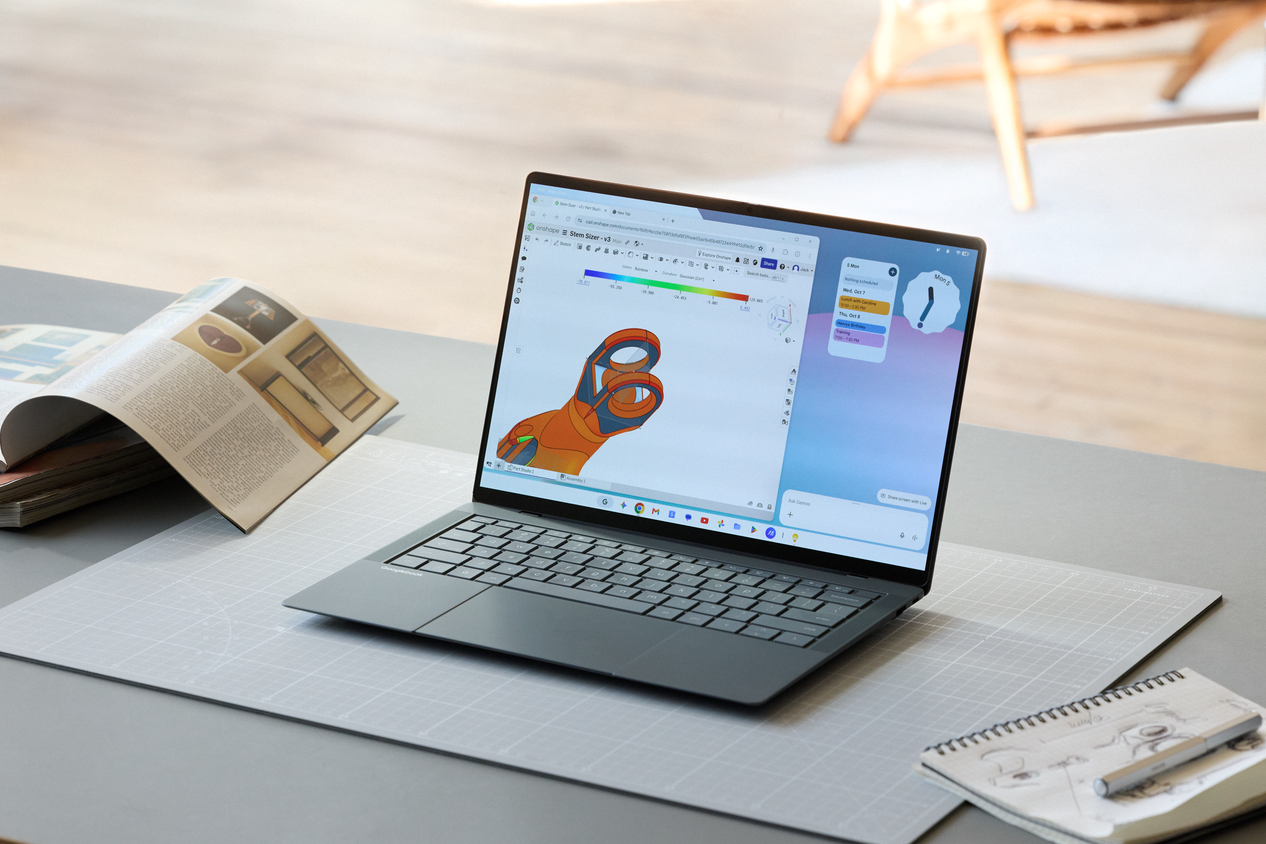
Google’s global hardware overview describes Intel Core Ultra Series 3 and Snapdragon X Elite options, haptic trackpads and a return of the exterior Glowbar. Different partners emphasise different sizes and designs. Regional availability and individual model specifications matter more than treating the range as one machine.
ASUS provides an example of the ambition. Its Googlebook 14 announcement lists a starting weight of 0.99kg, a 14-inch 3K OLED panel and configurations with up to 64GB of memory. Its battery-life figures are manufacturer claims that still need testing under comparable real-world workloads.
Our view is that the premium price makes software confidence especially important. A fast chip and a sharp display cannot settle whether a particular work application, accessory or game behaves as its owner expects.
The competition is for your everyday workflow
Google promises updates for up to ten years and bundles eligible purchases with a limited Google AI Pro offer. The subscription terms deserve attention: an introductory inclusion does not make a paid service free forever.
For readers following Gemini’s move onto the desktop, Googlebook is a larger bet. Google is putting its phone ecosystem, software and laptop partners together around one experience.
The October launch will begin answering the important questions: app compatibility, everyday battery life, privacy controls and how much of the promised convenience survives outside a launch presentation. Until then, this is a compelling new platform proposition rather than a tested winner.
Featured image: Google’s announced Australian Googlebook lineup. Product image: Google. Credit: Google.
Leave a Reply