
Hubble is waiting for a cosmic replay. Supernova Athena, first discovered with the James Webb Space Telescope in 2025, is expected to appear again because its light has more than one route to Earth. The star does not need to explode a second time.
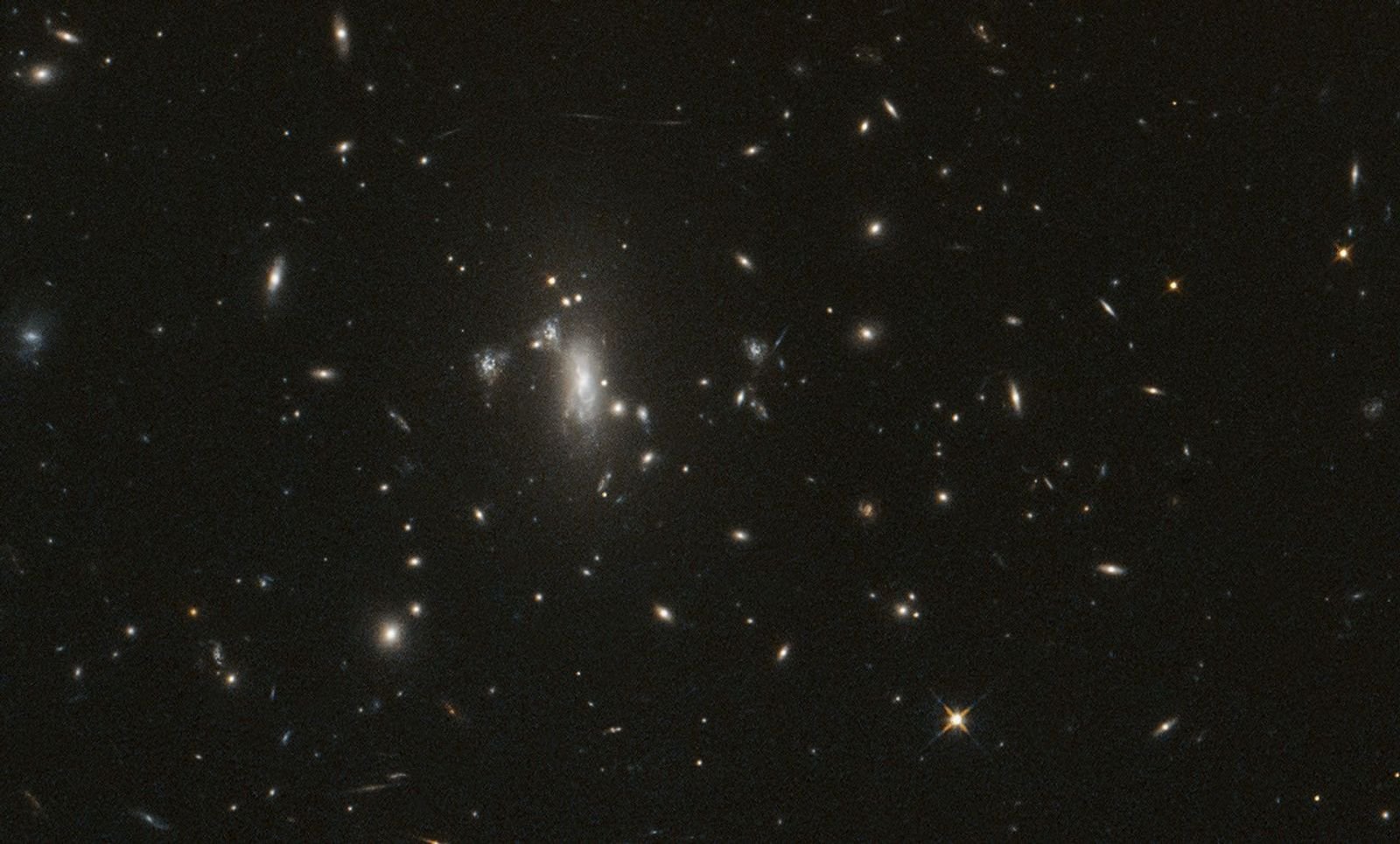
In a 23 September 2026 update, NASA described monitoring of the foreground galaxy cluster MACS J0417. Athena’s predicted reappearance falls between now and early March 2027. That is a forecast window, not an announcement that the returning image has already been detected.
The universe can delay its own light show
A massive object bends the paths taken by light from objects behind it. This effect, gravitational lensing, can magnify a distant source and produce multiple images. The foreground cluster acts as a natural lens, although it does not behave like a neatly manufactured piece of glass.
As NASA explains in its overview of gravitational lenses, light from the same object can travel along different paths. For a changing source such as an exploding star, those paths can deliver different stages of the event at different times.
A useful analogy is sending the same message by routes with different travel times. The later arrival is old information reaching you through another route, rather than a second message created at the destination. The analogy is imperfect, but it captures why the word reappearance is so important here.
The delay is part of the measurement
NASA says timing Athena’s appearances can help researchers map the mass of the foreground cluster and refine measurements of the universe’s expansion. The observation must be interpreted alongside a model of the lens. The delay alone is not a standalone answer to cosmology.
That dependence is what makes a predicted return interesting. The researchers have a window to watch and a physical model to test against what actually arrives. A detection, its timing and the quality of the measurements can all help constrain the explanation.
Our reading is that the appeal lies in turning a distortion into an instrument. The cluster complicates the image, but the complication contains information. Astronomy often advances by learning how to measure an effect that initially looks like an obstacle.
An old telescope still has new work
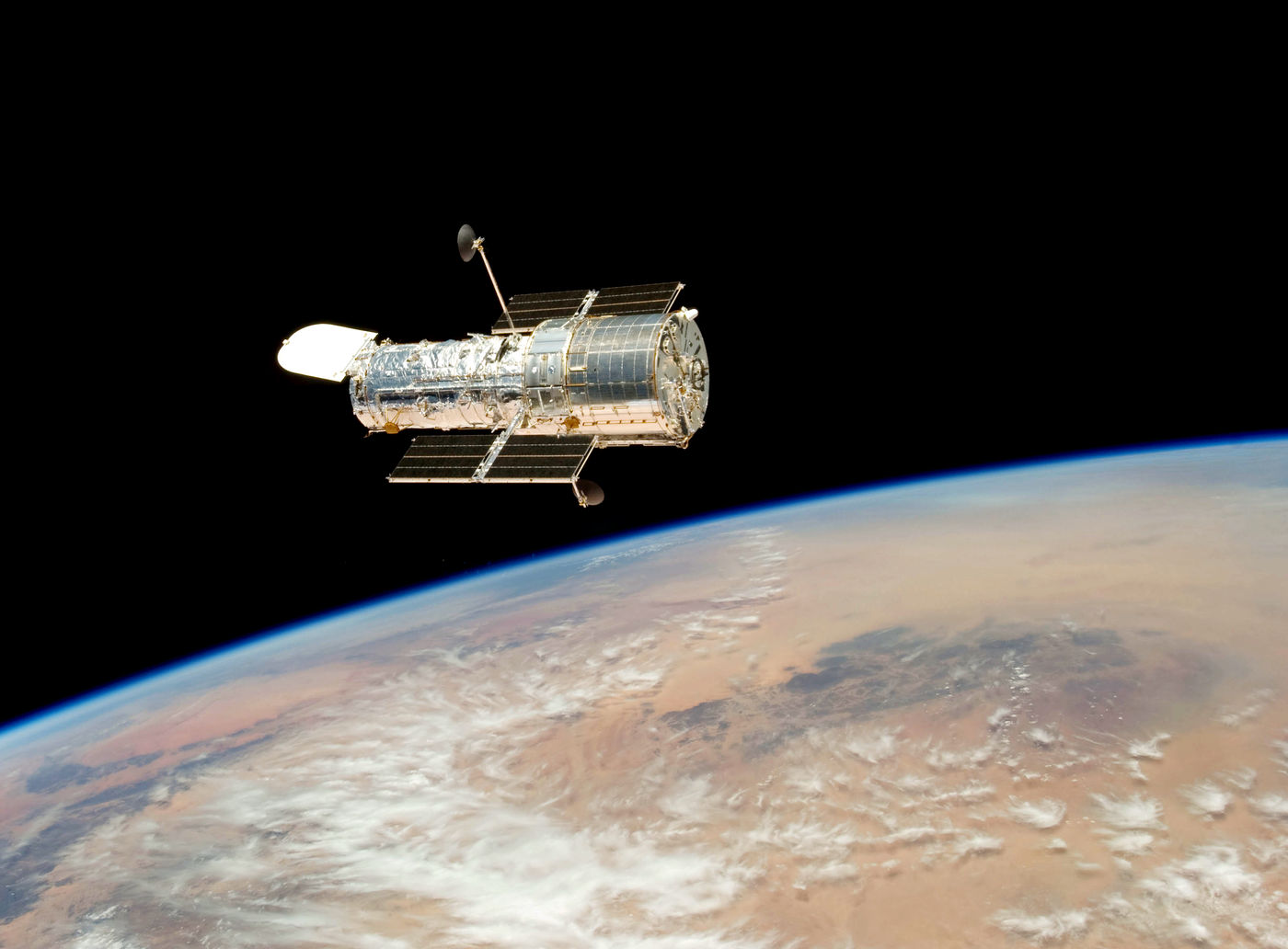
Hubble completed its 200,000th orbit on 19 September. NASA’s milestone image release connects that anniversary with the continuing Athena search.
The best reason to follow this story is the observation still to come. A precisely watched patch of sky could deliver another view of an explosion already seen, with the timing carrying as much scientific value as the image.
For more on discoveries that challenge everyday intuition, explore our physics and universe coverage. Athena is a reminder that seeing an event is also seeing the journey its light took to reach us.
Featured image: MACS J0417, the foreground galaxy cluster used to monitor for Athena’s return. This image does not announce a new detection of the predicted reappearance. Credit: NASA, ESA, STScI, M. Pascale (UCLA); image processing: J. DePasquale (STScI).
Leave a Reply