

A fast phone is easy to appreciate for a few seconds. A phone that stays fast through a long game, a video shoot or an afternoon away from a charger is a tougher engineering problem.
MediaTek unveiled its Dimensity 9600 Pro on 15 September 2026. The flagship processor uses a 2nm manufacturing process, with the first phones expected during the third quarter of 2026. MediaTek announcement
It is a promising starting point for an assessment. A finished verdict on a handset takes more evidence.
The upgrade that matters after the benchmark ends
A smartphone has a shared power and heat budget. The processor competes with the display, modem, cameras and other components for battery energy. A chip can therefore improve substantially without delivering an equally large improvement in the number of hours a whole phone lasts.
MediaTek’s most dramatic CPU claim is a 61% reduction in multi-core power consumption in its test conditions. That does not establish 61% longer battery life. Nor does it describe every workload a user might run. MediaTek’s performance claims and testing footnote
The broader manufacturing shift is real. TSMC says its N2 process entered volume production in late 2025 and uses nanosheet transistors. These give designers another way to improve the relationship between performance and energy use. A manufacturing generation still cannot tell us, by itself, how well a finished phone performs. TSMC’s 2nm technology overview
For readers following the Android-versus-iPhone debate, that distinction is useful. Comparing chips on a slide is different from comparing two phones at the same brightness, doing the same task, for the same length of time.
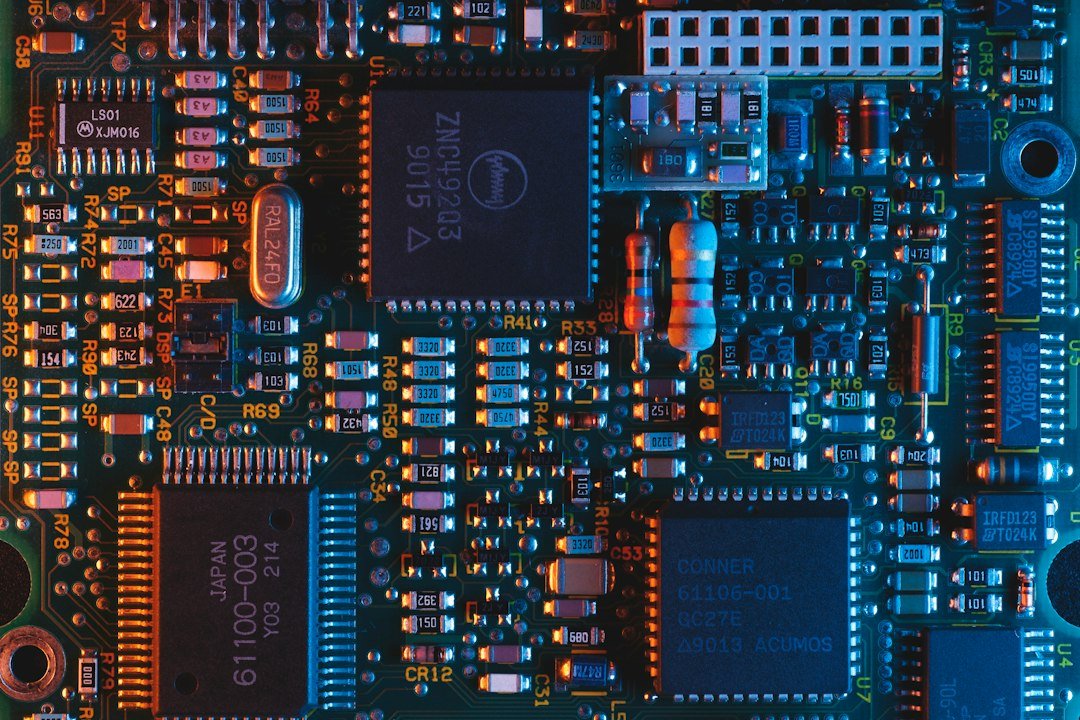
Phone AI needs more than a bigger number
Its dual-NPU design pairs processors specialised for neural-network calculations: a powerful unit and a more efficient unit for lighter, persistent AI work. MediaTek
Our reading is that this division of labour could matter more than a spectacular demonstration. An occasional task can tolerate a burst of power. Features expected to remain available throughout the day have a different energy problem.
Memory also deserves attention. Micron’s explanation of mobile LPDDR5X memory highlights rapid data access as important to on-device AI, imaging and demanding applications. More computing power cannot automatically remove a bottleneck elsewhere in the system. Micron’s mobile-memory explanation
The most revealing reviews will therefore measure sustained performance, temperature, battery use and the usefulness of the software that actually ships. A higher peak score would be welcome. A phone that delivers its cleverest features reliably, without becoming hot or exhausting its battery, would be a more persuasive upgrade.
Featured image: Representative Android smartphone, not a newly announced Dimensity 9600 Pro handset. Denny Müller / Unsplash.
Leave a Reply