
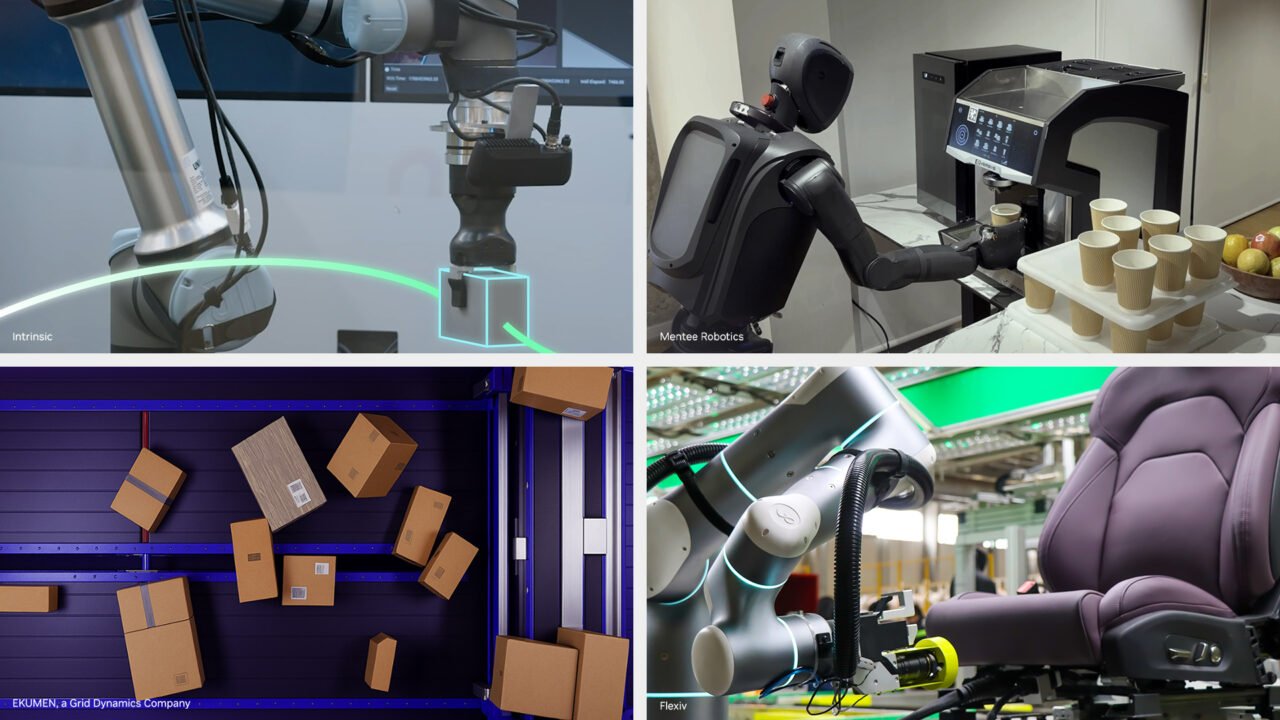
A robot can recognise a cup in a demonstration and still be painfully difficult to turn into a reliable product. Cameras, motion planning, software dependencies and physical hardware all have to cooperate.
Isaac ROS 5.0 is Nvidia’s latest attempt to make that engineering work easier. Its release notes are dated 21 September 2026, followed by a broader announcement at ROSCon on 22 September. This is a released robotics software update, rather than an announcement that general-purpose autonomous robots have arrived. Nvidia’s release notes document the changes.
The AI assistant moves into the robot workshop
Isaac ROS is a collection of accelerated software packages built around ROS 2, the framework many developers use to connect a robot’s different systems. Nvidia’s announcement highlights AI agent skills intended to assist with setup and robotics development, alongside perception tools that help machines interpret their surroundings. The company’s launch article describes the approach.
The useful distinction is between helping an engineer create a robot and giving that robot independent judgement. A coding assistant can help configure software without understanding every hazard a moving arm might encounter. Better development tools shorten one part of the journey; they do not complete the entire safety case.
Nvidia also highlights improvements to FoundationPose, which estimates an object’s position and orientation, and FoundationStereo, which derives depth from paired cameras. Its performance figures are vendor claims tied to particular components and setups, not measurements of every robot’s overall productivity.
A factory example makes the ambition tangible
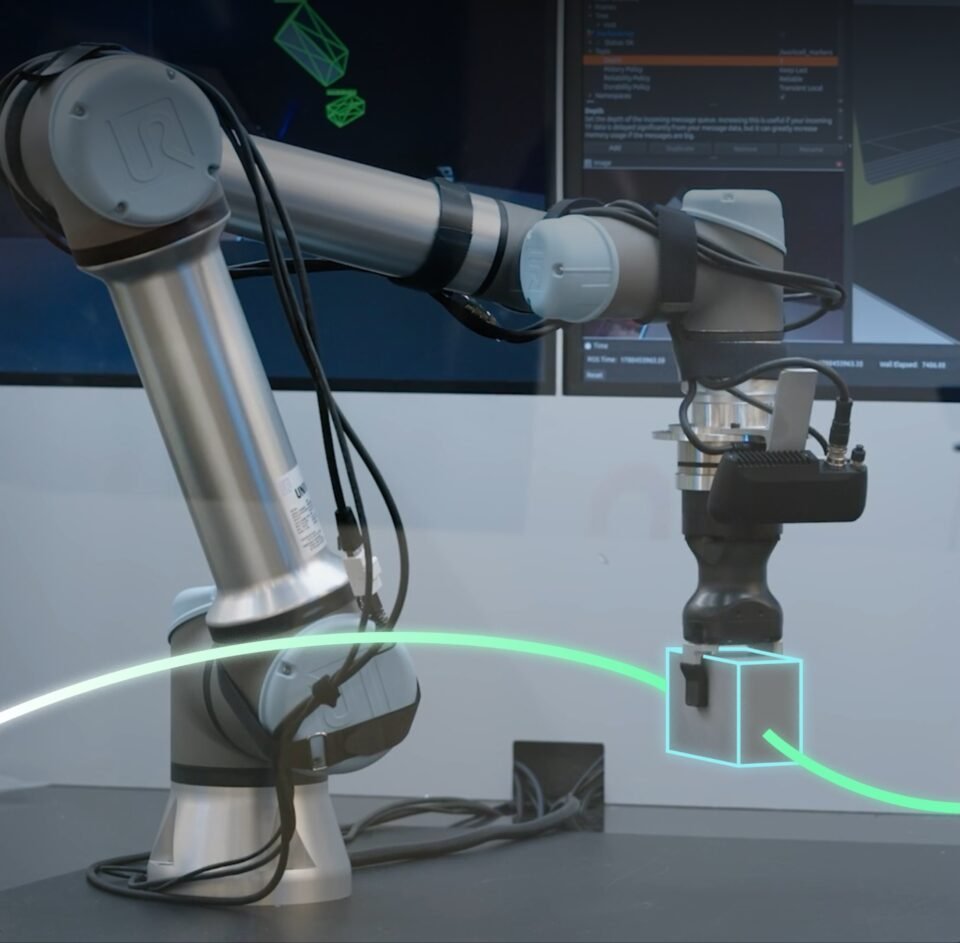
Intrinsic’s Open Machine Tending Solution offers a concrete example of the surrounding ecosystem. Its public repository describes a reference application for loading and unloading industrial machinery, including perception, gripper control, movement and error handling. It integrates Nvidia FoundationPose and provides a simulated counterpart of the work area. The project documentation shows what is actually included.
That example is more revealing than a vague promise of a robot that can do anything. A factory task has a specific sequence, known equipment and measurable failures. Engineers can ask whether parts are positioned correctly, whether recovery works after a missed grasp and how much intervention a shift requires.
The release notes keep the claims grounded
Version 5.0 moves to ROS 2 Lyrical and changes how accelerated components exchange data. Existing applications that use older NITROS interfaces directly require migration. Nvidia also lists camera and platform limitations, including some workflows with lower preprocessing performance than the preceding release. Faster development does not mean a trouble-free upgrade.
For Nvidia, the strategic attraction is clear: useful software encourages developers to build around its computing platforms. For robot makers, the judgement is more practical. Time saved on integration matters only if the resulting system remains dependable when lighting changes, parts vary or people enter the work area.
The next meaningful robotics milestone may therefore look less like a dramatic stage performance and more like an ordinary machine completing another uneventful shift. Isaac ROS 5.0 is aimed at the engineering that could make that possible.
Related: Robots that learn a task from a demonstration.
Featured image: Nvidia promotional artwork for Isaac ROS robotics software. Credit: NVIDIA.
Leave a Reply