
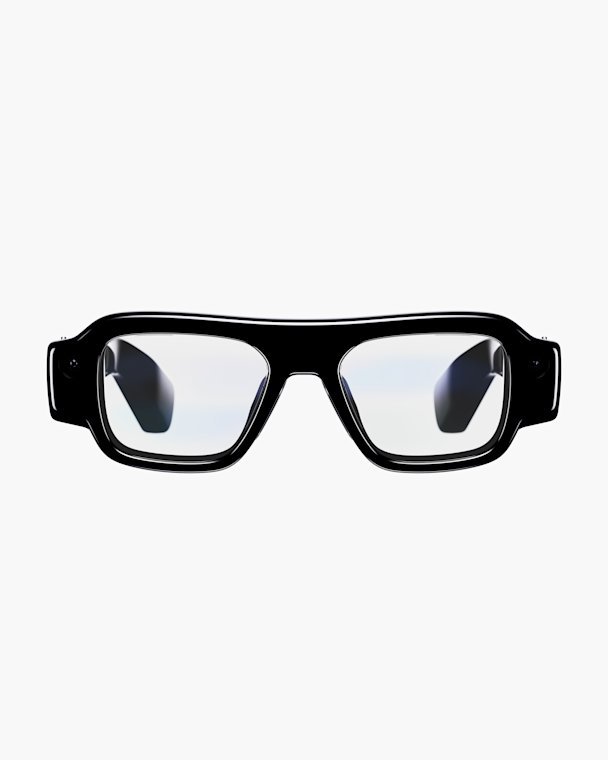
SPECS augmented reality glasses. Official product image from Snap. Credit: SPECS / Snap.
Snap Specs AR glasses are making a pitch that is easier to picture than another virtual meeting room: a technician looks at a machine, keeps both hands free and sees the information needed to fix it.
Following its 16 September 2026 launch, Snap is targeting businesses with partners including Salesforce and Nvidia. Reuters reported a US$2,195 price, putting these glasses in a very different purchasing conversation from an inexpensive pair of everyday earbuds. Launch reporting
The appeal is the screen’s location. Augmented reality places digital information over a view of the physical world. Instead of looking down at a separate display, a worker could keep instructions close to the thing they are doing.
What Snap Specs AR glasses bring to work
Snap describes Salesforce Agentforce integration for viewing guidance, acting on business information and updating records hands-free. Nvidia’s role centres on AI that can interpret the surrounding environment and provide spatial guidance.
A particularly understandable example comes from Trifork. Its proposed workflow lets an on-site technician share a first-person view with remote experts, who can identify components and add visual annotations. These are partner capabilities and commercial pitches; they are not independent measurements of how much faster a real workforce becomes. SPECS enterprise details

Imagine a repair that currently involves putting down tools, unlocking a phone, finding a diagram and returning to the equipment. Removing those interruptions could be valuable. But that is an illustrative use case, not a productivity result from a controlled trial.
A computer you have to want to wear
Snap’s specifications list a 51-degree field of view and frame weights of 132 or 136 grams, depending on size. Those numbers help describe the device; they cannot tell a buyer whether it will remain comfortable through a working day.
The official site currently lists preorders in the US, UK and France. A refundable deposit does not amount to a confirmed shipping date, and the listed markets do not establish Australian availability. Official specifications and preorder information
Fit, prescription support, legibility, battery arrangements and the demands of an actual job will matter more than a polished demonstration. A warehouse and a quiet office are very different tests.
The assistant is part of the product
Snap also describes SPECS Intelligence as an assistant that connects information across apps. It says users control access permissions and must approve actions. Its early-access information describes an initial US rollout on iOS and Mac; the glasses are not required to try that separate assistant experience. SPECS Intelligence
Those controls deserve close attention in a workplace. A hands-free interface may be convenient for the wearer while raising questions about what colleagues, customers and confidential surroundings are being captured.
For now, the strongest case for Specs is a specific task where information is needed and a hand-held screen is awkward. The meaningful test will be sustained use on real jobs—with fewer mistakes and less friction, rather than simply more information floating in front of someone’s eyes.
The broader shift also connects with local AI on personal computers: useful AI needs a place in everyday work, not just an impressive demo.
Leave a Reply