
A large energy project can win support and still take years to become a working asset. Financing is one of the steps that turns a proposal into a credible delivery programme.
On 2 October 2026, Atmos Renewables and its owner, Igneo Infrastructure Partners, announced financial close on two Australian projects: the 400 MW / 1,600 MWh Teebar battery in Queensland and the 470 MW Parron Maam Marang wind farm in Western Australia. Both are supported by the federal Capacity Investment Scheme. Atmos’s announcement
Financial close marks a financing milestone. It does not mean either project is already generating or dispatching electricity. Their practical contribution depends on construction, connection and commissioning.
The battery’s two numbers tell different stories
Teebar’s 400 megawatts describe its planned power rating: how quickly it can supply electricity. Its 1,600 megawatt-hours describe stored energy. Dividing the second by the first gives a nominal four-hour duration at rated output.
That calculation explains the scale; actual operation will also depend on the battery’s charge, operating limits and losses. A four-hour battery can shift substantial energy across part of the day, but its duration should not be mistaken for an unlimited supply.
Atmos says Teebar will be located beside Powerlink’s Teebar Creek substation in the Fraser Coast region. Its intended role is to charge when electricity is abundant and release it when demand is higher. Teebar’s location and planned operation
Wind generation fills a different role
Parron Maam Marang is planned for WA’s Wheatbelt and has a long-term electricity purchase agreement with Synergy. Its 470 MW figure describes generation capacity, rather than the amount it will produce continuously. Parron project information; Synergy agreement described by Atmos
The two projects illustrate complementary tasks. A wind farm generates electricity from a variable resource. A battery stores electricity that has already been generated and changes when it is available.
They are separate developments in different electricity systems. Combining their capacities in a company headline does not mean Teebar will store Parron’s output or that the pair forms one operating facility.
Revenue support helps, but delivery still matters
The Capacity Investment Scheme provides long-term revenue underwriting to reduce financial risk for renewable generation and clean dispatchable capacity, including batteries. The Department of Climate Change, Energy, the Environment and Water describes it as a revenue safety net intended to encourage investment. Government explanation of the scheme
With an earlier Merredin battery financing milestone included, Atmos puts its cumulative CIS-backed capacity through financial close at 970 MW. The newly announced pair accounts for 870 MW of that total. Capacity totals and earlier Merredin milestone
Our assessment is that the next useful evidence will be physical: construction progress, grid connection and commissioning results. Financing makes the projects more concrete. Delivering electricity when the system needs it will establish their value.
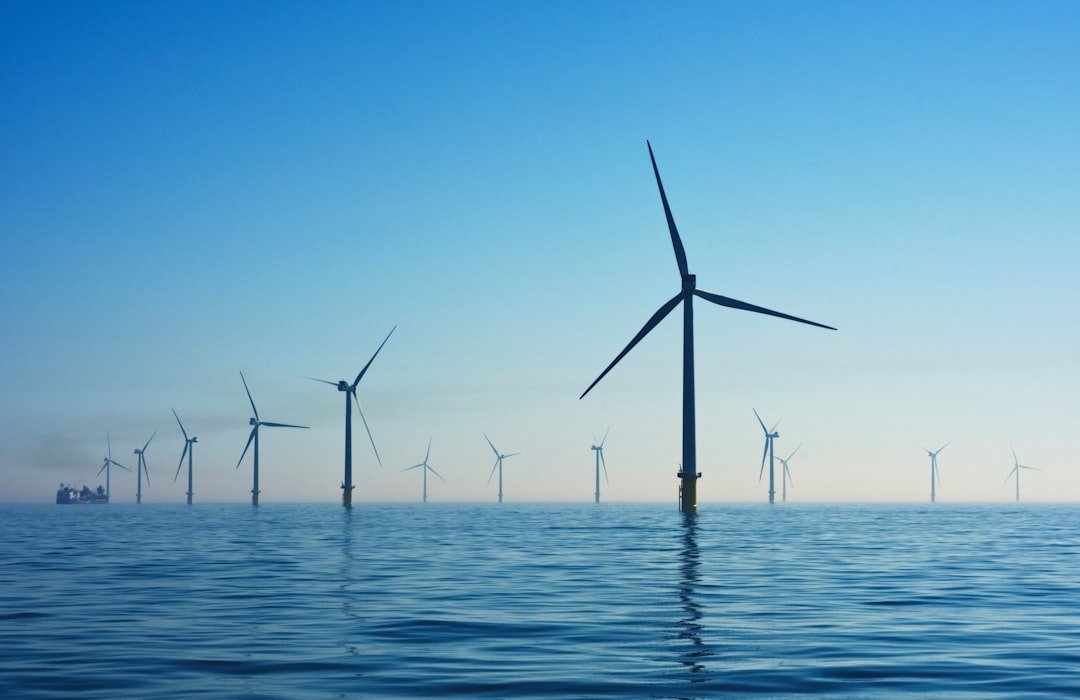
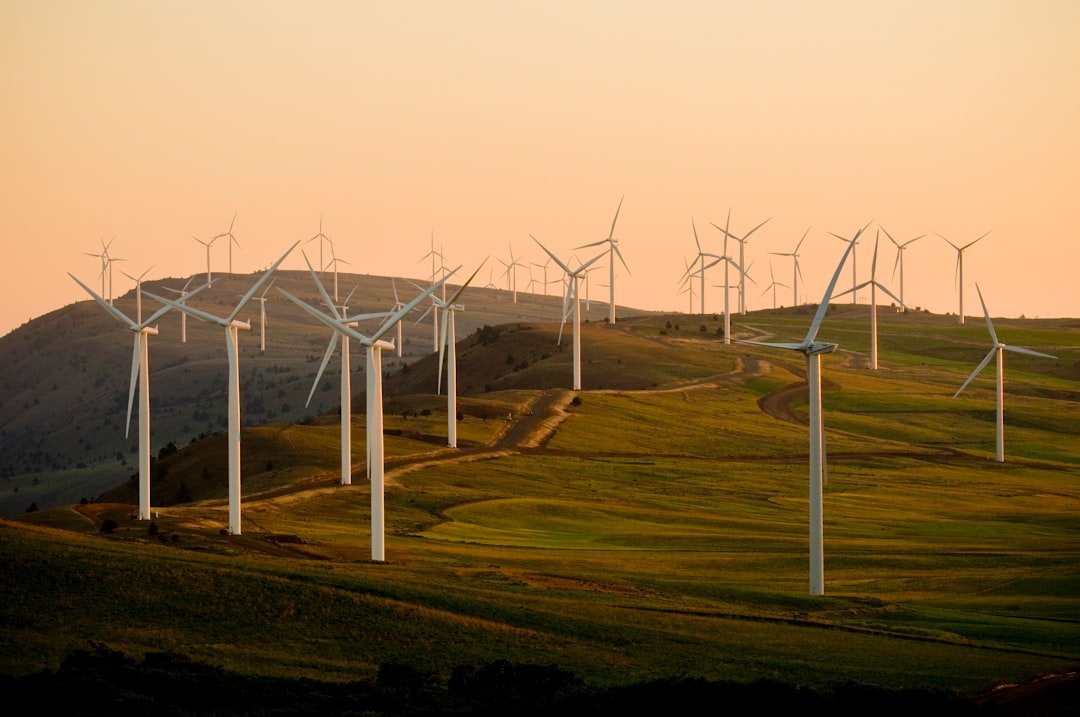
Featured image: Representative wind-farm photograph; not the Parron Maam Marang project. Photo: Nicholas Doherty / Unsplash.
Leave a Reply