
A solar farm can be ready to generate electricity and still have nowhere to send it. That gap between new generation and the network that carries power is becoming a global bottleneck.
The UN Secretary-General launched a Global Grids Accelerator on 23 September 2026, with a public announcement dated 25 September. It will focus on electricity-network priorities chosen by countries in Africa and Southeast Asia, drawing together planning, finance and delivery expertise. The initiative is a coordination programme, not an announcement that particular power lines have already been built or funded. Sustainable Energy for All announcement
The bottleneck after the power plant
An electricity grid includes transmission lines that move large quantities of power over distance and local networks that distribute it to homes and businesses. Building a renewable project is only part of the job. It also needs an available connection, a route to consumers, and a network able to cope with changing supply and demand.
The initiative’s backers say more than 2,500 gigawatts of renewable projects are stalled in connection queues worldwide. That is a global queue estimate, not a forecast of how much capacity this programme will unlock. They also say annual grid investment of about US$450 billion needs to rise by around half by 2030. Grid figures and scope
Turning plans into projects
In Africa, the accelerator is intended to work with existing continental power plans and national energy initiatives. In Southeast Asia, it will support priorities including the ASEAN Power Grid and cross-border electricity trade. UN agencies and Sustainable Energy for All will convene governments, development banks, utilities and technical partners around specific proposals. Regional plans and partners
The practical steps can include agreeing on routes, rules and costs, preparing a project that financiers can assess, and organising construction capacity. Cross-border links also require countries to settle questions such as pricing and operation on both sides of a border.
The test will be measurable delivery: funded projects, completed connections, reliable supply and electricity access. The accelerator could help close the gap between ambition and construction, but its announcement alone does not guarantee any of those outcomes.
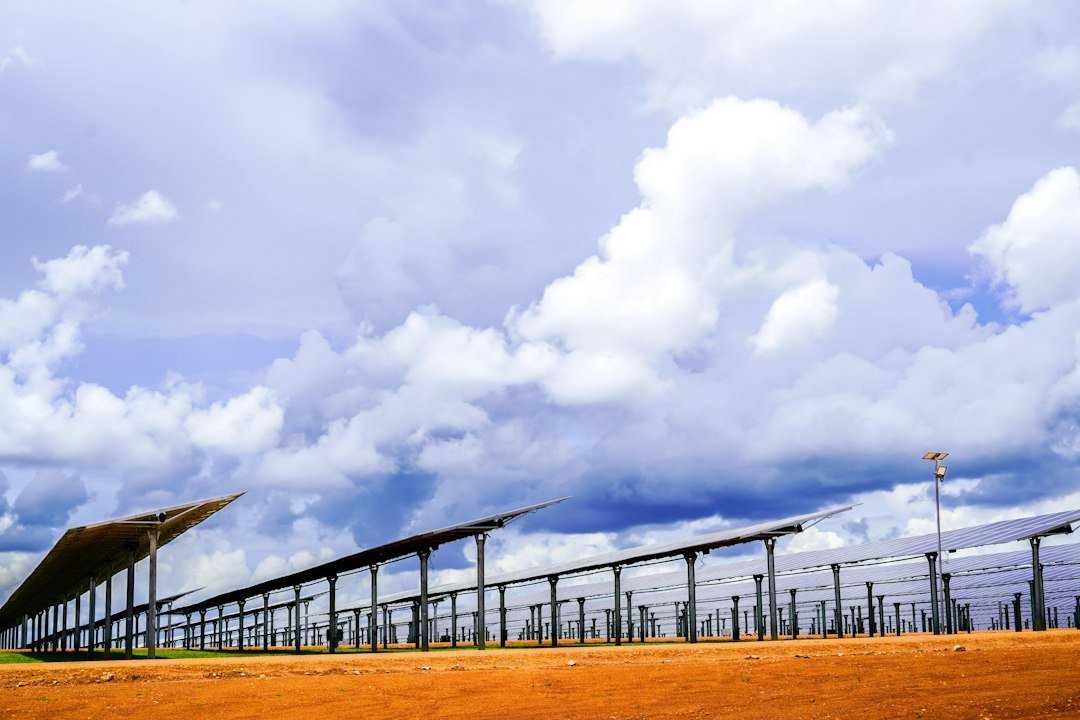
Featured image: representative image by Sikwe Scarter / Unsplash. It does not depict the specific study, facility or equipment described.
Leave a Reply