
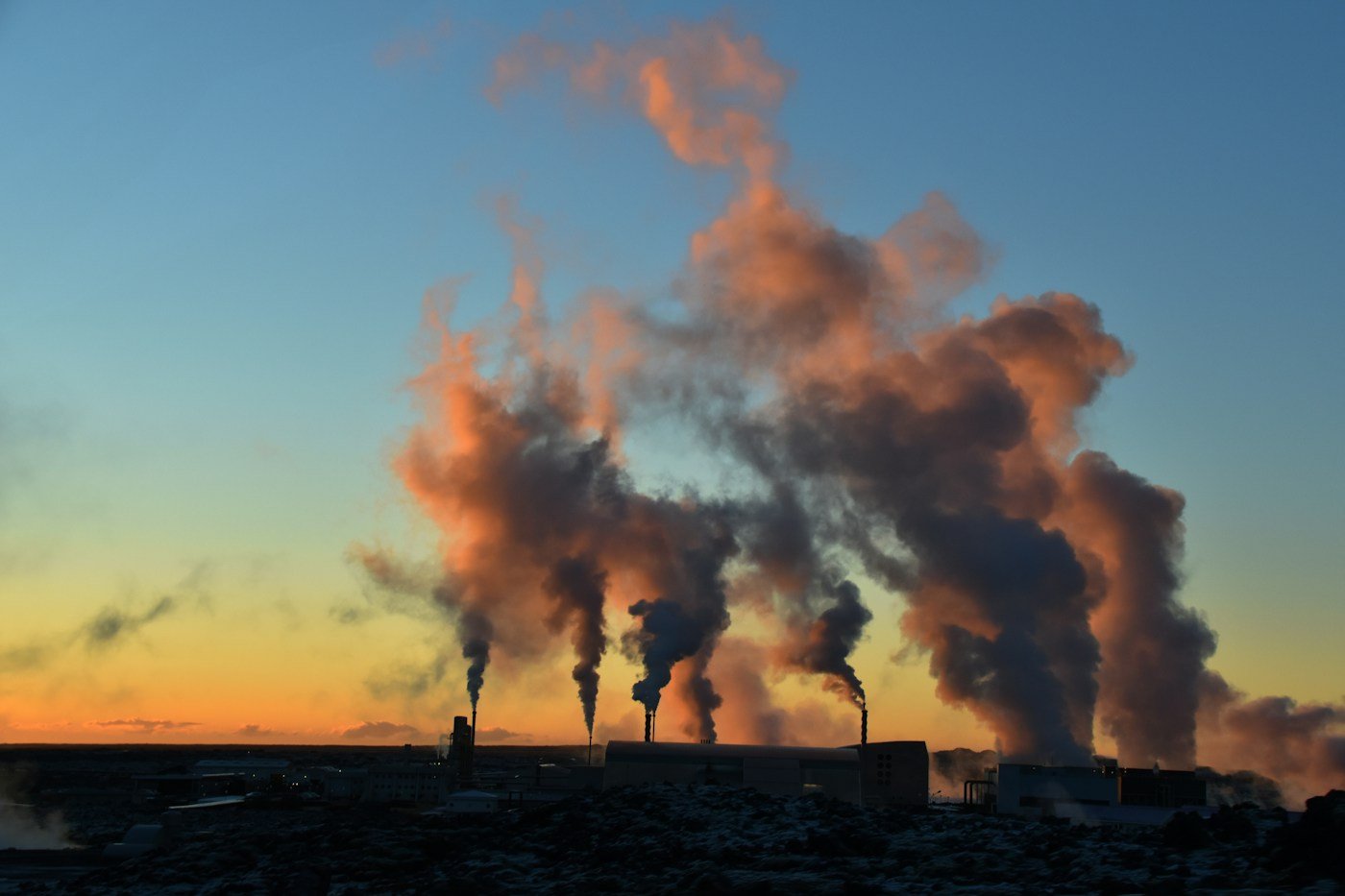
These new geothermal field tests arrive as the energy debate usually focuses on what we can see: solar panels, wind turbines, batteries and cooling towers. One of the most interesting bets is on something much less visible—the hot rock underneath them.
On 21 September 2026, the US Department of Energy announced a geothermal programme worth more than US$99 million, selecting 21 projects for field testing and exploration. Its purpose is to establish where promising underground resources exist and whether new engineering approaches can use them. These are selections for award negotiations, not confirmation that all the money has been paid out or that new generating capacity is online. DOE announcement
The distinction is the story. Finding heat is not enough. Developers need to turn it into a dependable, affordable flow of electricity.
Five field tests and sixteen searches for evidence
The programme combines five enhanced-geothermal field tests with sixteen exploration-drilling projects. That separates two important tasks: proving an engineering method and checking whether a particular underground resource is suitable. DOE project selections
One of the more demanding proposals comes from Quaise Energy. Its Oregon demonstration, on the southern flank of Newberry Volcano, targets temperatures of 265–365°C at the bottom of the well. DOE says this exceeds the range in which most conventional enhanced-geothermal tools and materials have been validated.
Fervo Energy’s Idaho project includes wells and a high-temperature seismic-sensor array designed for conditions of at least 200°C. Zanskar’s New Mexico proposal would use a horizontal injection well to support an existing geothermal reservoir and access nearby hot rock. These are different approaches, not twenty-one copies of one design. DOE’s descriptions of the proposed projects
Hot rock needs a route to the surface
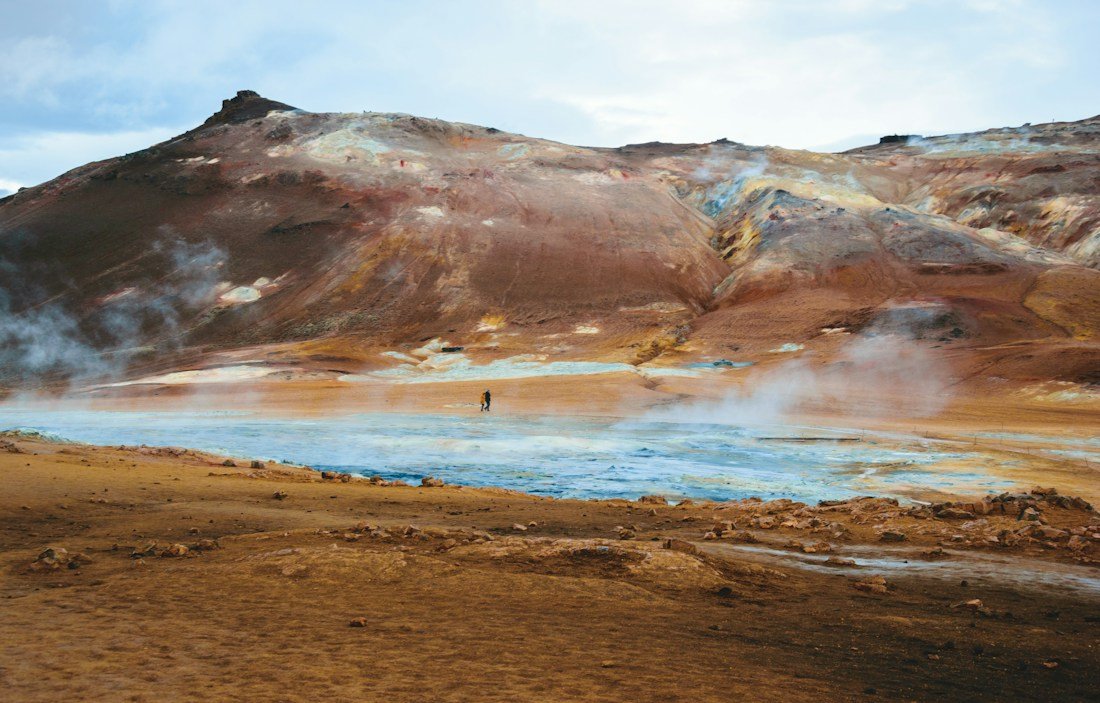
Conventional geothermal generation relies on a useful combination: heat, underground fluid and rock through which that fluid can move. The last property is called permeability.
Enhanced geothermal systems, or EGS, aim to make more locations usable. Operators inject fluid under controlled conditions to open or reopen fractures in hot rock. Fluid can then circulate, collect heat and carry it back to the surface for electricity generation. It is an engineered underground heat exchanger, rather than a search for fuel to burn. DOE’s explanation of enhanced geothermal systems
But a hot reservoir is a harsh workplace. DOE identifies well construction and the performance of casing, cement and monitoring equipment at high temperatures as important challenges. A successful test must demonstrate more than an impressive thermometer reading. DOE’s well-construction overview
Why the power industry cares
Geothermal’s attraction is that its heat source does not disappear at sunset or during calm weather. It can complement weather-dependent generation, rather than simply compete with it.
The International Energy Agency’s 2024 geothermal assessment identified technology companies seeking electricity for data centres as an emerging source of interest. It also stressed that next-generation geothermal costs remained relatively high and that substantial reductions would be needed. That is background analysis, not a new prediction arising from this week’s funding announcement. IEA assessment
FutureTechDose previously covered Google’s geothermal agreement with Fervo. The new federal programme addresses a different part of the story: collecting the field evidence needed before more projects can make convincing commercial promises.
The most valuable result may be the data
DOE says information generated by the projects will be made public through its Geothermal Data Repository. That gives the programme potential value beyond the individual development sites: other teams could learn from the measurements instead of relying only on promotional claims. Funding negotiations can still fail, however, and selection does not guarantee an award. DOE announcement and funding conditions
Our assessment is that this makes the initiative worth watching for its evidence, not just its dollar figure. Temperature measurements, sustained fluid circulation and equipment performance would tell a more useful story than another headline about theoretical energy potential.
There are broader hurdles, too. DOE highlights upfront exploration costs, financing, land access and permitting as barriers. A promising well does not eliminate the work of developing an acceptable, viable project around it. DOE geothermal FAQs
America has not announced twenty-one new geothermal power stations. It has selected twenty-one attempts to answer questions that stand between promising geology and useful infrastructure.
For a technology built around something as ordinary as hot rock, those practical answers could be the most consequential part.
Featured image: geothermal energy production in Iceland, shown for context. Photo: Sam Bark / Unsplash.
Leave a Reply