
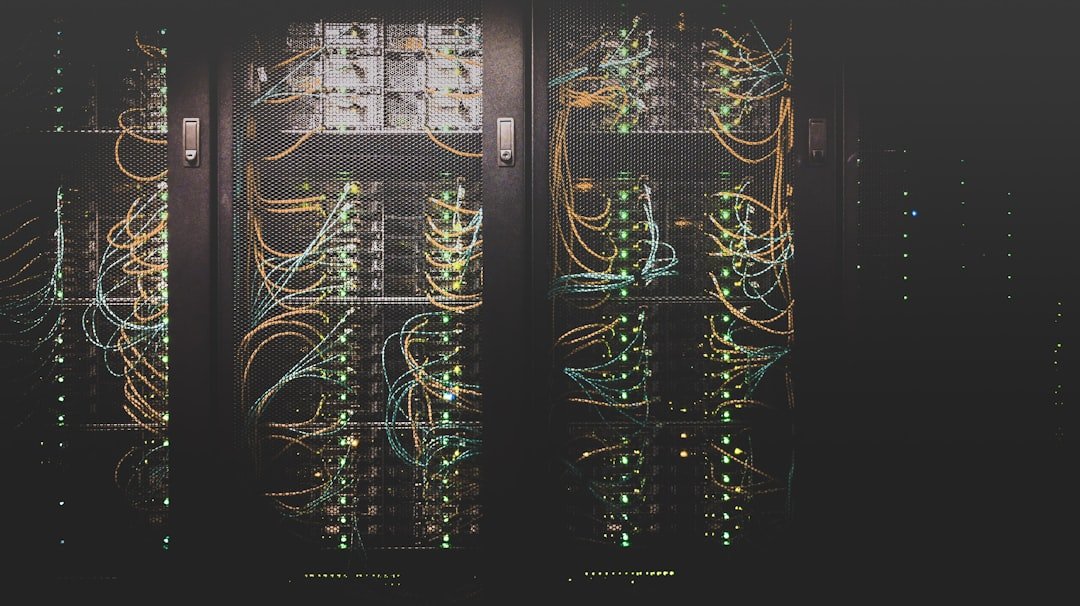
A new data centre can look like an ordinary industrial building from the road. Its effect on the electricity system can be much larger. Servers run around the clock; cooling systems keep them working; and a single large development may require new grid equipment before it can connect.
On 22 September 2026, Victoria released a plan that puts those demands closer to the centre of the approval process. Future data centre developers are expected to invest in new renewable generation and storage to offset their actual electricity use. They would also pay the connection costs and network upgrades directly caused by their projects. Victorian Government, Sustainable Data Centre Action Plan
That is a substantial shift in emphasis for the infrastructure behind AI, streaming, banking and cloud services. It also raises a simple question: what does it really mean for a data centre to “bring its own power”?
New demand should bring new supply
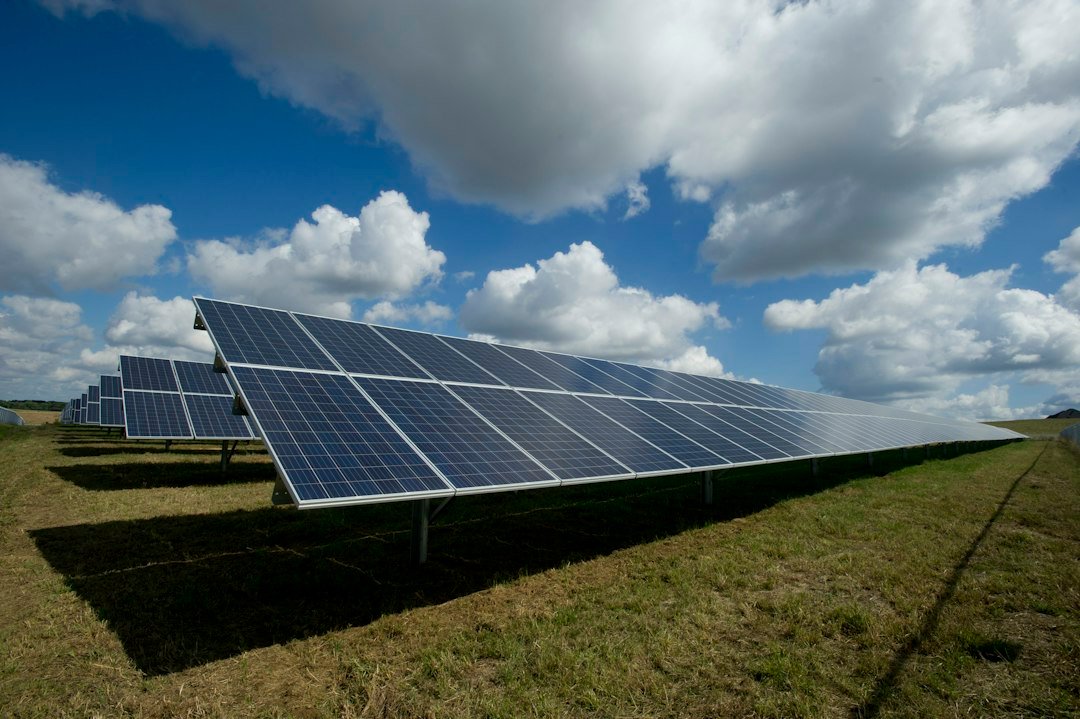
The plan’s energy requirement says operators should offset their actual operational electricity use by investing in new renewable power and storage. The word new matters. Purchasing a claim on electricity from a solar or wind project that already exists would not, by itself, add capacity to meet a growing load. This is our interpretation of the plan’s stated aim to match new demand with new generation. Action Plan, energy requirement E1
The government also wants developers to cover grid-connection works and any network upgrades their projects make necessary. It calls for data centres to take part in electricity-demand flexibility where commercially and technically possible. That could mean shifting suitable work away from stressed periods, although the plan does not prescribe one method for every operator. Action Plan, requirements E2–E3
“Bring your own power” is political shorthand. The published requirement concerns investment that offsets electricity use, together with storage and grid measures. It does not say every facility must disconnect from the grid or produce every unit of electricity on its own roof.
Why the timing matters
Victoria’s plan cites Australian Energy Market Operator forecasts that data centres account for roughly 3% of electricity supplied through the National Electricity Market today. Under AEMO’s central Step Change scenario, the share could reach around 6% by 2029–30 and 12–13% by 2035–36. Those later figures are projections, dependent on which proposed facilities actually proceed. Action Plan, data centre demand table
The state is trying to attract investment while asking developers to account for its local costs. Its September announcement also proposed using recycled or other non-drinking water for intensive cooling, keeping new facilities out of residential zones and placing a 150-metre buffer between data centre buildings and homes. Victorian Premier’s announcement, 22 September
These details matter because a data centre is both a digital asset and a physical neighbour. Power, water, noise, land and construction traffic all affect whether a proposed site works for the wider community.
The rulebook is still being completed
The action plan is a government policy framework, with some measures to be implemented through planning and referral processes. It says the detailed rules for compliance, verification and firming of renewable supply (firming means measures such as storage or backup that make variable generation dependable) remain to be finalised alongside Commonwealth standards. The federal legislation is intended for early 2027, and more detailed Victorian siting guidance is planned for 2027. These are stated plans, not completed national rules. Action Plan, overview and next steps
The Victorian Government also says the new rules will not be applied retrospectively to applications already under assessment. Existing projects and the current application pipeline therefore need to be distinguished from new proposals subject to the future requirements. Premier’s announcement
The unanswered test is how closely new renewable supply must match a data centre’s demand in practice. Storage helps, but the result will depend on the final accounting rules, what gets built and when those projects start operating. We cannot yet conclude that the plan will protect household electricity bills or make every new facility run entirely on clean power.
Victoria has made its intention clear: growth in computing should help finance the extra electricity system it needs. Whether that becomes a measurable benefit will depend on implementation and the next wave of project approvals.
Featured image: representative photograph by Taylor Vick / Unsplash. Images illustrate the subject and do not show the specific project or experimental equipment described.
Leave a Reply