

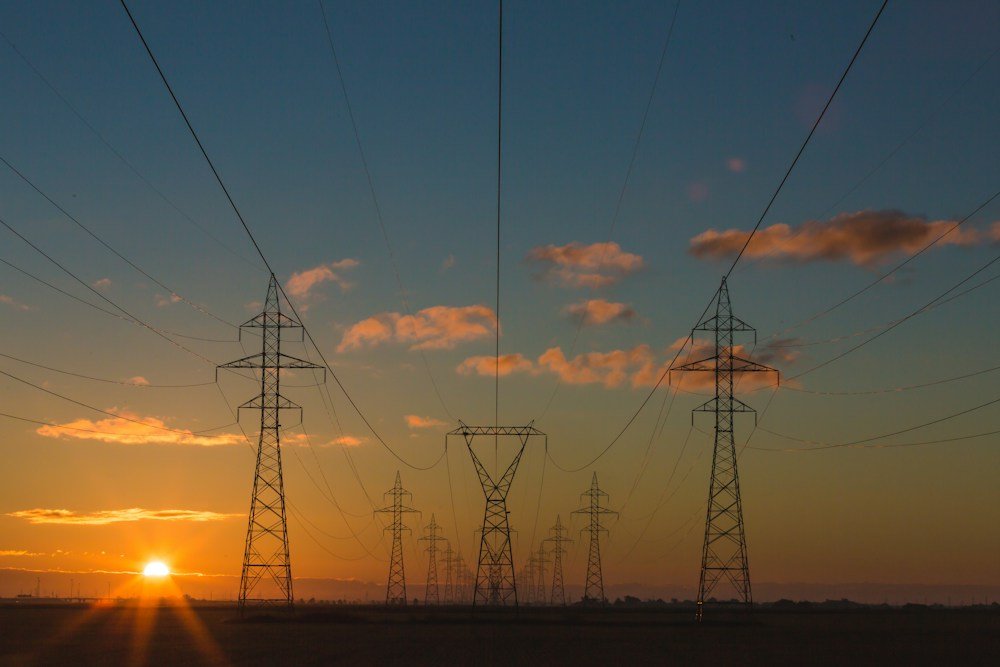
Computing and cooling equipment shown for context, not an AEMA demonstration site. Photograph: Winston Chen / Unsplash.
The next important feature of an AI data centre might be its ability to do less work at precisely the right moment.
On 16 September 2026, Emerald AI, Google and Nvidia announced the AI Energy Management Alliance, or AEMA. It is promoting flexible AI data centres that adjust their electricity demand when the power grid is under strain. The launch is an industry initiative—not a new power station, binding regulation or proof that household electricity bills will fall. Nvidia’s announcement.
A more useful customer for the power grid
Electricity networks have to cope with difficult hours, not only an average day. Think of a hot afternoon when air conditioners are working hard at the same time.
The alliance’s proposed approach gives operators several ways to reduce a facility’s demand on the grid: shift computing work, discharge stored energy, use generation at the site or respond to an emergency signal. The goal is a controllable electricity customer rather than a facility that always insists on the same supply. AEMA’s explanation.
In everyday terms, an electricity connection could come with a credible promise: the facility can use substantial capacity most of the time, but will reliably give some of it back when the wider system needs relief.
Flexible AI data centres are more than an idea on paper
There is already commercial work behind the concept. On 19 March, Google said it had incorporated one gigawatt of demand-response capacity into long-term contracts with utilities in the United States. Its approach can limit or shift a portion of machine-learning workloads to reduce demand at particular times. Google’s earlier announcement.
That figure describes contracted flexibility. It should not be confused with a one-gigawatt reduction happening continuously, or with a power plant generating an extra gigawatt. The amount delivered at a particular moment depends on how the commitments operate.
For AEMA, the next challenge is making this kind of arrangement easier to assess. Its stated priorities include measurable response speed, duration, predictability and emergency behaviour. It also wants clearer technical requirements and cost allocation that reflects a facility’s actual effects on the grid. Alliance priorities.
Turning down peak demand does not erase energy use
Delaying a computing job may simply move its electricity consumption to another hour. A battery can reduce demand at a critical moment but must be charged. Generation at the site also has its own costs and environmental effects.
Those distinctions are important when evaluating the alliance’s claims. Less strain on the grid at peak times is a different outcome from lower total annual energy consumption. Both may be useful, but they should not be reported as the same achievement.
Our assessment is that utilities will need evidence they can rely on during difficult conditions, not just a successful demonstration on a convenient day. A useful agreement must specify how much demand can fall, for how long and what happens if the facility cannot deliver.
A different response to the AI power crunch
We recently examined efforts to get more AI work from each unit of electricity. Demand flexibility tackles a separate question: whether the timing of that work can help the electricity system.
It will not eliminate the need for new generation, transmission or careful planning. But it offers a more interesting conversation than simply asking how many extra megawatts a data centre wants.
The real test is whether large AI facilities can become dependable partners for the grid—and whether the benefits are reflected in actual connection agreements and costs. AEMA has set out the ambition. Delivery will be measured in operating behaviour, not announcements.
Leave a Reply