
Nvidia AI energy efficiency gains start with a practical limit: buying more chips is only useful if you can switch them on.
That is the practical problem behind Nvidia’s latest infrastructure announcement. In results publicised on 15 September 2026, the company described how cloud provider Lambda squeezed more computing into a fixed electricity budget using its DSX MaxLPS power-management software. The reported gain was substantial: 24% more token throughput and 23% better performance per watt. These are partner test results, rather than a universal performance promise. Nvidia announcement
For readers accustomed to comparing graphics cards by frame rate, the useful comparison here is work completed for the electricity available. A token is a small unit of data processed by an AI model, often a word or part of one. Throughput measures how many such units the system handles over time.
More machines without a bigger power allowance
Lambda’s proof of concept used HGX B200 servers. With power controls applied, it ran 19 computing nodes within the budget used by a 16-node baseline. The published case study describes a five-rack test setup and configurable limits on each node’s power draw. It also cautions that production deployments need tuning to balance throughput, response time and stability. Lambda case study
The intuition is straightforward. Imagine a workshop where every machine has been allocated enough electricity for its most demanding moment. If those moments do not all occur together, the workshop may be reserving capacity that could support useful work elsewhere.
Nvidia’s software monitors consumption and adjusts allocations across the system. Its broader argument is that power management should become part of operating an AI facility, alongside the chips, networking and cooling. Nvidia’s AI infrastructure announcement
The attraction is easy to see: an operator might expand output before securing a larger electricity connection. That is an interpretation of the result, not evidence that every data centre has the same spare capacity.
A useful gain with a specific meaning
There are three reasons to read the headline carefully.
First, this is a cluster result. It does not mean a gaming GPU suddenly becomes 24% faster, or that one chatbot answer arrives 24% sooner.
Second, more throughput does not establish better answers. An AI model can process more requests without becoming more accurate.
Third, efficiency and total electricity consumption are different measurements. A business could use the efficiency gain to reduce consumption for a fixed workload. It could also keep using its entire power allowance and serve more customers. The test demonstrates the second opportunity; it does not establish a reduction in society’s overall energy demand.
That distinction connects this story with the larger AI power-supply buildout. Building supply and using existing capacity better can both matter.
For Nvidia, the strategic implication is interesting. Its competitive position increasingly depends on how well the whole installation works, beyond the speed of an individual processor. A rival can compete with a chip. Competing with a carefully tuned combination of chips, software and power controls is a broader engineering challenge.
The next useful evidence will be sustained results across different customers and workloads. For now, Lambda’s test offers a concrete reminder: some of AI’s next capacity gains may come from managing the machines already inside the building.
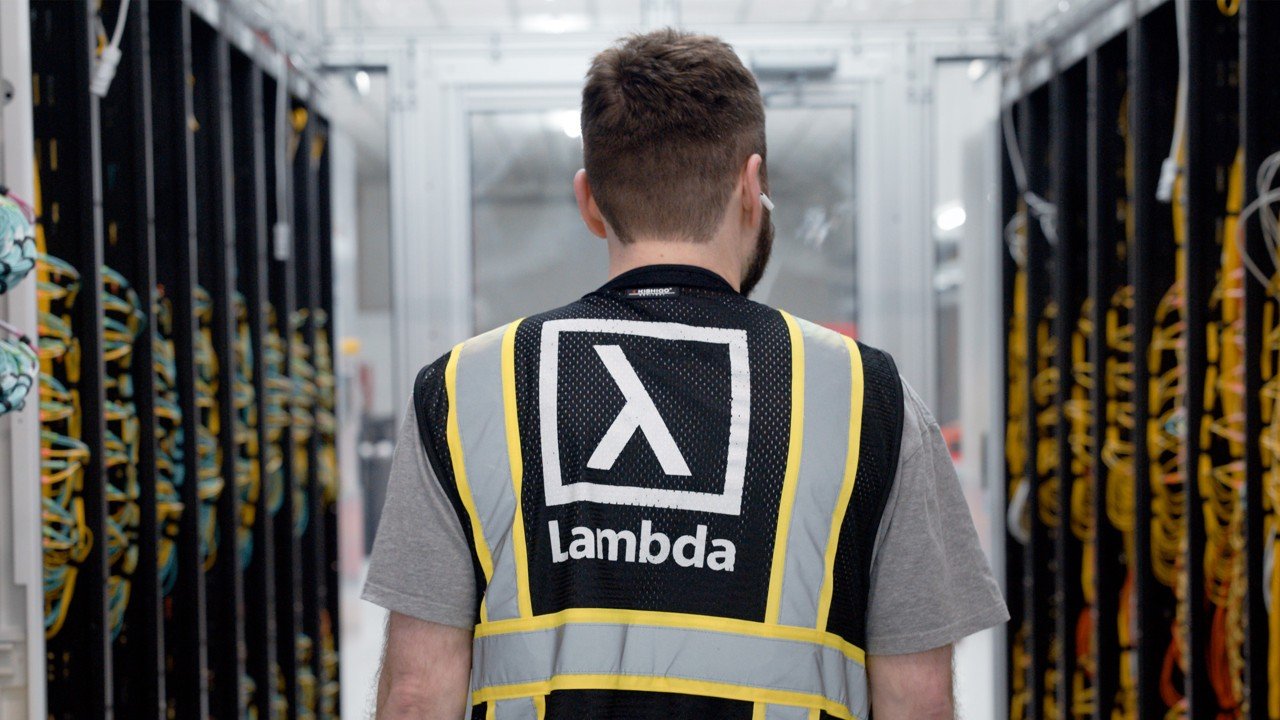
Featured image: Lambda server infrastructure. Image: Nvidia / Lambda.
Leave a Reply