
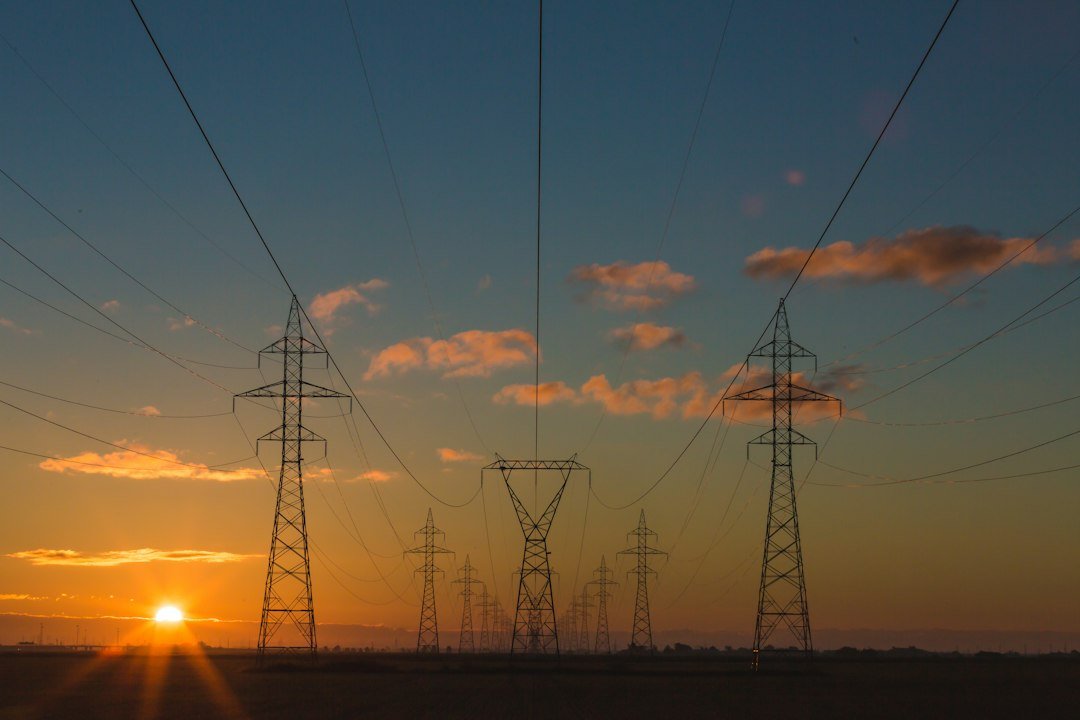
Featured image: Transmission towers illustrate the scale of electricity-grid infrastructure. Contextual photograph; not visual evidence of the specific development. Photo: Matthew Henry via Unsplash. Unsplash licence.
The US Department of Energy has announced about $967 million for state and tribal grid-resilience programs. The 20 October 2026 announcement is substantial, but it does not mean $967 million of new equipment is already being built. It opens an application and allocation process for the final two fiscal years of a five-year formula-grant program.
States, territories, federally recognized tribes and Alaska Native regional corporations have 120 days to apply, with a stated deadline of 17 February 2027. Successful recipients will then use their own approved processes to select eligible projects. Several administrative and delivery steps therefore separate the headline number from steel in the ground.
Formula funding is not a competition for one national project
Unlike a discretionary competition in which proposals are ranked against one another, this program uses a formula to determine potential allocations. The official program page says the calculation includes population, land area, the probability and severity of disruptive events, and historical spending on mitigation.
That design spreads funding across jurisdictions with different hazards and grid structures. It also means the federal announcement does not itself identify every substation, line, battery or community that will receive money. Each recipient must describe its objectives, public input and project-selection approach.
The new amount covers fiscal years 2025 and 2026—the fourth and fifth years of the program. It follows earlier awards rather than creating an entirely new mechanism. DOE’s public awards page lists nearly $1.3 billion already awarded under previous rounds.
Resilience projects reduce consequences, not every outage
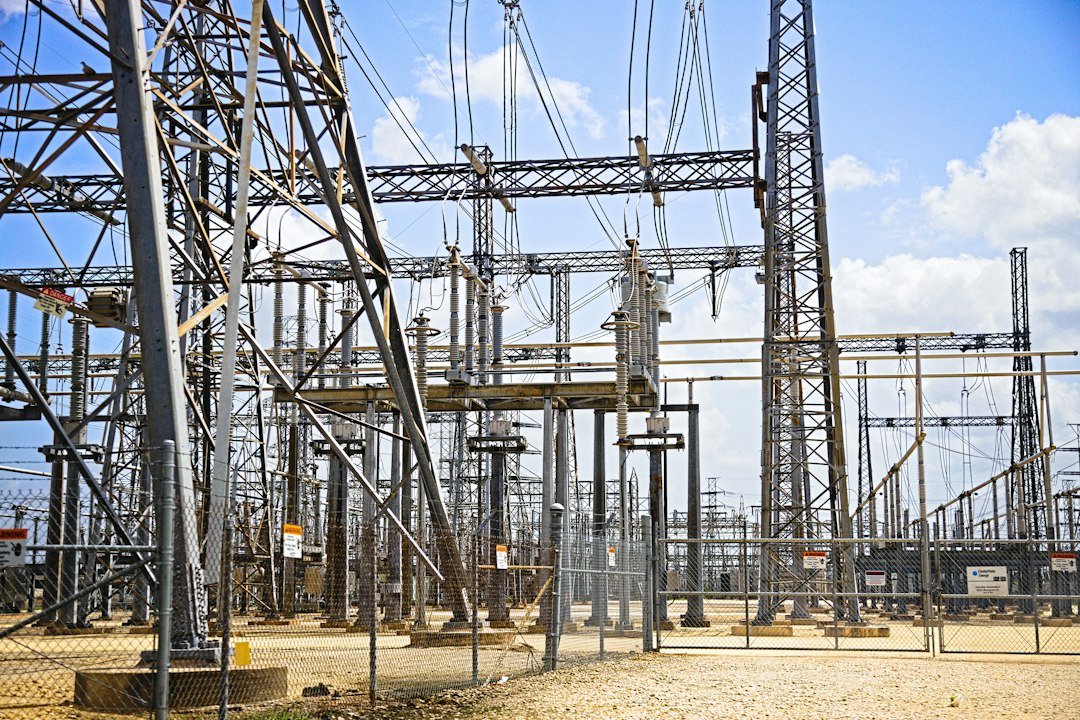
Grid resilience is the ability to prepare for, withstand and recover from disruptive events. Eligible work can include hardening power lines, relocating or undergrounding selected equipment, improving monitoring and controls, managing vegetation, building microgrids and deploying storage.
DOE says the eligible list now explicitly includes stationary and mobile battery-energy-storage systems and combustion-powered backup generators. Those technologies serve different purposes and carry different fuel, emissions, duration and maintenance trade-offs. A battery may respond quickly and support renewable integration; a generator may supply longer backup if fuel remains available.
No single project makes a grid immune to hurricanes, fires, ice, heat or equipment failure. The useful measure is whether investment reduces outage probability, limits damage, shortens restoration time or protects critical services under a defined hazard.
Recipients still have to turn allocations into projects
Formula grants require cost sharing and compliance with program rules. Recipients must identify the communities and infrastructure they prioritize, procure work, obtain permits where necessary and report results. Local project selection can improve fit, but it also makes transparent criteria and public reporting important.
The announcement therefore creates capacity to act rather than proof of impact. A jurisdiction could direct money toward a portfolio of smaller upgrades, a few major assets or community-scale systems. The eventual benefits will depend on project quality, delivery and how well the investments match actual risks.
The new deadline creates the first test
The next observable milestone is not an outage statistic; it is whether eligible governments submit complete applications by 17 February 2027. After awards, the public will need project-level information: recipient, location, technology, federal and matching funds, schedule, expected resilience benefit and completion status.
That evidence chain matters because large infrastructure numbers are easy to count twice—once when appropriated, again when allocated, again when awarded and again when construction begins. These are different stages of the same money, not separate investment totals.
The $967 million announcement is significant because it extends a national resilience program and gives states and tribes another pool of capital for locally selected work. Its honest description is also practical: the funding opportunity is open, applications are due, and the project choices come next. Construction and verified resilience gains remain future outcomes.
Reporting and source checks completed on 22 October 2026. By FutureTechDose Editor.
Leave a Reply