
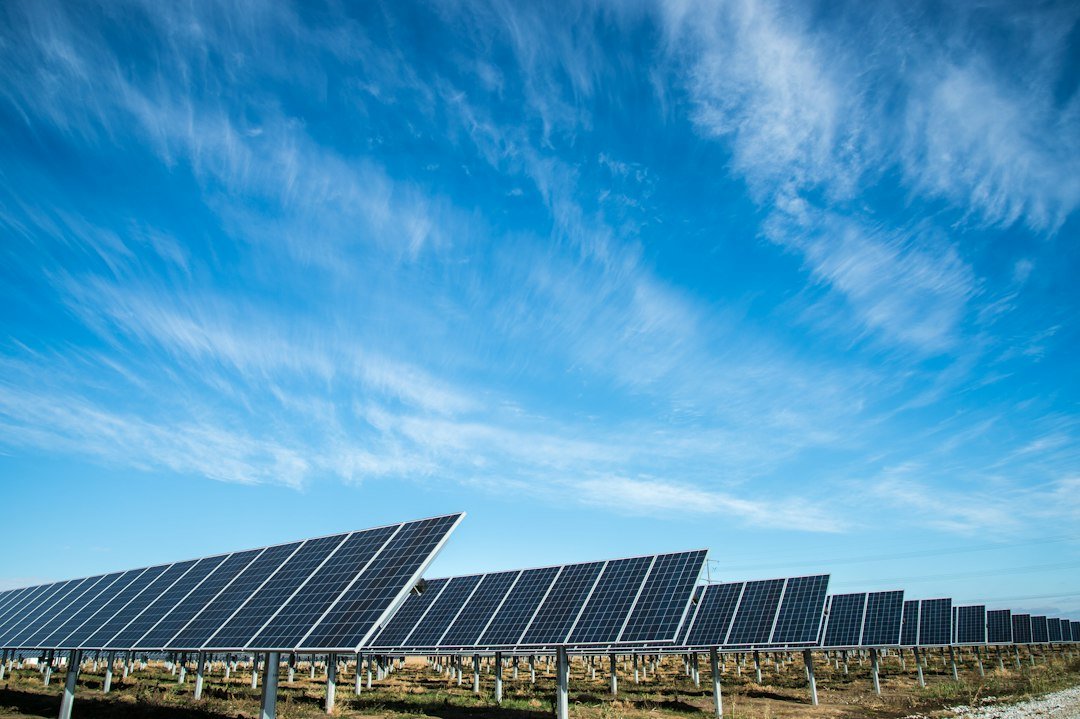
Featured image: Contextual solar installation; not a factory or project measured in the IEA report. Photo: American Public Power Association / Unsplash. Unsplash licence.
In brief: Southeast Asia has become a major clean-technology manufacturing base, but its centre of gravity is changing. Solar-panel investment has weakened amid global oversupply and trade barriers, while electric-vehicle and battery projects are expanding with domestic demand.
A region can manufacture enormous volumes of clean technology without controlling every layer of its supply chain. It can also export successfully while remaining exposed to one destination, one investor base or imported components. The International Energy Agency’s latest regional report maps those trade-offs.
Published on 26 October 2026, Energy Technology Supply Chains in Southeast Asia combines current policy, trade and announced-project data with scenarios through 2035. The projections are modeled outcomes, not guaranteed forecasts.
A fast-growing market starts at home
The IEA estimates that the regional market for electric cars, batteries, solar modules, wind turbines, heat pumps and electrolysers grew from about US$5 billion in 2020 to roughly $25 billion in 2025. Under stated policies, it exceeds $80 billion in 2035—more than tripling in a decade and growing about twice as fast as the global market.
Policy choices explain much of the range. Under a current-policies scenario, which assumes less implementation of announced measures, the 2035 market reaches about $55 billion instead. Electric cars and batteries account for most of the difference.
By the end of the third quarter of 2026, more than one in four cars sold in Southeast Asia was electric, according to the report’s executive summary. Combined annual wind and solar additions are projected to nearly triple to about 26 gigawatts over the next decade in the stated-policies case.
Solar built the hub and exposed its dependence
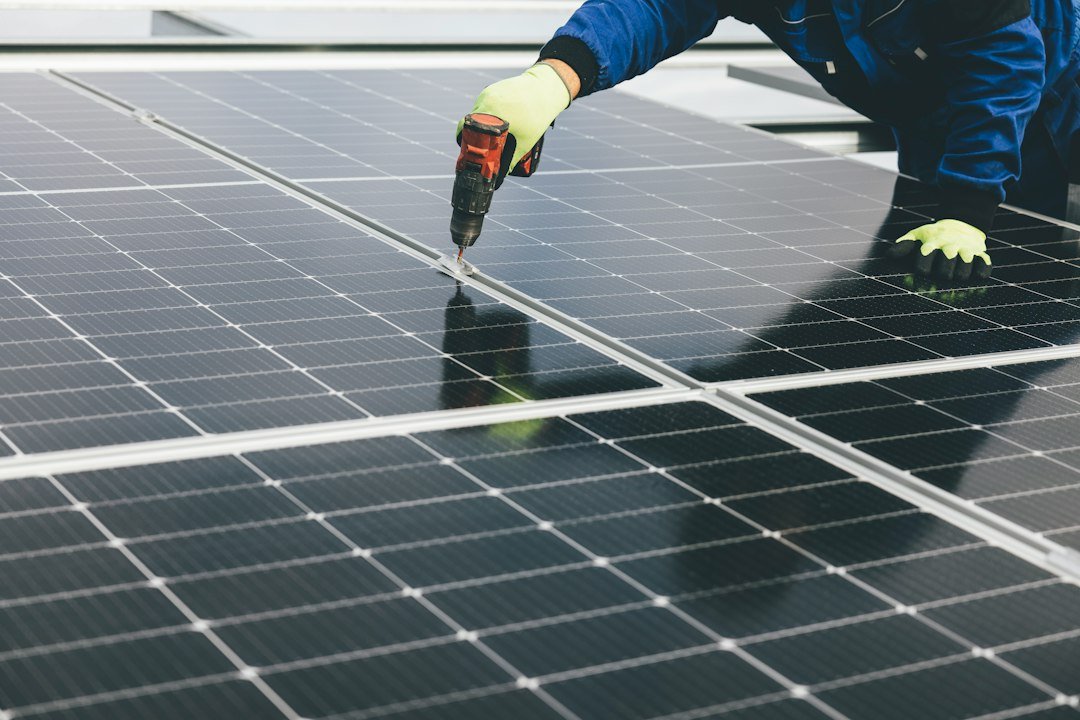
Southeast Asia is a net exporter of solar cells and modules and has been one of the world’s largest production centres. But module capacity is now more than three times current regional demand. Global oversupply and changes in US tariff and duty treatment have weakened an industry built heavily around exports.
Clean-technology manufacturing investment across the region fell from a 2023 peak of about $8.5 billion to just under $5 billion in 2025. The IEA projects lower solar-module output over the next decade in both principal scenarios, even while regional solar deployment rises.
That is not a verdict against solar power. It separates the market for installing modules from the economics of making them. Existing factories can supply more than the region currently needs, while manufacturers compete in a crowded global market.
Electric vehicles and batteries become the growth engine
Announced projects could increase regional electric-car production capacity from roughly one million vehicles in 2025 to 1.8 million in 2030. In the stated-policies scenario, output reaches 3.6 million vehicles in 2035 and the region becomes a net exporter.
Battery-cell manufacturing starts from a smaller base: about 40 gigawatt-hours of installed capacity in 2025, roughly 1% of the world total. Announced projects could take that beyond 100 GWh by 2030, while modeled output exceeds 300 GWh in 2035.
The upstream opportunity is also significant. By 2035, Southeast Asia could account for one quarter of cathode-active-material production outside China and more than 40% of anode-material production outside China in the stated-policies scenario.
Diversification can still contain concentration
China supplied an estimated 30% of cumulative foreign investment in the region’s clean-technology manufacturing from 2015 to 2025. Firms headquartered in China operated about half of regional electric-car capacity in 2025 and account for more than 70% of planned additions through 2030.
Partnerships can bring capital, technology and skills, while new production outside China diversifies the physical location of factories. Yet ownership, critical components, export destinations and intellectual property may remain concentrated. Resilience depends on more than a different postcode.
Policy also involves deliberate trade-offs. Cheap imported EVs can accelerate adoption, while local-content rules may support domestic factories but raise prices or slow deployment. Subsidising excess capacity can create jobs in the short term and stranded assets later.
The strongest strategy is specific rather than universal
The report does not offer one manufacturing template for every country. Indonesia’s mineral resources, Viet Nam’s manufacturers, Malaysia’s electronics base and Thailand’s automotive industry support different positions in the chain.
Reliable power, ports, skilled labour, transparent permitting, trade access and stable demand can be more durable advantages than short-term incentives alone. Southeast Asia’s next clean-tech chapter is therefore not simply about making more. It is about choosing which parts of a rapidly changing supply chain can remain competitive when subsidies, tariffs and technology cycles shift.
This article explains an energy-industry report and is not investment advice.
Leave a Reply