
AI data centres are usually described as an electricity-demand problem. OpenAI’s new Grid Protectors Program, announced on 2 November 2026, proposes a second role: treat large compute campuses as loads that can reduce consumption when the power system is strained. A planned Effingham County, Georgia, campus will serve as the first model.
The underlying utility contract is unusually large. Georgia Power expects the project to require about 3,200 megawatts, while OpenAI has committed up to 1,000 MW of flexible demand response. The campus is still in development, so the program’s central claim has not yet been proven at operating scale.
Demand response makes consumption controllable
Electric grids must balance supply and demand continuously. Demand-response agreements pay or require customers to reduce consumption during defined high-stress periods, such as extremely hot afternoons. The resource can help avoid outages and reduce the need to build generating capacity used only during peaks.
AI workloads vary in urgency. Some user requests require immediate inference, but training runs, data processing and other batch jobs may be delayed, slowed or moved. Modern campuses can also manage cooling and storage systems. The engineering challenge is to reduce site demand predictably without corrupting work, violating service commitments or merely shifting the peak to another hour.
The Georgia agreement puts numbers behind the concept
Georgia Power announced regulatory approval on 26 August 2026. The 25-year agreement lets the utility reduce electricity delivered to the campus under specified conditions. OpenAI will pay the full infrastructure and electric-service costs required to serve the project and provide financial assurances intended to protect other customers.
The utility compares 1,000 MW with the average demand of roughly 700,000 households. That analogy conveys scale, not a promise that every curtailed megawatt will flow directly to a home. Georgia Power says its portfolio of large-load agreements and projected growth could produce approximately $950 million in annual customer savings beginning in 2029. Those savings are utility projections dependent on the projects, revenues and regulatory treatment developing as expected.
Flexible load does not erase the need for new infrastructure
A campus that can shed one gigawatt may still require several gigawatts most of the year. OpenAI acknowledges that flexibility cannot replace new generation and transmission. The company says campuses must pay the costs they create; the claimed public benefit is that steady off-peak demand can spread fixed network costs across more electricity sales while curtailment limits peak-driven investment.
The carbon effect is also not automatic. Moving a workload from a tight hour to a later hour can lower grid stress, but emissions depend on which generators run at each time. A credible program should publish the frequency, duration and verified megawatts of curtailment, along with how workloads and backup systems respond.
A national program needs transparent operating rules
OpenAI says it will apply the model to future compute campuses and work with utilities, regulators and policymakers. Contracts will differ because each grid has different peaks, market rules and generation mixes. What counts as available capacity, how much advance notice is required and what happens if a facility fails to curtail must be defined before operators can rely on the resource.
The Effingham agreement offers a measurable pilot: up to 1,000 MW from a planned 3,200 MW load. Once the campus operates, grid data can show whether that flexibility is real, how often it is called and whether promised customer protections hold. Until then, Grid Protectors is a contract-backed design rather than an operational achievement.
If it works, AI infrastructure could become more than a passive industrial load. Large campuses could act as controllable participants in power-system operations. That will not make their energy demand disappear, but it could change when demand arrives—and timing is often what determines whether a grid remains reliable.
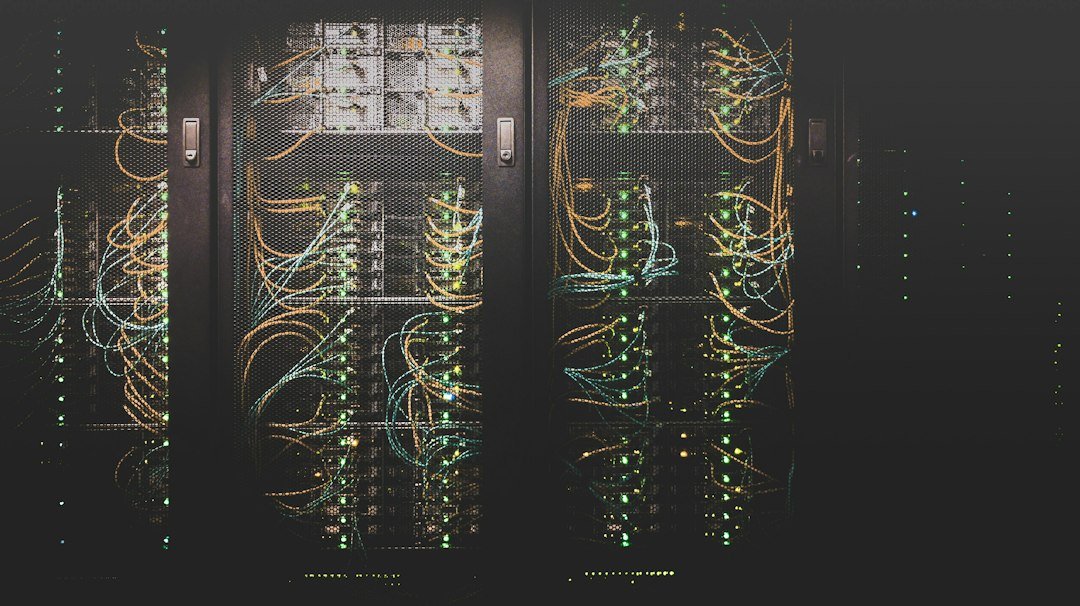
Featured image: Server racks in a data centre. Contextual image, not the planned OpenAI campus. Photo: Taylor Vick/Unsplash.
Leave a Reply