
New York opened its second bulk energy storage solicitation on 12 November 2026, aiming to procure about one gigawatt of power capacity. The announcement from the New York State Energy Research and Development Authority, or NYSERDA, describes a competition for projects, not a fleet entering service. It follows a first round that the agency says yielded contracts for eight projects representing 950 megawatts once operational. The distinction matters when a grid planner needs capacity at a particular substation on a particular day.
A gigawatt measures a rate, not the length of a discharge
Storage projects have a power rating in megawatts and an energy capacity in megawatt-hours. Power is the rate at which a project can supply electricity. Energy is how much it can deliver over time. A project that provides 100 megawatts for four hours would supply 400 megawatt-hours over that period, before considering operating limits. A 100-megawatt project that can sustain output for two hours provides half that energy at the same power rating.
The state’s aggregate procurement target tells readers something about the intended rate of discharge across the portfolio. It does not show that every project will have the same duration, connect to the same part of the grid, or be ready at the same time. Location affects what a project can do for a local constraint. Duration affects whether it can keep supplying power through a long peak rather than just covering its beginning.
Contracts address revenue risk before projects address grid risk
New York’s Bulk Energy Storage Program awards Index Storage Credit contracts. The support is indexed to wholesale energy and capacity markets, so the contract mechanism takes account of revenues that can vary with market conditions. That matters because the cost of building a project arrives before years of revenues are known. Reducing uncertainty around the latter can help projects finance the former. It does not eliminate construction, interconnection or operating risk.
The programme compares a strike price proposed by the developer with a reference price that estimates wholesale energy and capacity revenue. If the reference is lower, NYSERDA pays the difference; if it is higher, the developer pays the difference back. The reference is an estimate, not a record of what a particular project actually earned. So the contract can cushion shifts in market prices without making it irrelevant how well the project operates.
The process has two stages: a qualification step followed by bid proposals from eligible applicants. Even a winning bidder must still turn a design and schedule into an operating plant. NYSERDA says credits are not paid until awarded and contracted projects are permitted, installed and operational, and have passed peer review and quality assurance inspection. It also requires projects it supports to comply with updated safety codes.
The useful tracker follows the same project through each milestone
The first solicitation’s contracted project list is a better starting point for monitoring progress than a state-level target on its own. A developer can have an award but still need local permitting, a confirmed connection, equipment and commissioning. Each is a distinct milestone, and progress on one does not guarantee progress on the others.
NYSERDA describes the new solicitation as part of an effort to procure three gigawatts of bulk storage across at least three rounds, in support of New York’s broader six-gigawatt storage goal for 2030. Neither figure is a reading of installed capacity. The more revealing evidence will come as the agency identifies awarded sites, the projects clear safety and interconnection milestones, and actual operating dates become known. Only then can the state see how much power was delivered, where and for how long.
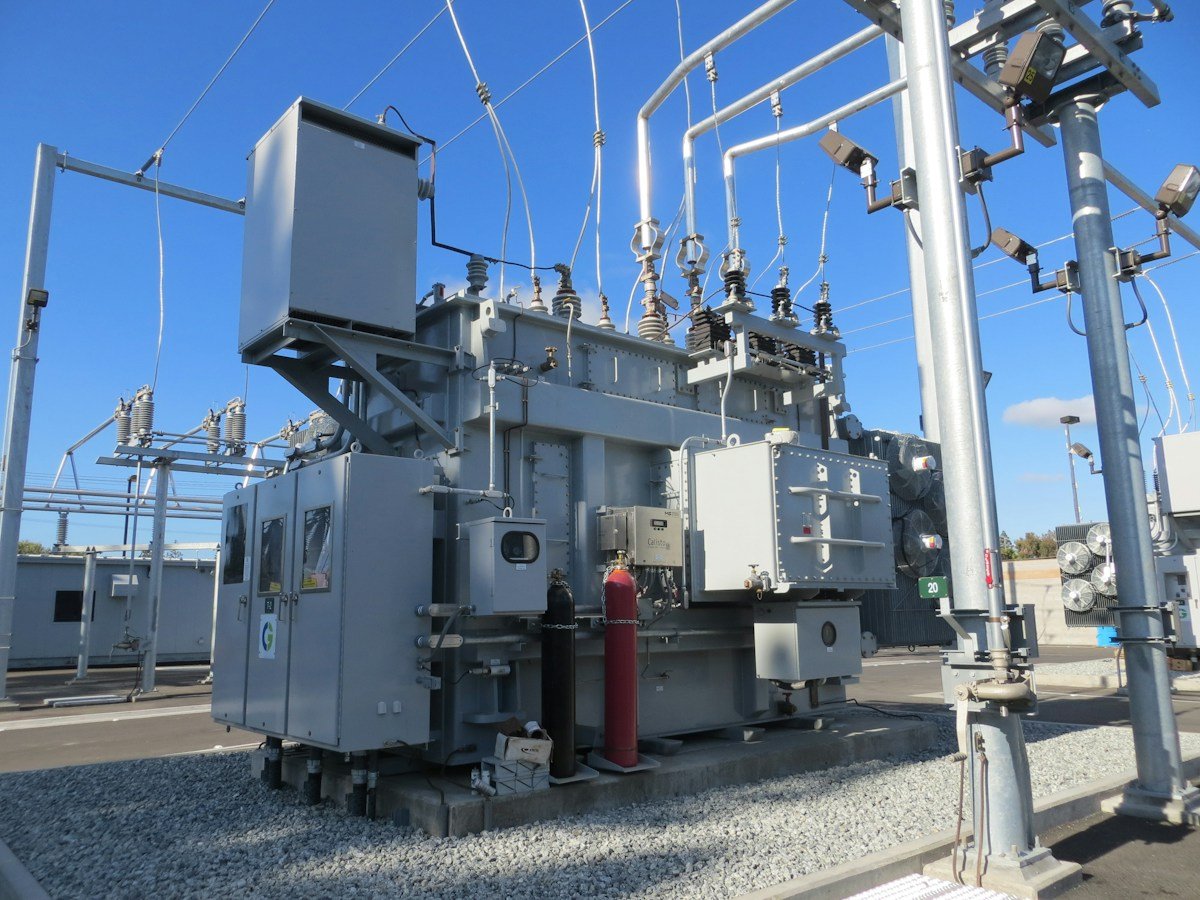
Featured image: Electrical substation equipment outdoors. Contextual photograph; not the study, product or facility discussed here. Photo: American Public Power Association / Unsplash. Unsplash licence.
Leave a Reply