
The conventional image of AI infrastructure is a campus built around a huge pool of chips. Torus is proposing something smaller: place prefabricated inference equipment where there is room on an existing electricity connection. The Utah company launched Foundry on 11 November 2026 and announced $500 million in growth capital led by Magnetar. The launch outlines a commercial strategy. It does not establish that every site with apparent electrical headroom can run AI workloads on the company’s timetable.
Start with the transformer, then size the compute
Inference is the work of running an already-trained model. Where a service is hosted can affect how quickly a request reaches it, how well the service handles spikes in demand and where customer data is processed. Not every workload needs the same configuration. A local installation may suit an application with predictable demand or a reason to keep data nearby. Other applications may benefit more from a larger shared pool of hardware with room for sudden increases in traffic.
Torus describes Foundry as a modular package combining compute, networking, cooling and power infrastructure. Its launch materials describe sites in the 1–20 MW range and a 12–16 week path from contract to running workloads. Those are company specifications and a deployment claim, not independently measured outcomes for a range of sites. Prefabrication shifts assembly off site, but local equipment, network service and commissioning still have to fit the location.
Headroom needs a time dimension
Unused headroom means there is a gap between a connection’s capacity and what other equipment draws. An average gap is not the same as room available at the busiest hour. The building may use more power on a hot day; a new rack also needs cooling, which can raise its own electrical demand at the same time. The utility’s service terms and the capacity of equipment upstream matter alongside the rating of a local transformer.
Foundry pairs the compute with Torus’s Reserve energy-storage and management system. The company says batteries and flywheels can buffer peaks and help manage changes in demand. That is a way to alter the timing of power draw, not a new source of electricity. A brief spike and a sustained shortage have different implications: stored energy can cover the first if sized for it, but a prolonged shortfall means recharging later, reducing the workload or finding additional supply.
Look for delivered capacity and service performance
The commercial test is how quickly suitable sites go from a signed contract to an operating service, and how reliably they serve the intended workload once connected. That means asking how much of the power envelope is firm, how much is interruptible, and what happens to latency or throughput when a site has to reduce its draw. It also means counting operating installations separately from factory capacity, signed projects and financing.
The launch also distinguishes a powered enclosure sold without accelerators from a turnkey unit that includes them and a dedicated inference service. Those offerings are not interchangeable units of capacity. An enclosure can be ready while the hardware it will house is still on order. A populated unit can be installed without yet serving customer requests. A fair deployment comparison specifies which milestone the clock stops at.
Torus’s proposal is interesting because it makes existing connections a starting point for infrastructure design, not an afterthought. That could make some capacity available sooner without solving every constraint that leads developers to build large campuses. A useful comparison will be between sites with different grid conditions, reporting the actual time to service, power available at peak and compute delivered under load.
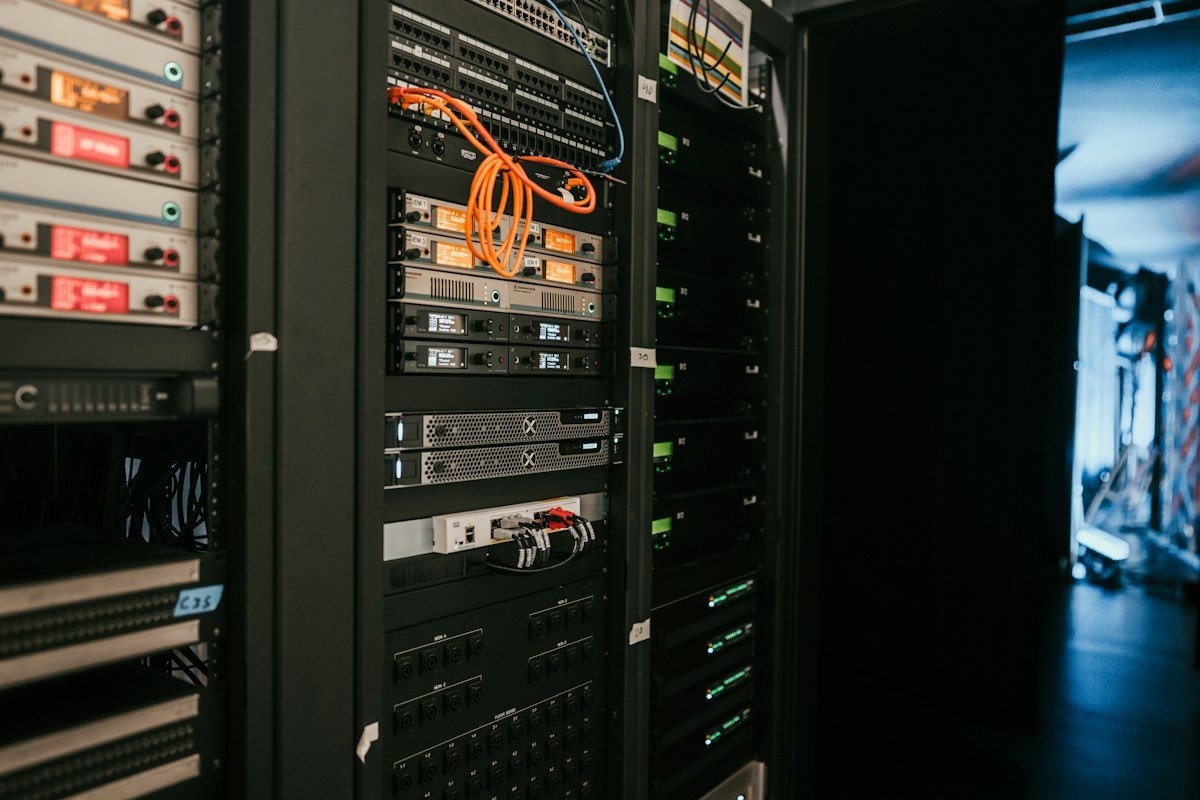
Featured image: Equipment racks in a server room. Contextual photograph; not the study, product or facility discussed here. Photo: Kevin Ache / Unsplash. Unsplash licence.
Leave a Reply