
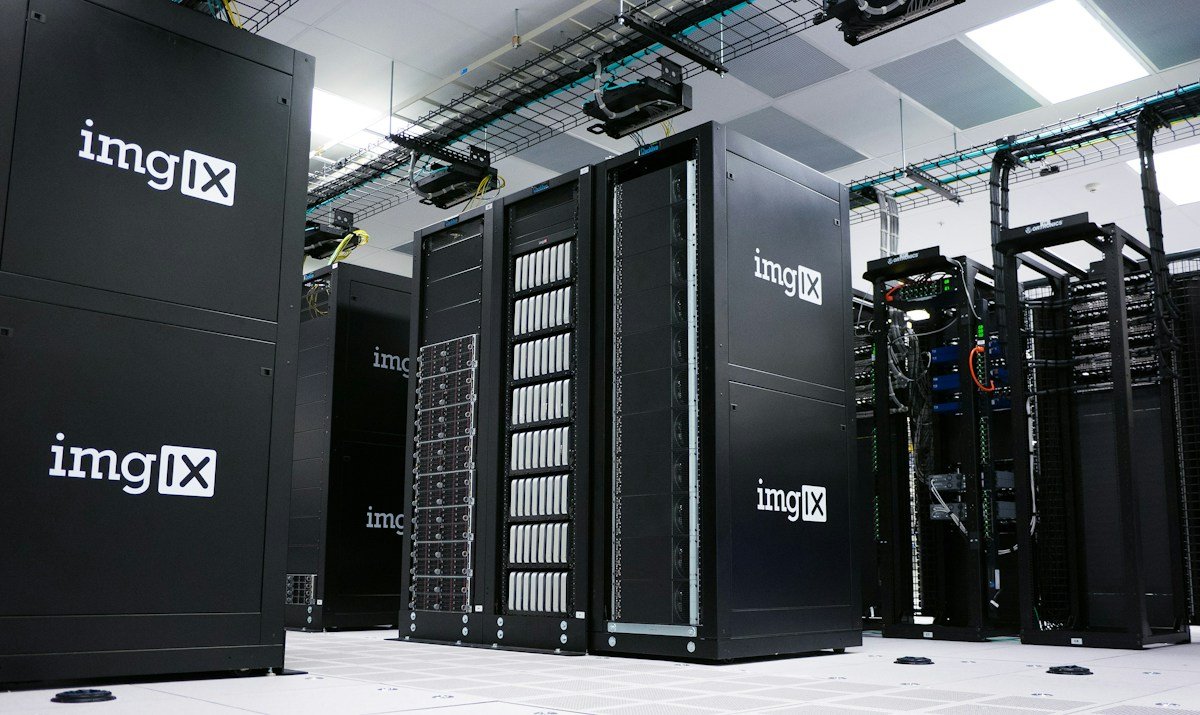
A data centre can run the same amount of computing equipment in winter and summer and still require a larger grid connection because of a few hot hours. The extra demand comes from moving heat out of the building. A US Department of Energy project summary updated on 27 October 2026 describes modelling by the National Laboratory of the Rockies and collaborators that tests a different way to handle those hours: store cooling capacity underground in advance. The researchers assessed representative sites in Virginia and Arizona. They did not report a gigawatt-scale system operating in either location.
Cold storage moves the work of cooling across time
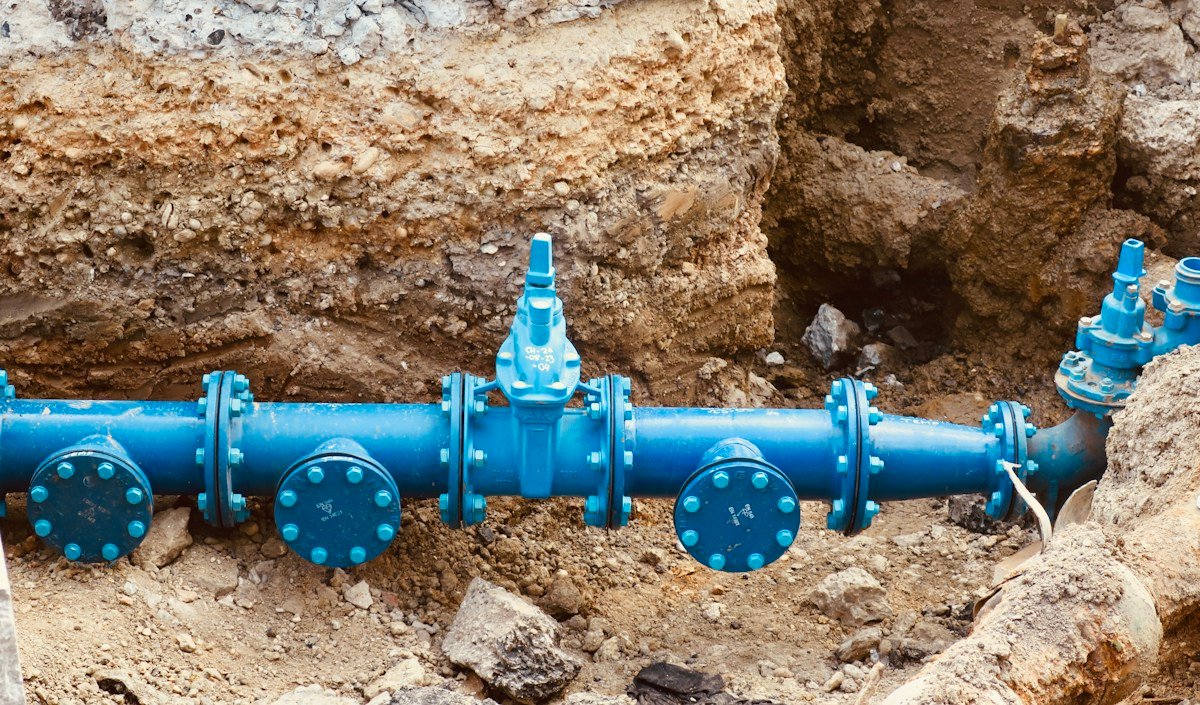
Cold underground thermal energy storage, or cold UTES, uses the subsurface to retain a temperature difference that can be used later. A cooling system charges the store when conditions are favourable. During a hot period, the stored cooling capacity can take some of the load that would otherwise be met by running chillers at the same time as the computers. The servers still produce heat, and pumps and heat exchangers still need to move it. The idea is to change when the largest electrical draw occurs.
That makes cold storage different from a battery. A battery can supply electricity to different parts of a facility. Cold storage serves a thermal load. Its energy capacity describes how much heat it can absorb under the design conditions, not how many megawatt-hours of electricity it can return to the grid. The two measures cannot be swapped without knowing how much chiller work is displaced and how much electricity the storage equipment uses.
A modelled peak is larger than a typical cooling hour
The Phase 1 technical report assumed a steady 1,000 MW electrical load for computing and auxiliaries and treated it as a 1 GW thermal load for the dry heat-rejection system. In the baseline model, cooling equipment drew as little as 10 MW in cold conditions and as much as 300 MW in hot hours, bringing the required connection to at least 1,300 MW. Those are assumptions and results for the report’s model, not measured demand at a particular data centre.
The spread is what makes the option worth investigating. Equipment at the grid connection must be able to serve the simultaneous load when it occurs. If stored cooling reduces that hottest-hour draw, it could lower the required peak even if operating the store does not lower annual electricity consumption by the same proportion. In some cases, charging conditions may improve annual energy performance. In others, losses, pumping demand or time spent recharging could offset some of the advantage. A comparison needs to show both peak power and total energy.
Geology and the operating contract still decide the case
Arizona and Virginia have different weather and electricity systems, and the subsurface can vary even within one market. A viable site needs usable storage volume, a way to charge and discharge it, and a backup cooling strategy for periods outside the design assumptions. It also matters how the utility credits a reduction in peak demand when determining the connection requirement. A reduction during the wrong hours is less useful than one that lasts through the binding peak.
The clearest follow-up would measure charge and discharge losses, cooling performance through a sustained hot spell, and the actual electrical demand at the connection. Those measurements would test a different proposition from the one modelled: whether a particular installation can supply dependable cooling when the grid and the data centre need it most.
Featured image: Server equipment in a data centre. Contextual photograph; not the study, product or facility discussed here. Photo: imgix / Unsplash. Unsplash licence.
Leave a Reply