
A powerful chip matters. So does everything needed to keep thousands of chips working together. Alibaba’s latest AI announcement is an attempt to compete across that entire system.
At the Apsara Conference on 22 September, chief executive Eddie Wu introduced the Zhenwu V900 accelerator. Alibaba says it delivers three times the performance of the preceding M890. The keynote also set a target for Alibaba Cloud’s operated global data-centre capacity to exceed 20 gigawatts by 2032. The performance comparison is Alibaba’s claim; the capacity figure is a future target. Neither should be mistaken for an independently verified result or capacity already operating. Alibaba’s published keynote
The system is the real contest
Alibaba describes a strategy spanning processors, networking, servers, AI models and the software that runs them. It also says its Qwen team plans to train a model at the scale of five to ten trillion parameters. That describes a research plan rather than a released model, and parameter count alone does not establish capability. The infrastructure roadmap
Our reading is that Alibaba wants customers to evaluate a complete computing service, rather than a component in isolation. That could make the business contest more complicated than a simple comparison between two chips.
Imagine an organisation choosing where to run a large AI workload. It needs to know whether its software works, how reliably jobs finish and what the complete service costs. A faster processor can be valuable, but migration effort and operational friction may outweigh a narrow advantage.
Three times faster needs a denominator
The headline performance claim raises the right follow-up questions. Which workload was measured? What numerical precision was used? How much power did the system consume? Did the comparison include networking and software changes?
Without comparable answers, there is no sound basis here for declaring that V900 has overtaken a specific Nvidia product. Nor does a large data-centre target reveal how quickly usable computing capacity will reach customers.
The most persuasive next evidence would be repeatable customer workloads, transparent performance-per-watt measurements and information about deployment at scale. These would help separate architectural ambition from the service a buyer can actually use.
Alibaba has laid out an expansive challenge. The competitive significance will become clearer as its systems move from announcements into sustained, measurable work.
Sources
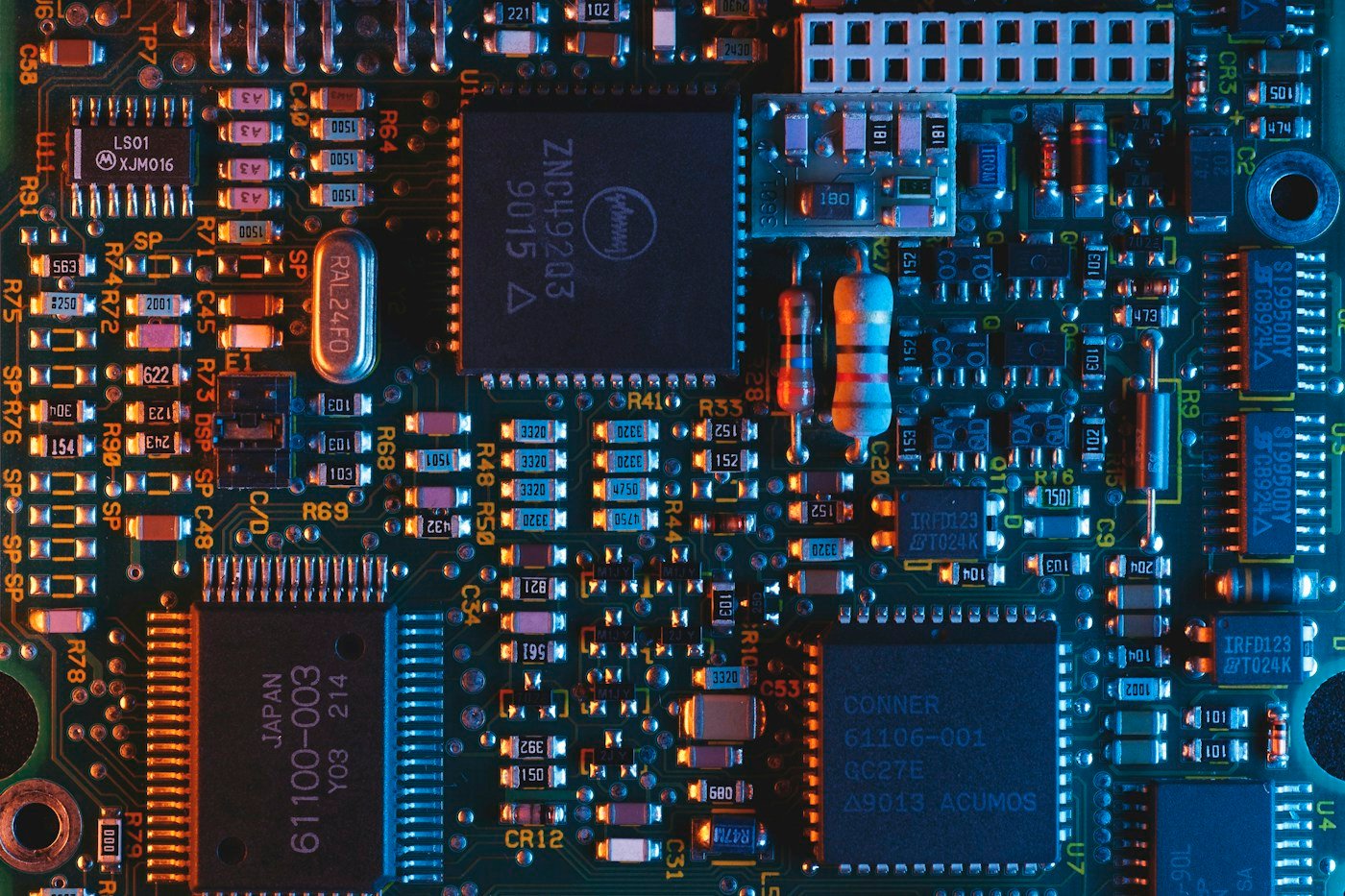
Featured image from the FutureTechDose archive, shown as representative hardware.
Leave a Reply