
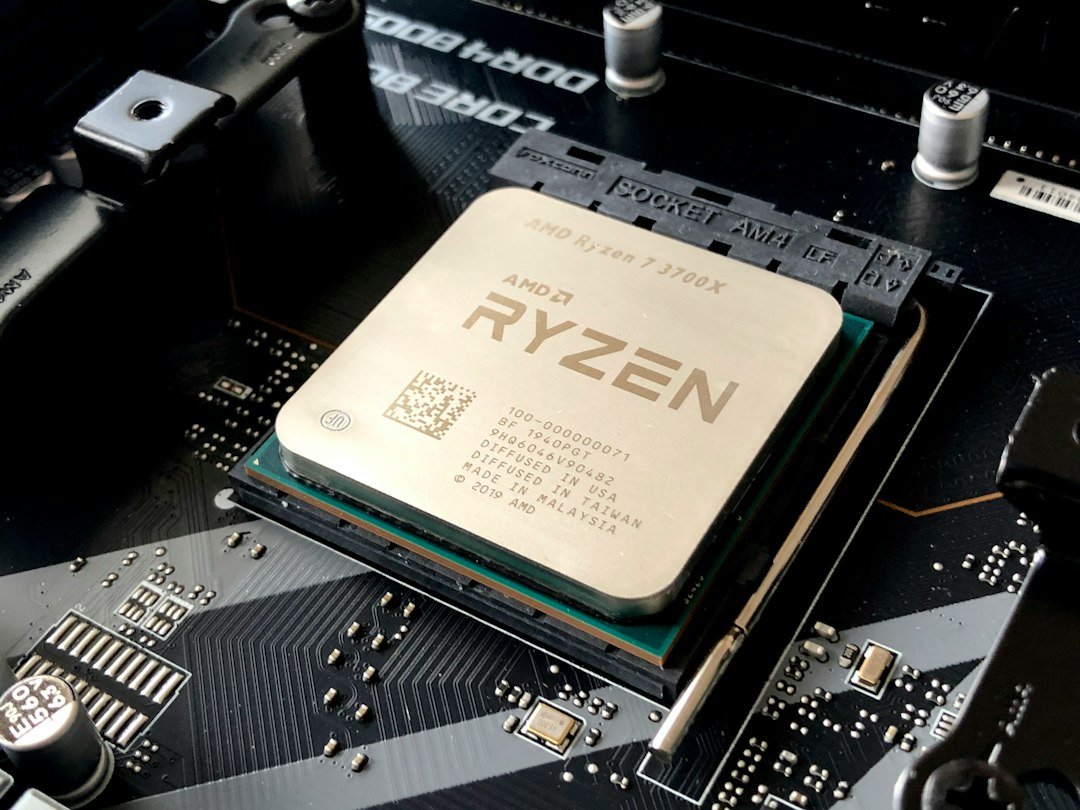
AMD has entered a club that once seemed remote for a company best known to many people as the alternative processor in a PC.
On 21 September 2026, AMD crossed US$1 trillion in market capitalisation for the first time, Reuters reported. Market capitalisation is the share price multiplied by the number of shares; it is neither money sitting in the company’s bank account nor revenue from selling chips. Reuters
For FutureTechDose readers, the useful question behind the milestone is what has changed in the business. The answer is visible in the growing role of AMD AI chips, server processors and the systems built around them.
The revenue shift is substantial
AMD’s results released on 4 August put second-quarter revenue at approximately $11.5 billion. Its Data Center segment generated $6.7 billion, up 107% from a year earlier, with the company attributing demand to EPYC processors and Instinct accelerators. AMD’s financial results
That is roughly 58% of total quarterly revenue, calculated from AMD’s reported figures. It explains why a story many readers associate with gaming PCs increasingly turns on decisions made in large computing facilities.
The report also keeps expectations separate from results. AMD forecast third-quarter revenue of about $13 billion, plus or minus $300 million. That was guidance, not a completed quarter’s sales. Results and outlook
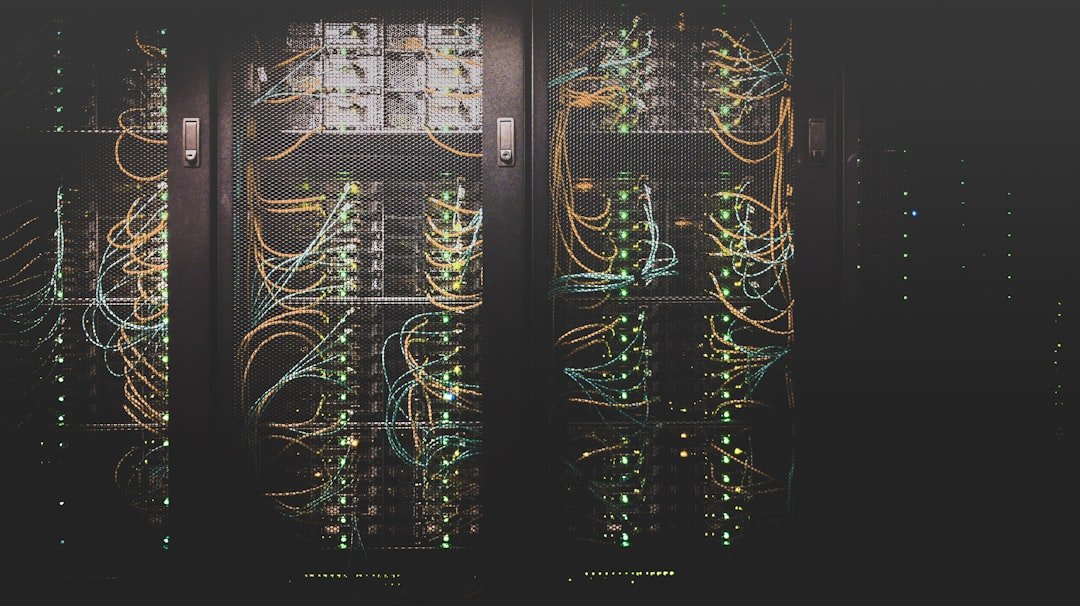
Helios makes the competition bigger than one processor
AMD’s Helios design combines 72 Instinct MI455X GPUs with EPYC CPUs and Pensando networking. AMD describes it as a reference design that manufacturers use to create their own branded systems. It is not a single retail product that an individual buyer orders directly from AMD. Helios architecture and FAQ
The components have different jobs. Accelerators carry out large volumes of parallel computation; host processors and networking help organise work and move information. Memory and the software stack also influence what a complete system can accomplish.
Our reading is that selling an attractive component is only one stage of winning a large deployment. Customers need the assembled infrastructure to be manageable, serviceable and useful for their actual models.
AMD’s Helios materials describe open industry standards across the rack and interconnects, alongside its ROCm software. Those design choices are part of its competitive pitch; claims of superior performance still require scrutiny of the workload and comparison method. AMD’s platform description
A valuation milestone cannot settle a technical contest
A rising share price is evidence of what investors are willing to pay. It cannot demonstrate that an accelerator is faster, that software migration is easy or that customers will achieve a particular operating cost.
That is why the next useful evidence remains practical: customer deployments, reliability, software support and comparable measurements of completed work. Our earlier look at Nvidia and AMD’s benchmark claims explains why the details of a test can change the apparent winner.
The milestone raises expectations for AMD. Its financial results already show a business increasingly shaped by data-centre demand, while Helios shows the breadth of the product strategy.
The interesting contest ahead is how well those pieces work together for customers. A trillion-dollar valuation makes that test more visible; it does not make the outcome predetermined.
Featured image: An AMD Ryzen desktop processor, photographed by Olivier Collet. Shown as company context; it is not an Instinct AI accelerator. Image: Olivier Collet / Unsplash.
Leave a Reply