
Biotechnology
Gene editing, cancer biotechnology, regenerative medicine, longevity science and the evidence moving from laboratories into clinical care.
-

DNA-SaM Brings a Filing System to the Molecular Archive
DNA-SaM combines sequence-aware encoding with hierarchical indexing. Laboratory experiments encoded 4.33 MB; vastly larger capacities remain computational or theoretical claims.
-

Long-Lived Mammals Do Not Share One Simple Anti-Ageing Blueprint
A new comparative study finds different longevity-associated patterns in small and large mammals. The result is a research map, not a human anti-ageing intervention.
-

Jemperli’s New Rectal-Cancer Approval Makes Avoiding Surgery Part of the Goal
The FDA has approved Jemperli for a biomarker-defined group with locally advanced rectal cancer. The opportunity to avoid surgery comes with continuing follow-up and important limits.
-
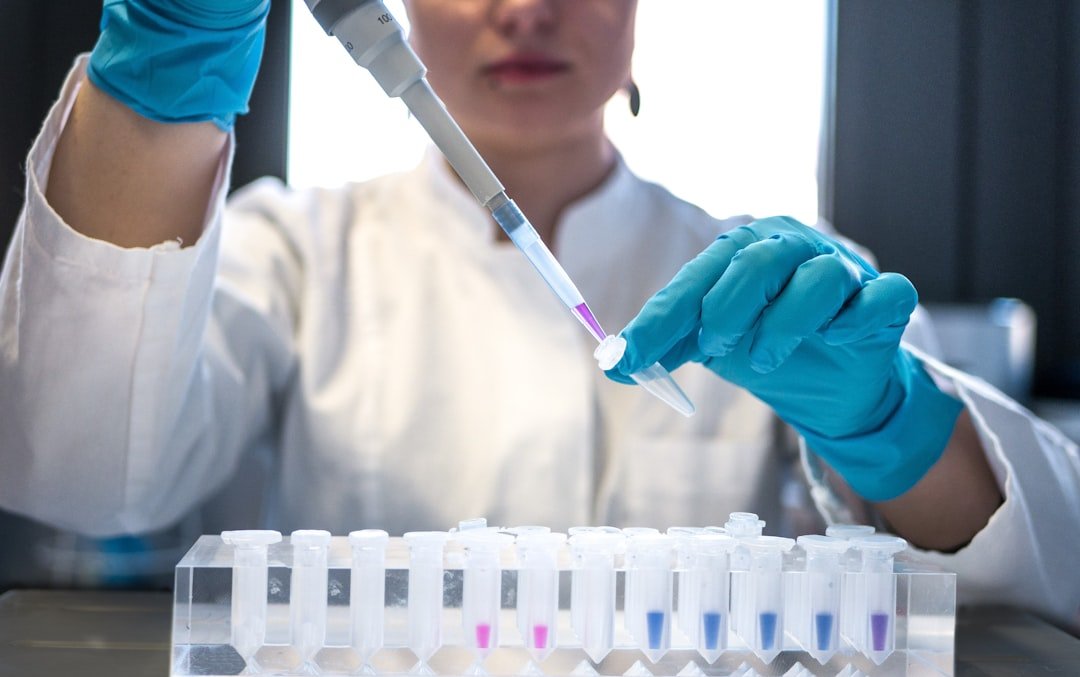
PacBio’s RNA-AI Partnership Puts Full-Length Biological Data Before Drug Claims
PacBio and TychoBio plan data from more than 10,000 samples for RNA-therapy design. The goal is better prediction of cellular effects, not an announced medicine.
-
A Large Cancer Cohort Challenges the Simple Vaccine-Boosts-Immunotherapy Story
A French study of 95,015 people found modest early survival associations around vaccination. The pattern did not establish a lasting or mRNA-specific cancer-treatment effect.
-
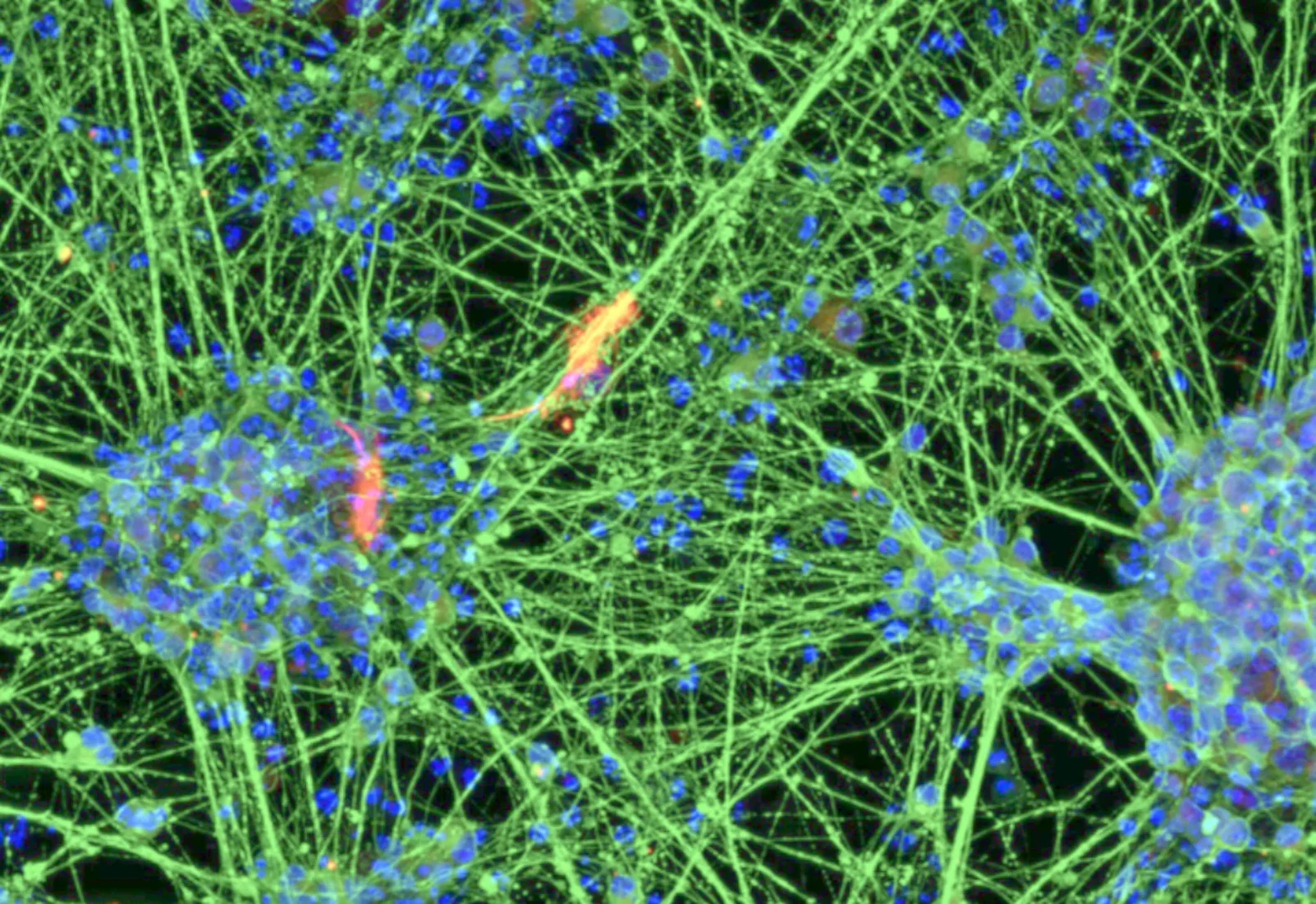
Blood-to-Brain Cell Conversion Opens a Slower Window on Cellular Rejuvenation
Human blood precursors lost age-associated signatures as they became neural stem cells in culture. The slow transition offers a research model, not a rejuvenation treatment.
-
Gene Editing’s Next Quality Check Selects Cells That Carry the Intended Repair
Transient molecular reporters can enrich correctly edited blood-forming stem cells in preclinical experiments. Selecting a better graft is not the same as proving it clinically safe.
-
A Cancer’s DNA Family Tree Reconstructs Its Journey Between Twins Before Birth
Researchers traced a rare soft-tissue cancer from one twin to the other before birth. The finding shows how DNA can recover a history that scans alone cannot reveal.
-

A Younger Blood-Protein Clock Is Not Yet Proof of Slower Ageing
Six protein-based clocks moved in the same direction during a lung-disease trial. The difficult question is whether they measured ageing, disease improvement or both.
-
A Prion RNA Trial Moves Before Symptoms Without Claiming Prevention
PRiSM has opened an arm for people at high genetic risk of prion disease. This first-in-human study is testing safety and protein lowering, not proven prevention.
-

An Ageing Brain Signal May Be Part of the Defence, Not the Damage
An enzyme that rises with age protected memory-related brain circuits in mice. The finding challenges the assumption that every age-linked increase is harmful.
-
Rare Lung Cancer Mutations Put Protein Shape at the Centre of a Trial
Firmonertinib showed activity against a structurally defined group of EGFR mutations. A larger comparison must establish whether the early signal changes care.