
The race to supply AI computing is moving beyond a contest between individual chips. Buyers need processors, networking, cooling and software that function together—and equipment that can be installed and operated at scale.
On 30 September 2026, HPE announced a US$1.2 billion order from cloud provider Vultr for AMD Helios AI racks at US data centres. HPE described it as its first Helios order. This is a commercial order announcement, not a report that all the systems are already installed and serving customers. HPE’s announcement
Featured image: Taylor Vick / Unsplash. Representative photograph; it does not depict the specific product, facility or project described.
A rack is becoming the unit of competition
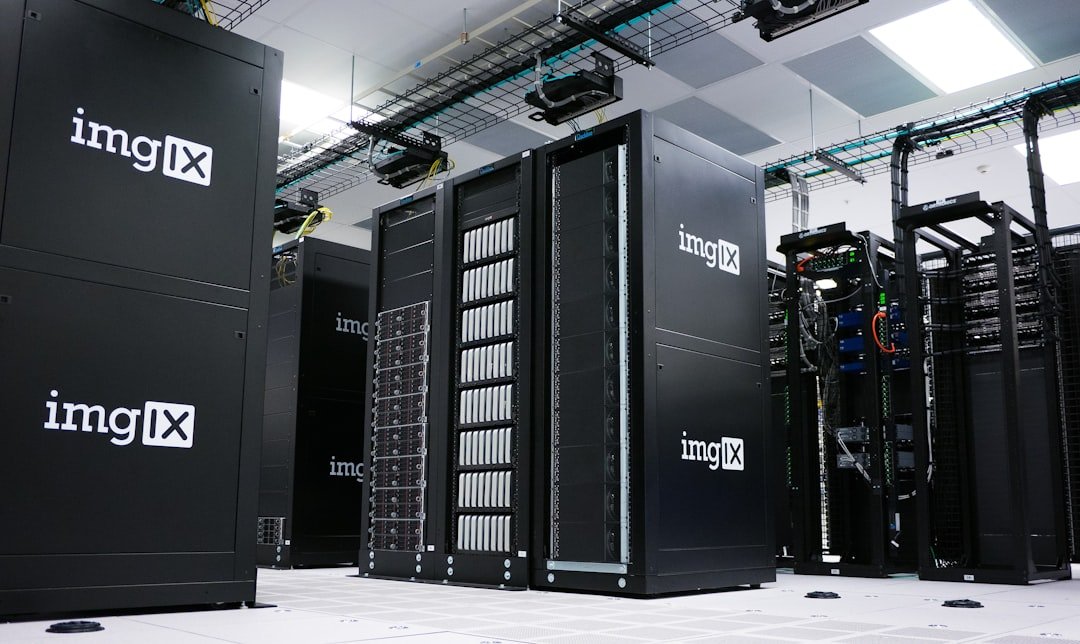
HPE says each rack combines 72 AMD Instinct MI455X GPUs with EPYC Venice processors, networking hardware and ROCm software. GPUs provide much of the parallel calculation used in AI. A rack packages that computing capacity with the connections and support equipment needed to use it together. Helios configuration
The intended workloads include training, which builds a model from data, and inference, which runs a trained model to produce an answer. A system that performs well on one workload does not automatically have the same advantage on every other workload.
The links between chips matter
The design uses HPE Juniper scale-up switching and standards-based Ethernet to connect the GPUs. “Scale-up” describes tightly linking processors so they can cooperate on larger jobs. HPE also includes direct liquid cooling, which brings cooling liquid close to heat-producing components. Networking and cooling design
Fast processors are only useful if the system can feed them data and remove heat. Packaging these elements into an integrated platform could make deployment easier, but a parts list alone cannot show reliability or the cost of completing a customer’s real AI task.
An order is evidence of demand
The commitment is a concrete customer decision for an alternative AI platform. It does not establish that AMD has overtaken a competitor in market share, or that the rack is the fastest or cheapest option across all applications.
The release provides no rack count or completed rollout schedule. Readers should not divide the order value by an assumed rack price to infer the size of the installation. Disclosed order details
The next evidence will come from delivered systems and customer use: installation progress, workload performance, uptime and operating costs. That is where a large purchase becomes a functioning challenge in the AI infrastructure market.
Leave a Reply