
The demand for AI computing is becoming easier to see in contracts for physical equipment. Servers, network links, storage, floor space and electricity all have to be lined up before a model can run.
Australian infrastructure company Megaport announced three contracts worth about A$978.6 million in total on 29 September 2026 through its Latitude.sh business. They cover GPU and CPU computing, networks and storage for AI applications and inference, the process of running a trained model to produce answers. The figure is total contract value across terms averaging a little over four years; it is not cash earned today. Megaport’s ASX filing
What has been committed?
Megaport says the agreements include about A$322.6 million in customer prepayments. Two agreements are with US technology providers, one of them an existing customer; a third is with a new, publicly listed enterprise using compute for its own work. The company did not name the customers. It says it has secured power and space for the contracts. Contract details, pages 1–3
The planned annual recurring revenue contribution is about A$232.4 million once all the contracted hardware is deployed and running, which the company expects by the fourth quarter of its 2027 financial year. “Annual recurring revenue” expresses a run rate at that point, not revenue already collected over the past year. Deployment and revenue definitions
The equipment still has to arrive
The new deals require an estimated A$500.3 million of capital spending, mainly for Nvidia GPUs and related equipment. Megaport is diverting GPUs already ordered for its flexible compute pool to the contracts, then plans about A$360 million more to replenish that pool. It raised its forecast for 2027 financial-year capital spending to A$1.78 billion–A$1.88 billion. Spending and guidance
The filing illustrates how AI capacity is assembled in stages. Signed commitments and prepayments provide evidence of demand, while equipment procurement, installation and customer acceptance still determine when the capacity becomes billable. The customer names and independent performance measures remain undisclosed.
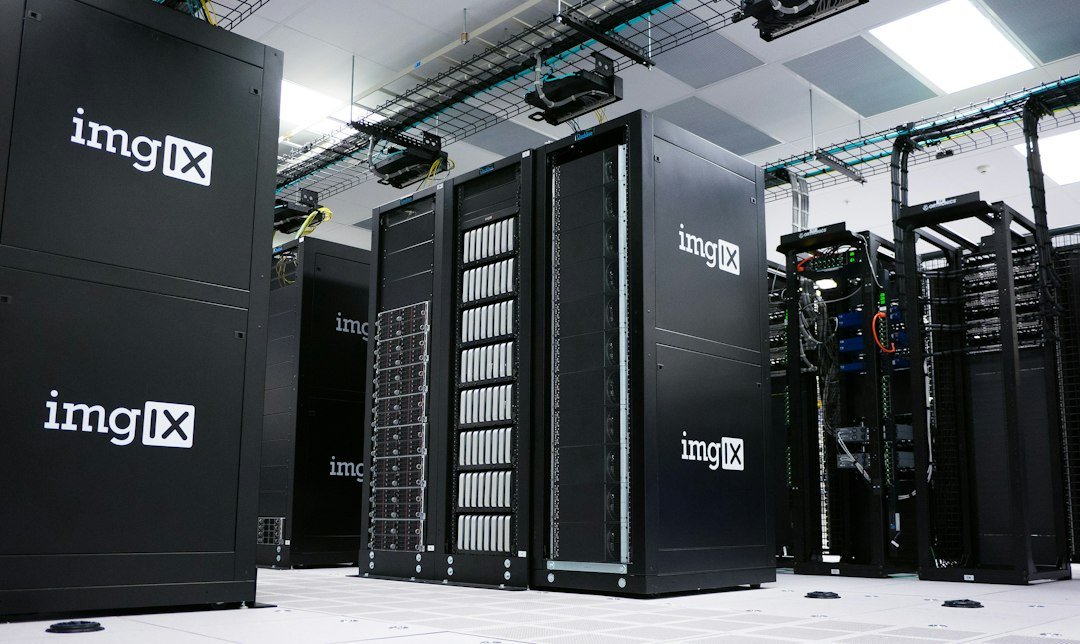
Featured image: representative image by imgix / Unsplash. It does not depict the specific study, facility or equipment described.
Leave a Reply