
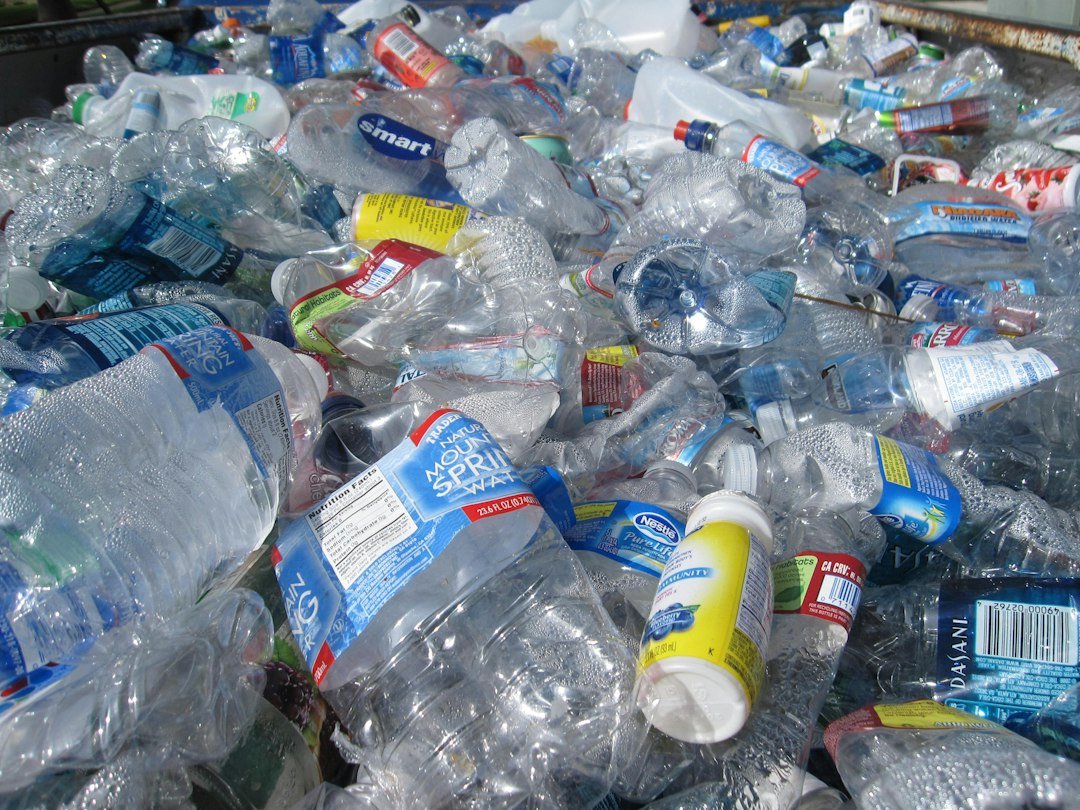
Recycled plastic building materials could give discarded bottles another life beneath our feet.
Atlas Building Composites, an MIT spinout, recently supplied recycled composite trusses for a 40-foot bridge in a Massachusetts wetland. MIT described the U.S. Army Corps of Engineers project in a 14 September update on the company’s progress. MIT’s report on Atlas
The detail matters: Atlas supplied structural components. The report does not describe an entire bridge made solely from discarded bottles.
Even with that distinction, the application is striking. The material has moved into a structure designed to carry people.
How recycled plastic building materials carry weight
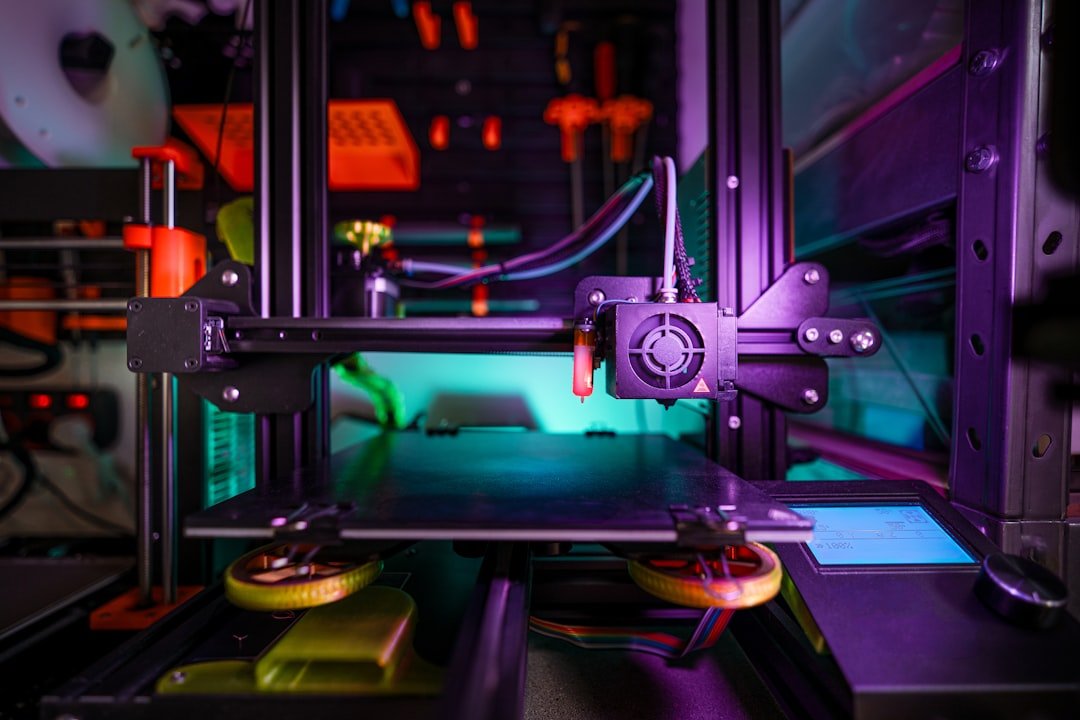
Atlas combines recycled plastic with fibreglass and uses large-scale additive manufacturing to produce components. Additive manufacturing is the industrial version of 3D printing: material is deposited to form a designed shape.
A truss is a framework that carries loads through connected members. Its geometry can provide stiffness while using less material than a solid block. Atlas is pursuing components for floors, roofs, walls and other structures, with manufacturing close to where those parts will be used. The manufacturing approach
The result is a composite. Plastic and reinforcing fibres perform different jobs within the same material, so its properties cannot be inferred simply by squeezing an empty drinks bottle.
The earlier experiment behind the idea
In research presented at the 2025 Solid Freeform Fabrication Symposium, an MIT team manufactured eight-foot trusses from recycled PET reinforced with glass fibre. Each took approximately 13 minutes to print and weighed about 13 pounds.
Four trusses were assembled into a floor system topped with plywood. The researchers tested how much it bent under load and compared that behaviour with construction requirements. The paper reports stiffness measurements and agreement between physical tests and computer modelling. Original structural research
This is important evidence for a specific design and material combination. It is not blanket certification for any recycled-plastic part printed in any shape.
MIT’s February account adds a useful qualification: that early study used relatively clean industrial recycled material. Working with more contaminated waste was a further challenge. A successful test using one feedstock does not automatically establish the quality of parts made from a mixed household recycling stream. MIT’s account of the initial work
A bridge is a milestone, not the final environmental calculation
The bridge application makes the company’s progress more concrete. It also raises the questions that should accompany a new construction material.
Long-term performance, repair, fire behaviour, exposure to weather and eventual disposal all matter. Different building elements face different conditions; success beneath a small bridge does not establish suitability for every part of a house.
Environmental comparisons would also need to account for collection, sorting, processing energy, reinforcing materials, transport and service life. Using waste is a useful starting point, but a full comparison with wood, steel or concrete requires evidence across the product’s life.
These are criteria for evaluating the technology, rather than shortcomings demonstrated by the bridge project.
Our article on microbes recovering useful metals explored a similar theme: making an overlooked material stream more useful through engineering.
For Atlas, the next convincing step would be repeatable manufacturing and documented performance across more installations. The appeal is practical: turn a difficult waste stream into a dependable component that remains useful for years.
Featured image: Discarded plastic bottles illustrate a potential recycled-material feedstock. Stock photograph. Image: tanvi sharma / Unsplash.
Leave a Reply