
In brief: NVIDIA has introduced DSX POD, a reference design for factory-built Vera Rubin AI infrastructure. Partners are expected to assemble and test compute, networking, power distribution and liquid cooling before shipping modular containers to a prepared site.
The next AI-infrastructure bottleneck may be installation rather than silicon. A modern rack-scale accelerator system is not a collection of independent servers: computing, high-speed networking, power, coolant and control software must work as one machine. NVIDIA’s answer is to move more of that integration onto an assembly line.
At GTC Berlin on 21 October 2026, NVIDIA announced DSX POD, a reference design for modular AI “factories” based on the Vera Rubin platform. The company says partners including Dell, HPE, Lenovo, Schneider Electric and Vertiv are working toward deliveries in early 2027.
A reference design is not a finished NVIDIA data centre
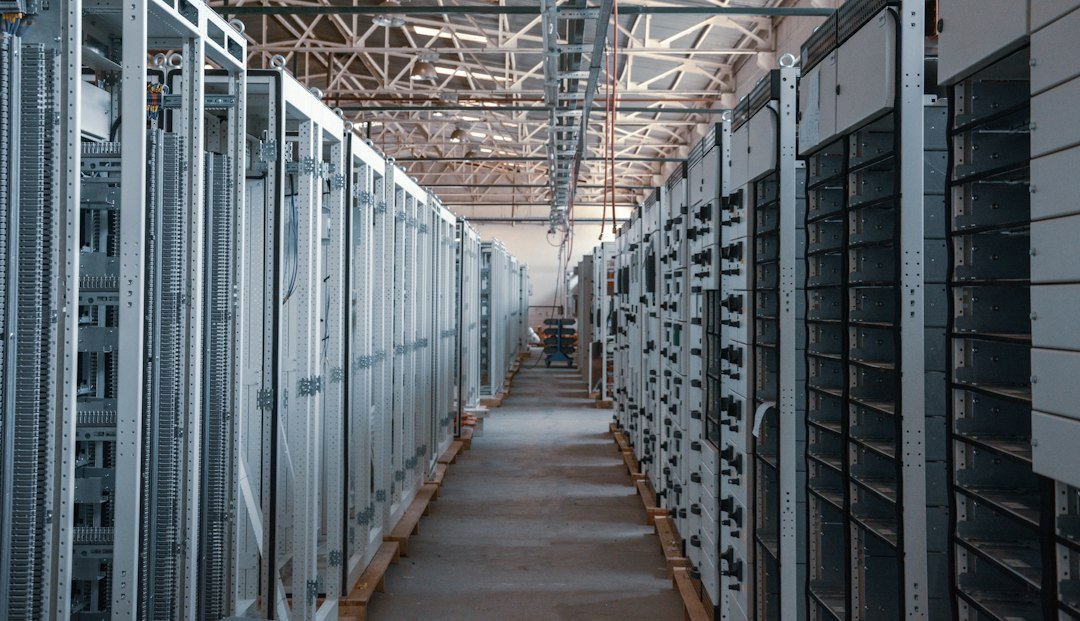
DSX POD specifies how partners can build repeatable container types and the interfaces between them. The design covers compute racks, scale-out networking, storage, management systems, cabling, rack-level power, liquid cooling, structural loading and service access.
The units are intended to be wired, piped, configured and functionally tested at a manufacturing facility. They can then be transported and connected to site infrastructure. That approach resembles modular construction in other industries: parallelize site preparation and equipment integration, reduce field work and catch faults under controlled factory conditions.
NVIDIA says the method can cut deployment at a prepared site from six months to as little as 14 days. The qualification matters. Land, permits, foundations, grid connections, substations, water or dry-cooling systems, fibre routes and backup power do not appear by shipping a container.
The hard part is the system boundary
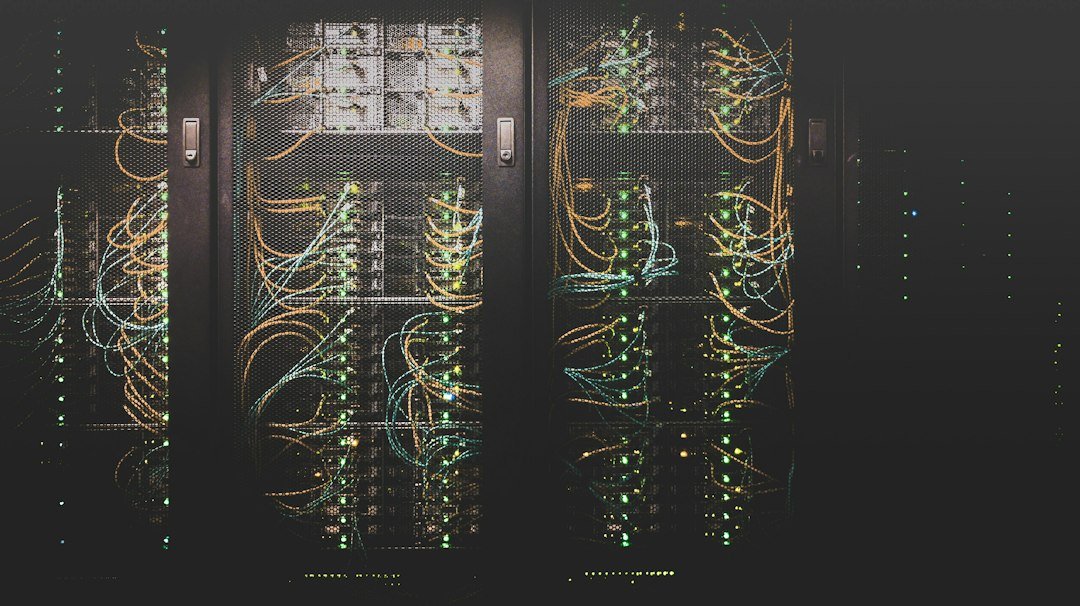
Moving integration upstream changes where risk is managed. A container must survive transport while preserving rack alignment, coolant integrity and cable performance. Interfaces between modules must remain repeatable, and operators need safe ways to isolate, service and upgrade equipment whose power density is far beyond a conventional enterprise server room.
NVIDIA’s technical overview says validation can cover firmware baselines, fabric connectivity, sensors, cooling integrity and system-level tests before shipment. That could reduce debugging after arrival, but customers will want independent evidence on commissioning time, transport damage, reliability, maintenance and total installed cost.
Standardisation can trade flexibility for speed
Factory-built designs work best when operators accept a defined architecture. Standard interfaces can improve procurement and spares, yet a highly optimized module may offer less freedom to mix accelerators, networking or cooling equipment later. The economic case will also depend on utilization: bringing a system online quickly is valuable only if workloads, power and network capacity are available.
NVIDIA frames “time to first token” as the relevant milestone—the point when hardware begins serving training or inference instead of sitting in construction. That is commercially sensible, but it is a vendor metric. Public-interest questions such as grid impact, water use, noise, tax treatment and community benefit remain outside the container.
The design also does not eliminate the need for skilled local operators. Commissioning a dense liquid-cooled cluster requires electrical, mechanical, networking and software expertise, and failures can cross those boundaries. Factory validation can narrow the problem set, but operations teams still inherit the complete system once it is connected.
What to watch in 2027
DSX POD is a commercial reference-design announcement, not evidence of an operating fleet. The useful tests will be named customer deployments, measured commissioning schedules and comparisons with conventional builds on like-for-like sites.
If those numbers hold, the approach could industrialize one layer of the data-centre buildout and shift competition toward manufacturing throughput. If site preparation still dominates the schedule, 14-day installation will be impressive but less transformative than the headline suggests.
Leave a Reply