
Latest technology reporting
Evidence-led coverage of biotechnology, AI infrastructure, energy, robotics, devices and brain–computer interfaces.
-
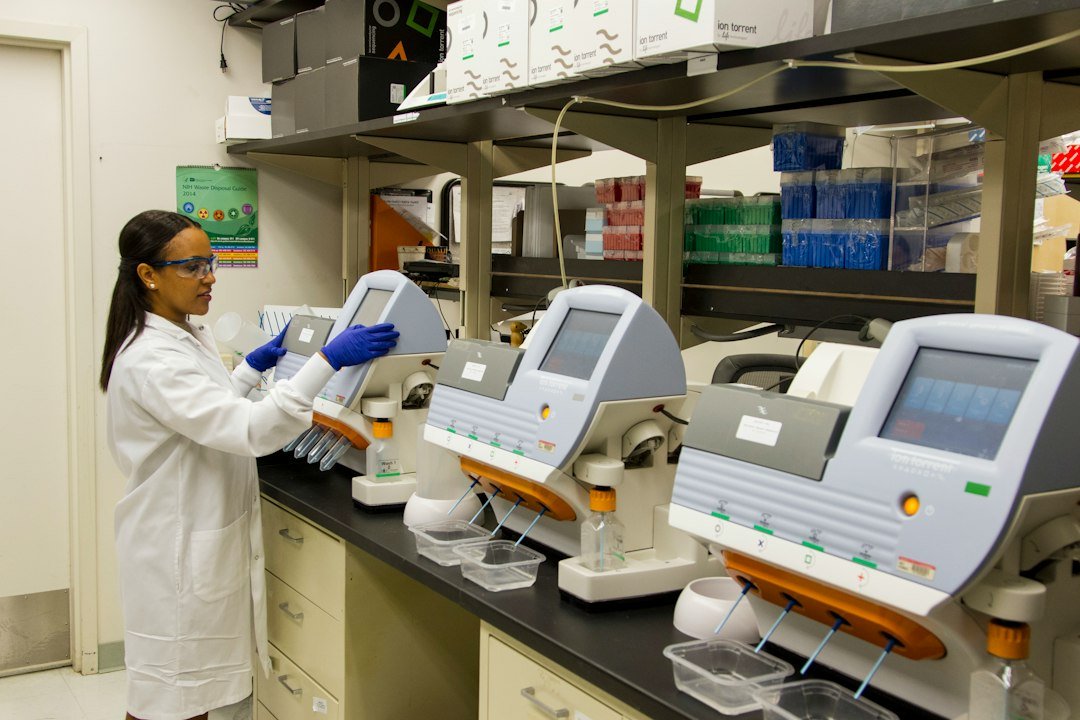
Alpha DaRT’s Brain-Cancer Trial Can Double, but the Evidence Is Still Early
The FDA has allowed the REGAIN study of intratumoural alpha emitters to expand from 10 to 20 participants. That is permission to collect more evidence, not approval to sell the treatment.
-
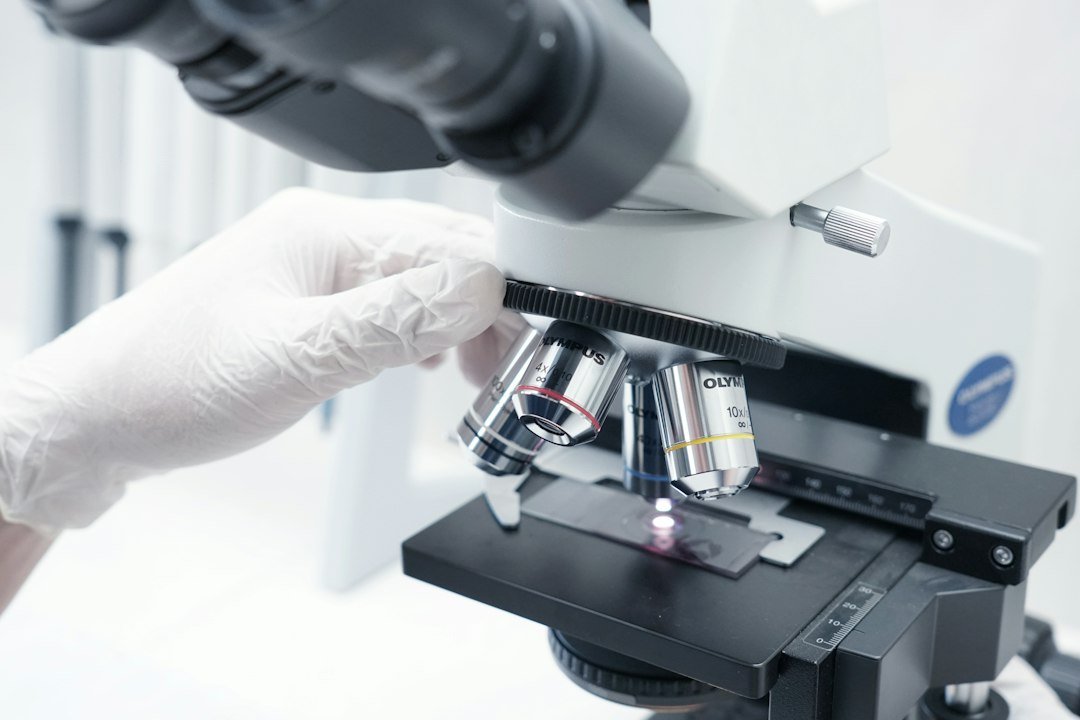
STRO-006 Reaches Its First Human Dose With Efficacy Still Ahead
The first participant has received STRO-006, an ITGB6-targeting antibody-drug conjugate. Phase I now tests safety, dose and drug behaviour before efficacy claims can carry weight.
-

Hibsago’s Approval Gives Chronic Hepatitis B Its First Antisense Drug
The FDA has approved the first antisense medicine for chronic hepatitis B. Its defined endpoint is sustained viral control in a selected group, not eradication of the virus for everyone.
-

GPU Memory Can Recover From Errors Without Making Every Error Harmless
Error correction, containment and row remapping protect different parts of GPU operation. Understanding the layers reveals why an accelerator can recover while a job still fails.
-

Google’s London Outage Shows Why a Cloud Region Is Not a Recovery Plan
A dated London cloud incident highlights the gap between redundant infrastructure and a recoverable application. Zones, data copies and traffic switching solve different problems.
-

Indoor Batteries Put Fire-Containment Claims to a Real Housing Test
A Buffalo apartment installation brings large-scale storage inside housing. Its importance lies in the combination of tested equipment, installation design and continuing oversight.
-

Earba’s New Backing Moves a 22-Hour Hydro Store Towards the Hard Engineering
New investment supports engineering and pre-construction work on Scotland’s proposed Earba hydro store. Its planned 40 GWh capacity is not operating generation.
-

DNA-SaM Brings a Filing System to the Molecular Archive
DNA-SaM combines sequence-aware encoding with hierarchical indexing. Laboratory experiments encoded 4.33 MB; vastly larger capacities remain computational or theoretical claims.
-

Long-Lived Mammals Do Not Share One Simple Anti-Ageing Blueprint
A new comparative study finds different longevity-associated patterns in small and large mammals. The result is a research map, not a human anti-ageing intervention.
-

Jemperli’s New Rectal-Cancer Approval Makes Avoiding Surgery Part of the Goal
The FDA has approved Jemperli for a biomarker-defined group with locally advanced rectal cancer. The opportunity to avoid surgery comes with continuing follow-up and important limits.
-
Private AI Infrastructure Needs Attestation Before It Releases the Keys
Confidential computing protects data while it is being used. Remote attestation checks the execution environment first, but neither feature certifies the accuracy or safety of an AI answer.
-
AI Prompt Caches Save Repeated Reading, Not the Work of Writing an Answer
Reusing a prompt’s internal state can reduce repeated processing. The benefit depends on shared prefixes, available memory and how much time the model spends generating its answer.