
Latest technology reporting
Evidence-led coverage of biotechnology, AI infrastructure, energy, robotics, devices and brain–computer interfaces.
-
Brezosiran Cuts a Huntington’s Protein Marker, Not Yet the Disease
Initial Phase 1b data show deep, durable lowering of mutant huntingtin in spinal fluid. Whether that changes symptoms or progression remains unanswered.
-
AI Data Centres Are Turning Fuel Cells Into a Grid-Queue Shortcut
On-site fuel cells can reach data-centre sites faster than new grid connections, but natural-gas dependence, manufacturing and permits limit the shortcut.
-
Dual-Target ADC Doubles Progression-Free Survival in Advanced Breast Cancer
Phase 3 results for iza-bren improved progression-free survival after prior chemotherapy, while overall-survival data remain immature and approval is not yet established.
-
Google’s 1 GW Virtual Power Plant Turns Flexible Demand Into Grid Capacity
Google and Voltus are expanding a PJM demand-flexibility agreement tenfold, aggregating homes and businesses instead of building a single physical power station.
-
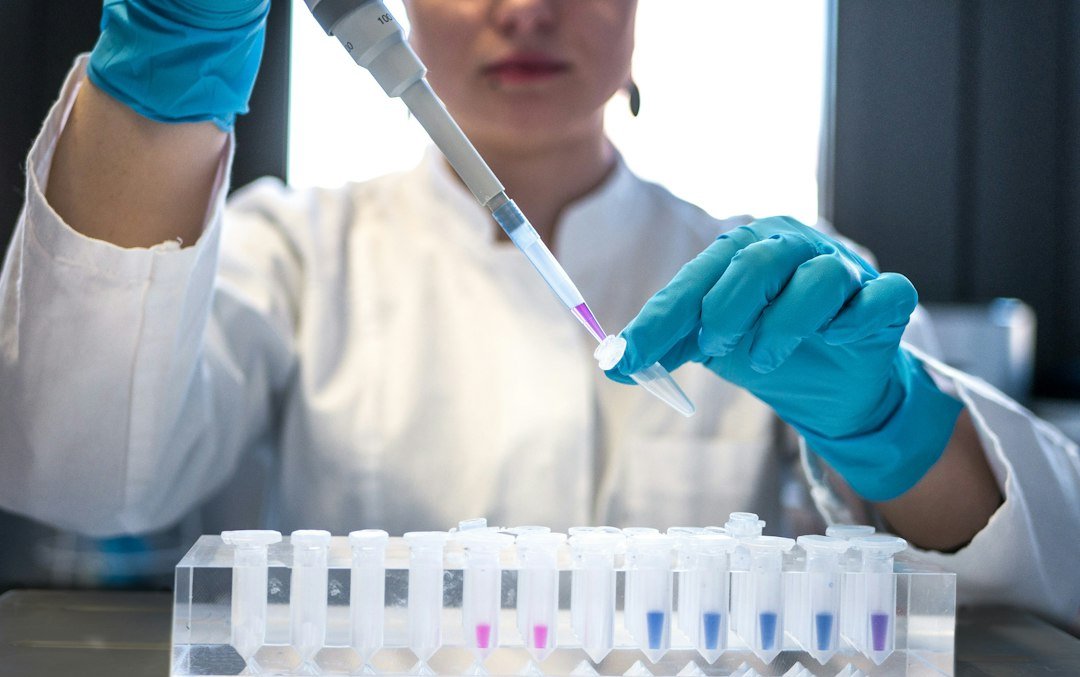
CAR-T Therapy Shows Early MS Activity Alongside a Fatal Safety Event
A 66-person Phase 1 study of zola-cel reported encouraging MRI and disability signals, but also serious neurotoxicity and one death after intensive immune suppression.
-

Cellular Recycling Failure Helps Senescent Cells Linger in Ageing Mice
A Nature Aging study links weaker chaperone-mediated autophagy to failed immune clearance of senescent cells—but the intervention remains preclinical.
-
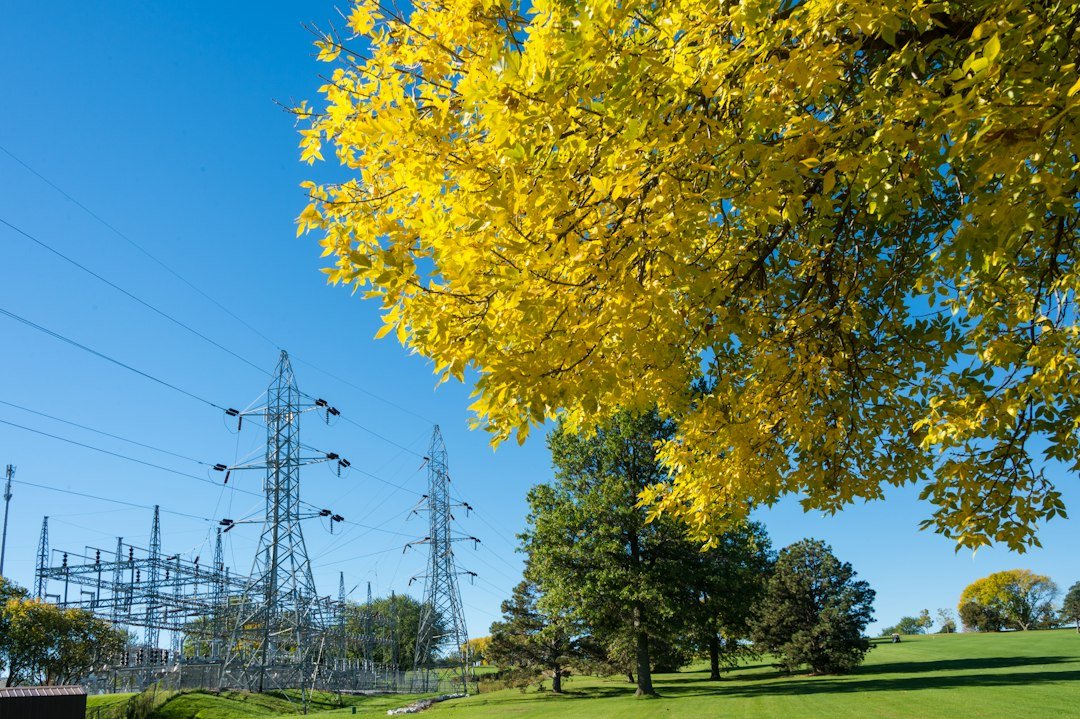
The IEA Finds Data-Centre Policy Is Becoming Power-System Policy
An International Energy Agency review finds that governments are rapidly rewriting rules for data centres, electricity connections and AI infrastructure. The report maps 134 policies across jurisdictions representing most global data-centre capacity.
-
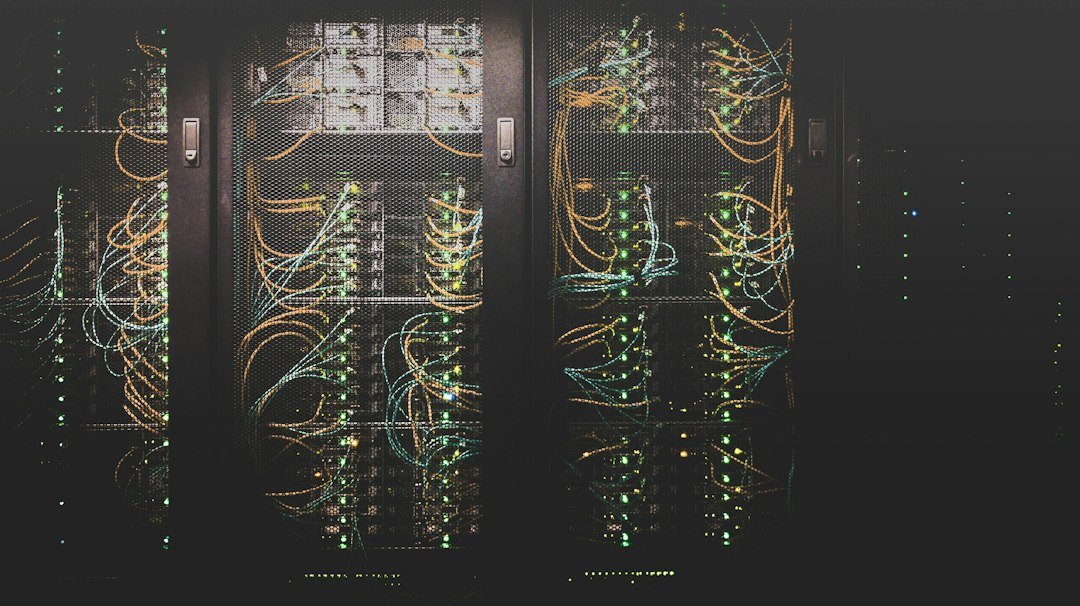
Vultr’s 20 MW Chennai AI Cluster Is a Sovereignty Plan, Not Live Capacity
Vultr plans to open a Chennai cloud region with an initial 20 MW AMD accelerator cluster and a 2027 expansion path. The announcement is a commercial capacity plan, not evidence that the hardware is already serving customers.
-
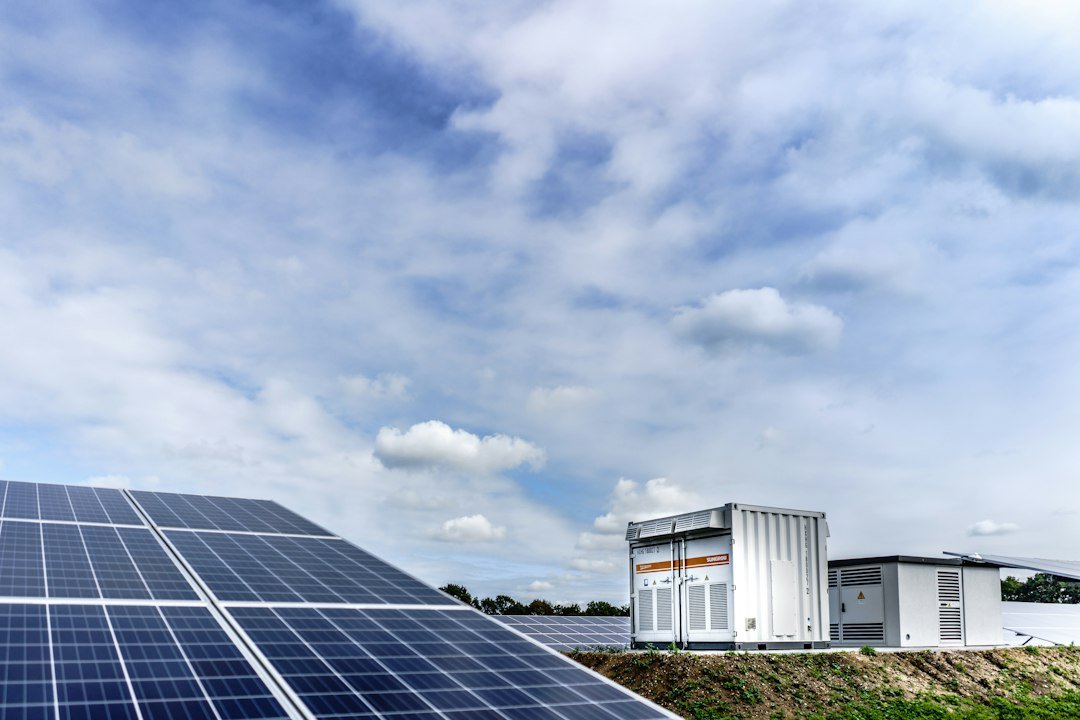
Vanadium Flow Batteries Scale Energy With Tanks, but Systems Still Set the Cost
Vanadium flow batteries can add storage duration by enlarging electrolyte tanks, separating energy capacity from power equipment. A new Nature Energy analysis explains why that modular promise has not yet translated into easy, low-cost deployment at very large scale.
-
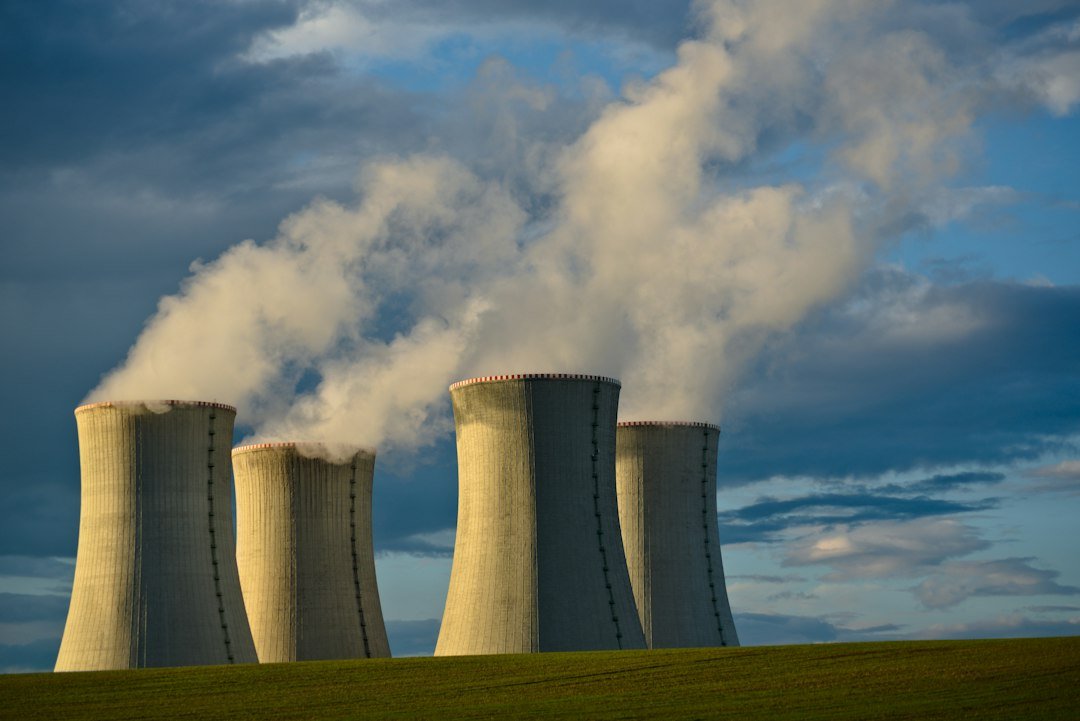
A New NRC Rule Reuses Government Reactor Data Without Approving a Reactor
The US Nuclear Regulatory Commission has finalised a rule allowing commercial applicants to submit analyses and test data from certain government reactor projects. It may reduce duplicate work, but every commercial application still faces NRC review.
-

AI-Designed Protein Shells Carry RNA, but the Evidence Remains Preclinical
Researchers have built synthetic protein assemblies that package and transfer RNA, including a CRISPR cargo tested in patient-derived cells and pig muscle cells. The platform is inventive, but it has not been administered to people.
-
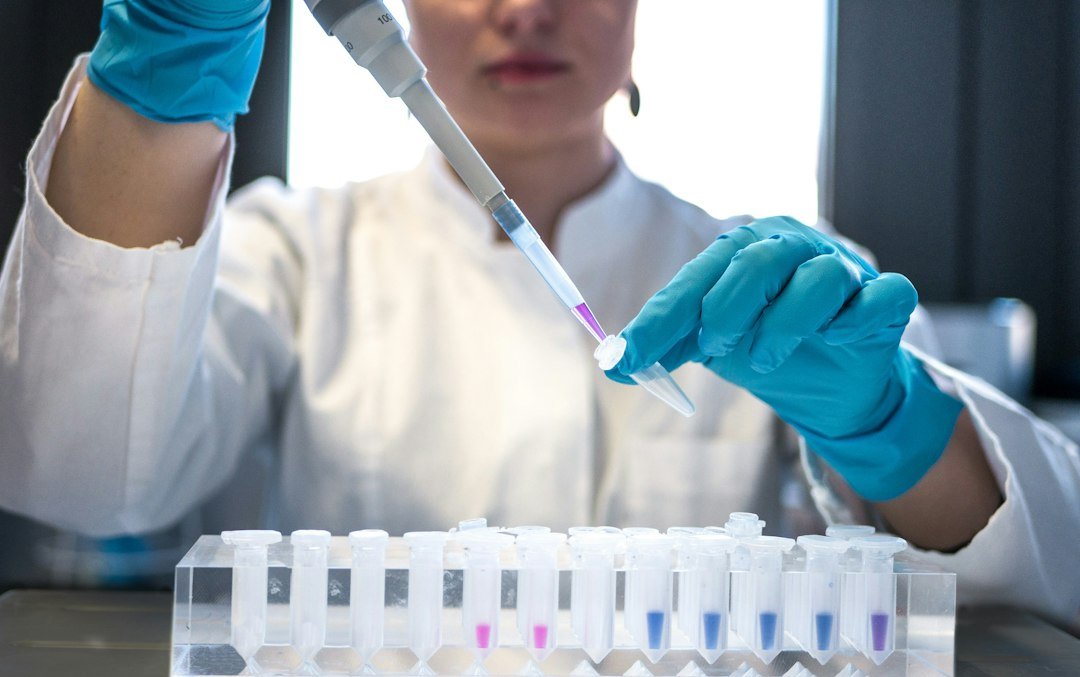
Two Embryonic Lineages Reframe How Scientists Build Hindbrain Neurons
Lineage tracing in mouse embryos and experiments with human pluripotent stem cells suggest that forebrain and hindbrain neurons arise through parallel developmental routes. The work may sharpen laboratory models, but it is not a stem-cell treatment.