
Latest technology reporting
Evidence-led coverage of biotechnology, AI infrastructure, energy, robotics, devices and brain–computer interfaces.
-

NuScale vs Oklo: Two Very Different Routes to Small Nuclear Power
NuScale is pursuing a regulator-approved light-water module for multi-reactor plants. Oklo is developing smaller sodium-cooled powerhouses that it plans to own and operate. Here is what each company has actually achieved—and what remains unproven.
-

Can Anti-Gravity Ever Be Real? What Physics Actually Allows
Antimatter falls down, magnetic fields can levitate living tissue, and astronauts float while still under Earth’s pull. Here is where anti-gravity science ends and imitation begins.
-

Qwen 3.8 vs gpt-oss vs Llama 4: Which Open-Weight AI Can You Actually Run?
Downloadable AI models promise more privacy and control, but Qwen 3.8, OpenAI’s gpt-oss and Meta’s Llama 4 differ sharply in hardware, media support, licensing and usable context.
-
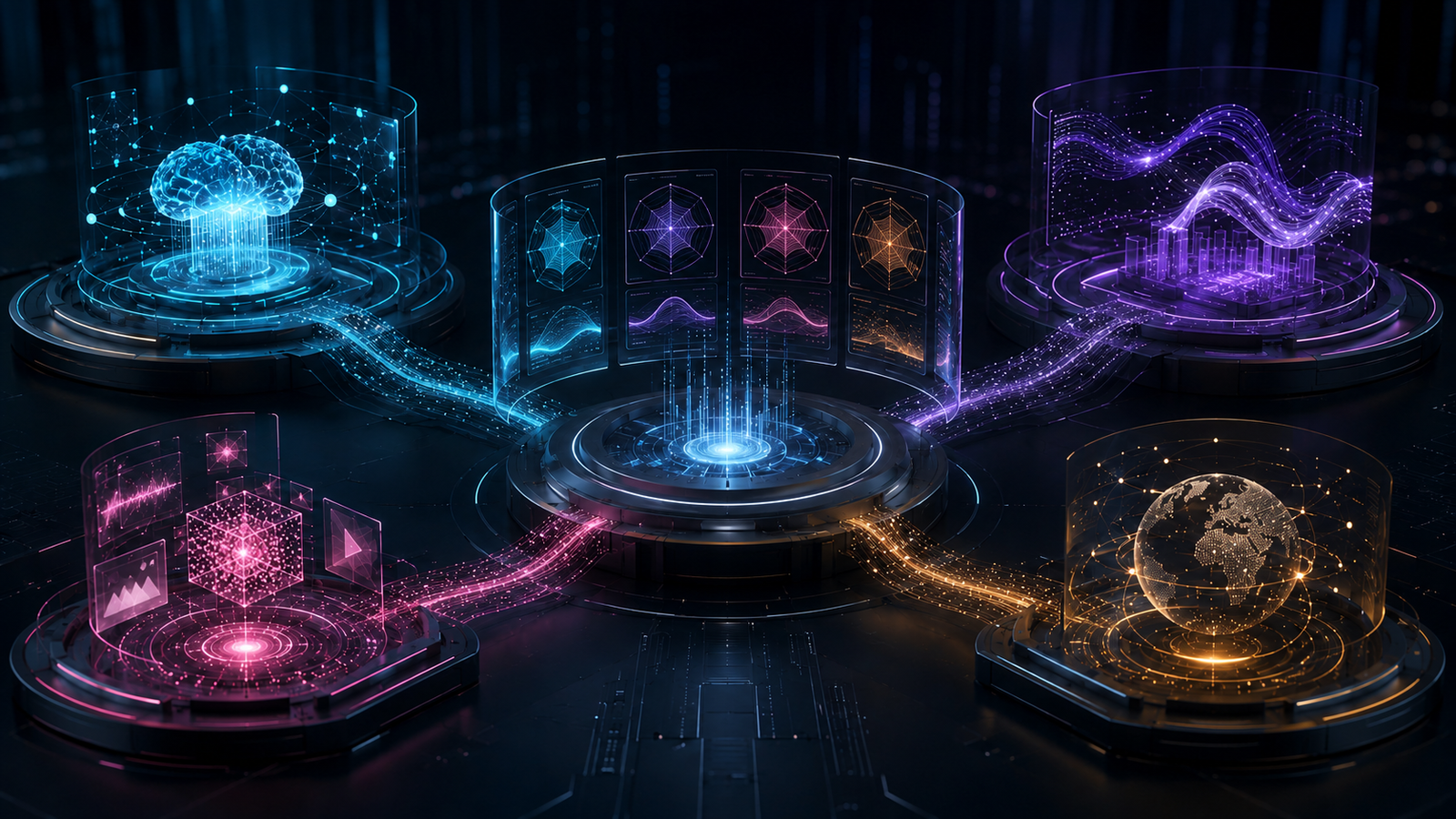
GPT-5.6 vs Claude Opus 5 vs Gemini 3.7 Flash vs Grok 4.6: Which AI Fits Which Job?
The leading AI models now differ as much in price, speed, tools and media support as they do in raw reasoning. Here is an evidence-led comparison of four major API models—and why there is no universal winner.
-

CRISPR Nanoparticles Edited Human Blood Stem Cells Inside Mice
Researchers used CD34-targeted lipid nanoparticles to edit human blood-forming stem cells inside humanized mice. The approach reactivated fetal haemoglobin and partly restored neutrophil development—but it remains early, intrafemoral, preclinical research.
-

Anthropic’s Reported $45 Billion Nscale Lease: What 460MW of AI Compute Really Means
Anthropic has reportedly agreed to a six-year, $45 billion compute lease at Nscale’s Monarch campus in West Virginia. Here is what the reported 460MW figure means—and what remains unconfirmed.
-

Apple’s EU App Rules Are Changing Again: What the New 5% Commission Really Means
From October 1, Apple will replace its EU per-install technology fee with a 5% commission on covered digital sales in apps distributed outside the App Store. Developers gain more payment and distribution options—but the changes do not automatically lower prices or extend to Australian users.
-
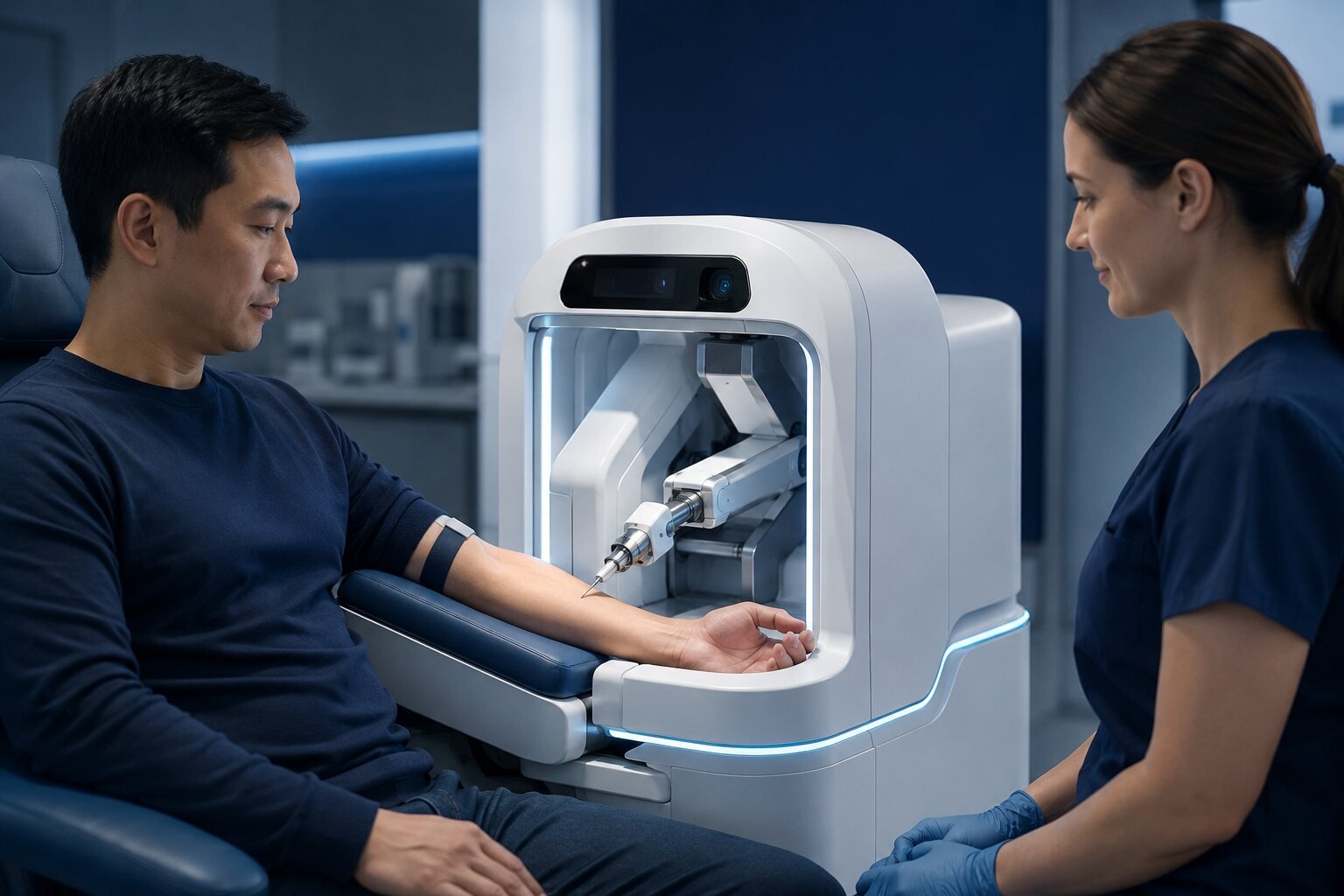
A Robot Can Now Draw Blood—What the FDA Actually Authorized
The FDA has authorized Aletta, a robotic system that can find a vein and complete a routine blood draw. Its trial results are encouraging, but trained human oversight remains essential.
-

Why Lidl’s Owner Is Spending €5.6 Billion on a Giant AI Data Centre
The company behind Lidl and Kaufland plans a 240-megawatt data centre in northern Germany, with a possible path to one gigawatt. The move shows how AI infrastructure is becoming a strategic asset far beyond traditional technology companies.
-

FDA Approves a Pill That Targets Pancreatic Cancer’s RAS Engine
Daraxonrasib nearly doubled median survival versus chemotherapy in a 500-person Phase 3 trial. Its FDA approval opens a new way to attack one of cancer’s hardest targets—but it is not a cure.
-

UK Fusion Experiment Sets a Stable Plasma-Pressure Record
The UK’s MAST Upgrade achieved its highest stable plasma pressure while suppressing damaging edge bursts—important fusion engineering progress, but not net electricity.
-

Why Robot Hands Are Harder to Build Than Robot Brains
AI can recognise a cup in an image. A robot hand must approach it, feel contact, adjust grip force and keep it from slipping—without crushing it. That physical intelligence remains one of humanoid robotics’ hardest problems.